
Beautiful Plants For Your Interior
Beautiful Plants For Your Interior
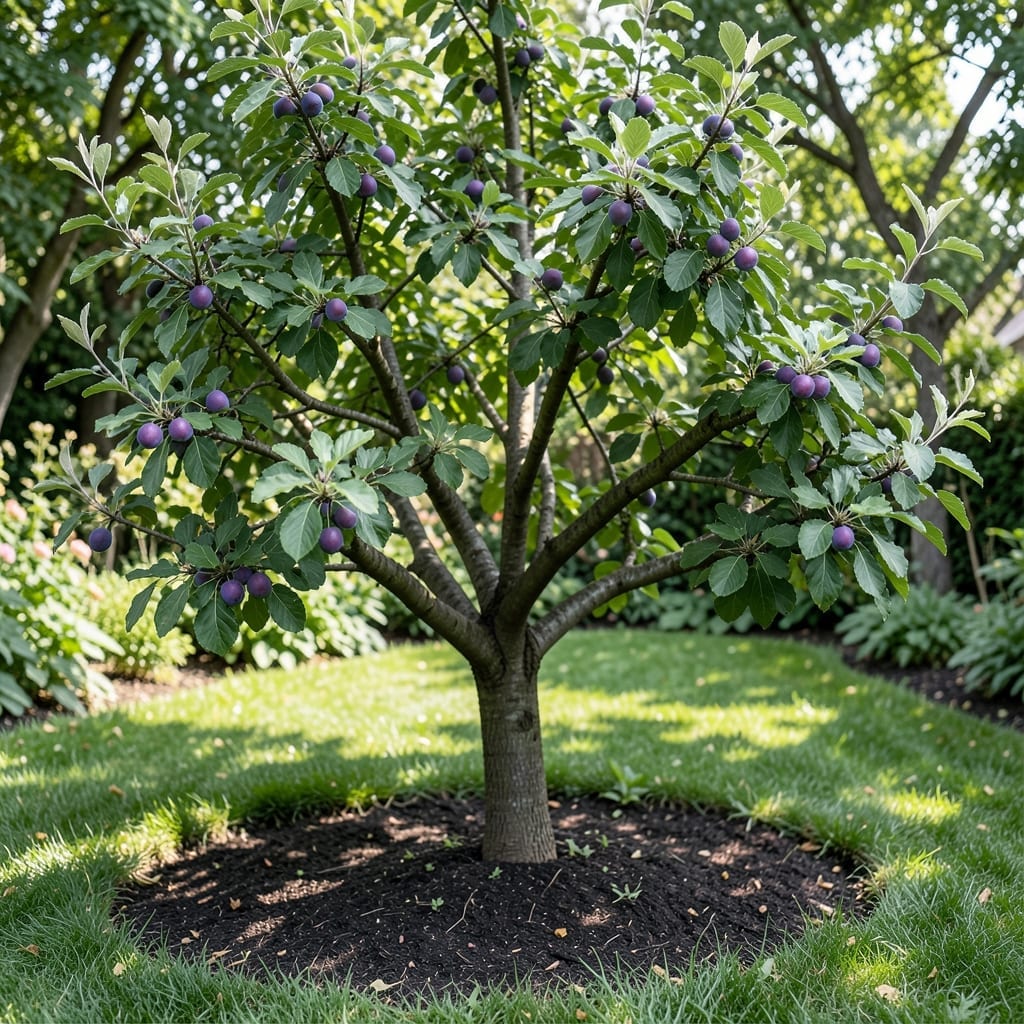
There’s something magical about watching a 🌳 Plum Tree transform from a sapling into a full mature beauty. It becomes more than just a plant—it’s a living centerpiece for your garden.
But reaching that stage takes proper care and patience. Without the right approach, even the hardiest trees can struggle to thrive.
I’ll walk you through everything you need to know to nurture your Plum Tree from planting to its most productive years. Let’s get started.
A full grown plum tree is a stunning addition to any landscape, offering both beauty and bountiful harvests. These trees typically reach 15-25 feet in height with a similar spread.
Depending on the variety, a mature plum tree can produce hundreds of fruits annually. Their lifespan often spans 20-30 years with proper care and ideal conditions.
| Characteristic | Specification |
|---|---|
| Height Range | 15-25 ft |
| Spread | 12-20 ft |
| Lifespan | 20-30 years |
| Fruit Yield | 100-300 plums/year |
| USDA Zones | 5-9 |
| Sunlight Needs | 6+ hours daily |
The standard varieties grow tallest, while dwarf types stay compact at 8-12 feet. This makes them perfect for smaller gardens or container growing.
Plum trees blossom in early spring with beautiful white or pink flowers, followed by fruit that ripens in summer to early fall. The exact timing depends on your climate.
I’ve found that well-drained soil and full sun exposure are critical for maximizing both growth and fruit production. Without these, even mature trees may underperform.
A healthy full grown plum tree develops a strong root system that helps it withstand drought and pests. Regular pruning also keeps the tree productive and disease-free. ✂️
One of the joys of growing plum trees is watching them evolve through the seasons. From spring blooms to summer fruit, they offer year-round interest in the garden.
For the best results, plant in loamy soil with a pH of 6.0-7.0. This ensures optimal nutrient uptake and supports vigorous growth.
Remember, a mature plum tree can take 3-5 years to bear fruit from planting. Patience and consistent care are key to enjoying its full potential. 🌳
Keeping a full grown plum tree thriving requires consistent care. I’ve learned that proper watering is the foundation—these trees need deep soaks weekly, especially during dry spells.
In the summer months, increase watering to twice a week to support fruit development. Always water in the early morning to reduce evaporation and prevent fungal issues.
Pruning is essential for airflow and sunlight penetration. I always use clean, sharp tools and remove any crossing branches or suckers at the base. This keeps the tree healthy and productive. ✂️
A balanced fertilizer applied in early spring gives your plum tree the nutrients it needs. I recommend 1 lb per 100 sqft for established trees, reducing to light feeds in summer.
Don’t forget about mulching—a 2-3 inch layer of organic mulch helps retain moisture and keeps roots cool. Just be sure to keep it 6 inches away from the trunk to prevent rot.
Finally, keep an eye out for common pests like aphids or diseases such as brown rot. Early intervention with organic sprays or proper sanitation can save your harvest.
With consistent care, your full grown plum tree will reward you with abundant, delicious fruit for decades. 🌳