
Beautiful Plants For Your Interior
Beautiful Plants For Your Interior
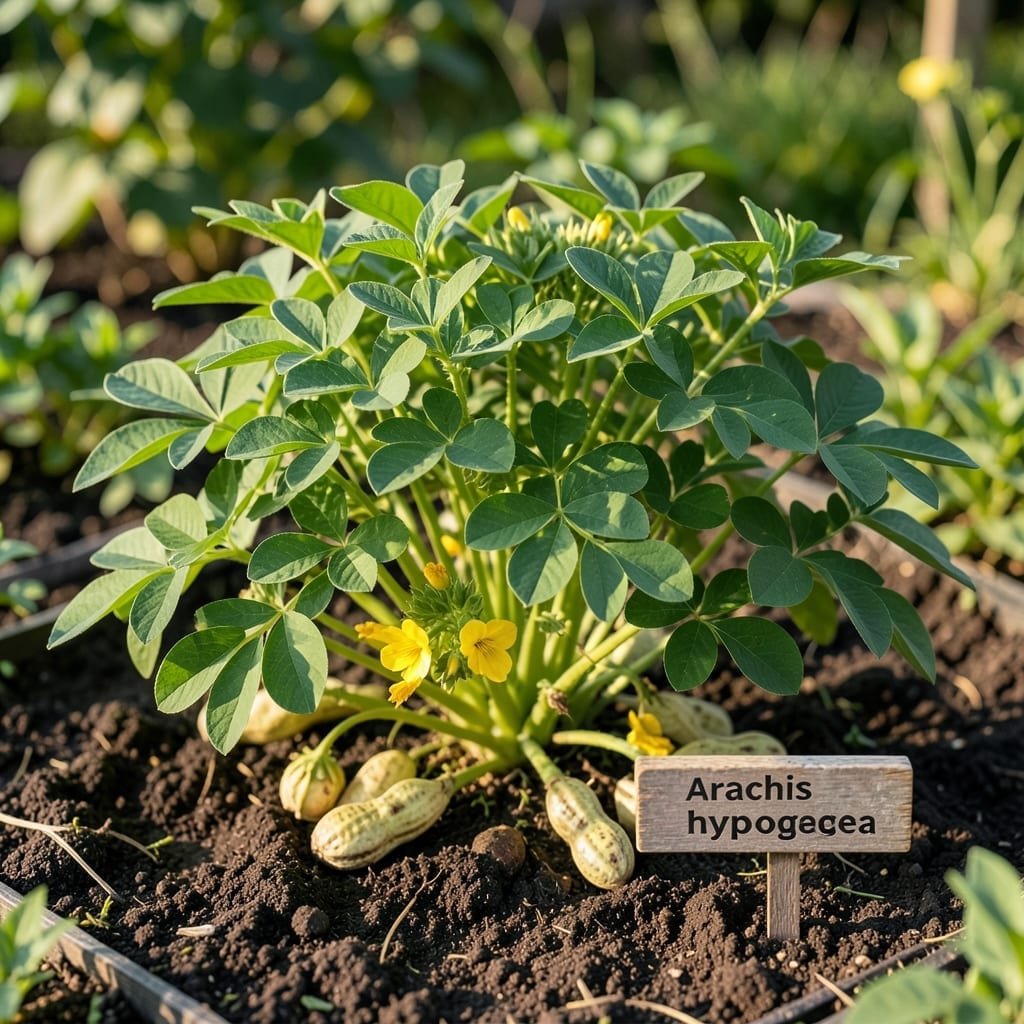
There’s something magical about watching a 🥜 Peanut transform from a fragile seedling to a thriving plant. In just 90-150 days, you can go from planting to harvest in Zone 6a.
I’ve learned that timing and care make all the difference. From April planting to September harvests, each stage brings unique changes to the plant’s structure.
Discover the key milestones that signal your Peanut is ready for picking. This guide will help you recognize the perfect moment to harvest your crop.
Watching your peanut plant develop from a tiny seedling to a full-grown pod producer is a rewarding journey. The process typically takes 90 to 150 days, depending on the variety and growing conditions.
I’ve found that understanding each growth stage is key to ensuring a healthy, productive plant. From germination to maturity, the peanut plant undergoes fascinating transformations, including leaf development and peg formation, which are unique to this legume. ☀️
| Stage | Duration | Key Characteristics |
|---|---|---|
| Germination | 10-14 days | Sprouts emerge from soil |
| Seedling | 2-3 weeks | Leaves form, stem elongates |
| Vegetative | 4-6 weeks | Bushy growth, yellow flowers appear |
| Pegging | 6-8 weeks | Pegs form, enter soil for pods |
| Pod Development | 8-12 weeks | Pods swell underground |
| Maturity | 12-16 weeks | Leaves yellow, pods fully formed |
The germination stage begins when the soil temperature reaches 65°F or higher. This is critical because peanuts won’t sprout in colder soil. I always check the soil with a thermometer to ensure it’s warm enough before planting.
During the vegetative stage, the plant focuses on leaf and stem growth. You’ll notice the distinctive pinnate leaves forming pairs along the stem. This is when the plant builds the energy it needs for flowering and pod production.
The flowering stage is particularly fascinating. Peanuts produce bright yellow flowers that only last a day, but they’re essential for peg development. These pegs, or stems, grow downward into the soil where the pods will form.
As the pegs enter the soil, they begin developing into peanut pods. This stage requires loose, well-draining soil so the pegs can easily penetrate. I recommend keeping the soil slightly moist but not waterlogged to avoid rot.
In the final maturity stage, the plant’s leaves turn yellow, and the pods reach their full size. The inner shells will show visible vein patterns, a clear sign that the peanuts are ready for harvest. This usually occurs around 120 days after planting.
One thing I’ve learned is that peanut plants are sensitive to overwatering. Too much moisture can lead to fungal diseases, so it’s important to strike a balance. A drip irrigation system works well to keep the soil consistently moist without oversaturating it.
By the time your peanut plant reaches its full growth, it will be about 1 to 2 feet tall with a bushy appearance. The underground pods are the real treasure, and knowing the stages helps you time the harvest perfectly for the best yield. 🌿
Not all peanut plants grow the same. I’ve tested several varieties and found their mature heights and harvest timelines can vary significantly. Most reach 12 to 18 inches tall, but their days to maturity differ.
Choosing the right variety for your climate zone is crucial. Virginia peanuts tend to be taller, while Spanish peanuts mature faster. Understanding these differences helps you plan your garden effectively. ☀️
| Variety | Mature Height | Days to Harvest | Notes |
|---|---|---|---|
| Virginia | 18-24 inches | 130 days | Large pods, great for roasting |
| Spanish | 12-18 inches | 90-110 days | Early maturing, smaller pods |
| Runner | 12-18 inches | 120-130 days | Consistent yield, disease-resistant |
| Valencia | 12-20 inches | 100-110 days | Sweet flavor, 3-4 seeds per pod |
In my experience, Runner peanuts are the most reliable for beginners. They produce uniform pods and handle drought conditions better than other varieties. Their 120-day maturity fits well within most growing seasons.
Spanish peanuts are perfect for gardeners with shorter growing seasons. They mature in as little as 90 days and have a compact growth habit, making them ideal for small gardens or containers.
Virginia peanuts require more space and time but reward you with larger pods. I recommend these if you have a longer growing season and want peanuts for roasting or boiling. Their vines can spread up to 24 inches wide.
For those in warmer climates, Valencia peanuts offer a unique sweet flavor. They typically reach 12 to 20 inches in height and are ready to harvest in about 100 days. 🌿