
Beautiful Plants For Your Interior
Beautiful Plants For Your Interior
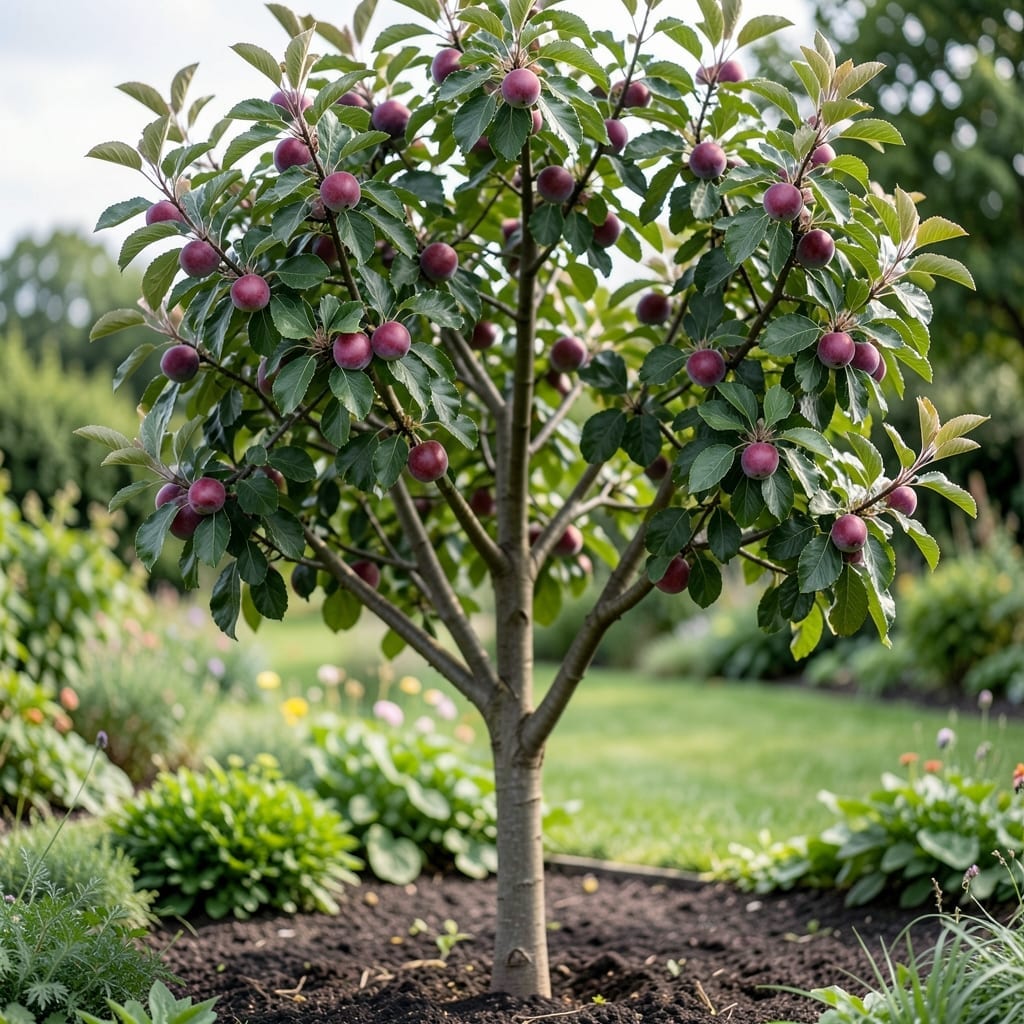
There’s something special about watching a Methley Plum Tree 🌳 grow from a sapling into a productive part of your landscape. Its sweet, juicy fruit makes it a gardener’s delight, but the real magic happens when you understand its full potential.
What many don’t realize is that proper care from the start makes all the difference. A thriving Methley Plum Tree can transform your garden and your harvests for years to come.
I’ve seen firsthand how the right knowledge turns good intentions into amazing results. Whether you’re dreaming of fresh plums or homemade preserves, the journey begins with understanding its growth.
Discover how to nurture your tree through each stage and enjoy the rewards of your effort when it reaches full maturity.
When I first planted my Methley plum tree, I was amazed by how quickly it grew. A full grown Methley plum tree typically reaches 15-20 feet tall with a similar spread, making it perfect for smaller orchards or backyard gardens.
This semi-dwarf variety thrives in USDA zones 5-9 and develops a strong root system that anchors it well in most soil types. Its moderate growth rate means you’ll see significant progress each year without it becoming unmanageable.
| Characteristic | Specification |
|---|---|
| Mature Height | 15-20 ft |
| Mature Width | 12-15 ft |
| Growth Rate | Moderate (1-2 ft/year) |
| USDA Zones | 5-9 |
| Sun Needs | Full Sun (6+ hours) |
| Root System | Fibrous, non-invasive |
The Methley plum has a beautiful, rounded canopy that provides dappled shade in summer. I love how its branches develop a graceful, slightly weeping habit as it matures, creating an elegant focal point in my garden.
In spring, you’ll be treated to fragrant white blossoms that attract pollinators before the purple-red fruit appears. The tree’s seasonal changes are dramatic, with vibrant foliage in fall and bare, architectural branches in winter.
For proper spacing, I recommend planting 12-15 feet apart from other trees. This gives the canopy room to develop while allowing for good air circulation, which helps prevent fungal diseases common in fruit trees.
The root system is surprisingly non-invasive for a fruit tree, making it safe to plant near structures. However, I always advise keeping it at least 8 feet from foundations or driveways to prevent any potential issues.
One of the things I appreciate most about the Methley plum is its adaptability. It tolerates a range of soil types, though it prefers well-draining loam. In my experience, amending heavy clay with compost before planting gives it the best start.
As the tree matures, its bark develops an attractive, rough texture that adds winter interest. The trunk diameter can reach 8-12 inches at full maturity, creating a sturdy base that can support heavy fruit loads.
Remember that pruning plays a crucial role in shaping your Methley plum. I find that annual winter pruning helps maintain its size and encourages better fruit production by opening up the canopy to sunlight.
With proper care, your full grown Methley plum tree can live and produce fruit for 20-30 years. Its consistent yields and delicious fruit make it a rewarding addition to any home orchard 🌳
I’ve found that a Methley plum tree thrives with consistent care, especially in its first few years. Proper watering and pruning are key to ensuring strong growth and a bountiful harvest. Without these, the tree can struggle, even in ideal conditions.
This tree loves full sun and well-draining soil, but it’s the seasonal attention that truly makes the difference. From spring feeding to winter dormancy, each stage demands a tailored approach to keep it healthy and productive.
I always stress the importance of timing when it comes to fertilizing. A light feed in early spring supports new growth, while avoiding fertilization in fall prevents tender growth that could be damaged by frost.
For pruning, I recommend using clean, sharp tools to make precise cuts. This not only shapes the tree but also helps prevent disease. Focus on removing crossing branches and any wood that looks diseased or damaged.
Watering is another area where consistency matters. A deep soak once a week is better than frequent shallow watering. This encourages the roots to grow deep, making the tree more drought-resistant over time.
Finally, keep an eye out for common issues like brown rot or leaf curl. Early detection and treatment can save your tree and ensure a healthy crop of sweet, juicy plums every season. ✂️