
Beautiful Plants For Your Interior
Beautiful Plants For Your Interior
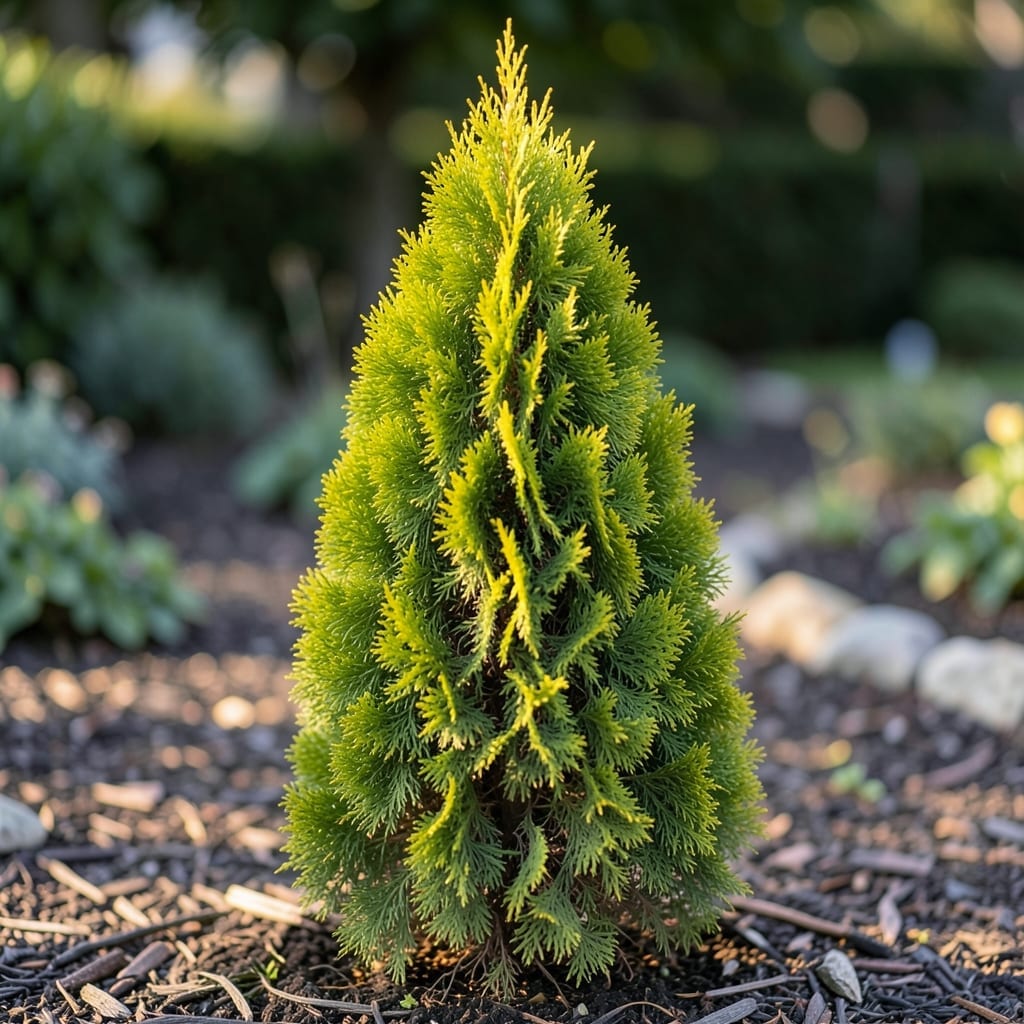
There’s something magical about a full grown 🌳 Lemon Cypress—its vibrant foliage and citrusy aroma can transform any garden into a lively retreat. Yet, many gardeners underestimate what it takes to keep this evergreen thriving.
I’ve learned that with the right care, this low-maintenance shrub can flourish for years. Whether you’re planting in zone 7-10 or just admiring its beauty, understanding its needs is the first step.
Discover how to nurture your Lemon Cypress to its full potential with simple, effective strategies. Let’s get started.
A full grown lemon cypress is a stunning evergreen shrub that can reach 8 to 20 feet tall with a narrow, columnar shape. Its bright yellow-green foliage and citrus fragrance make it a standout in any garden. This plant thrives in USDA zones 7-10, where it enjoys warm climates and mild winters.
To keep your lemon cypress healthy, it needs full sun exposure for at least 6 hours daily. Well-draining soil is essential to prevent root rot, and it prefers slightly acidic to neutral pH levels. Proper placement and soil preparation are key to its success.
| Requirement | Specification |
|---|---|
| Mature Height | 8-20 ft |
| USDA Zones | 7-10 |
| Sunlight Needs | 6+ hours daily |
| Soil Type | Well-draining, acidic to neutral |
| Watering Frequency | Weekly, deep soak |
Watering is another critical factor. A full grown lemon cypress needs weekly deep watering during its first growing season. Once established, it becomes more drought-tolerant but still benefits from consistent moisture, especially in hot climates.
I recommend watering in the early morning to reduce evaporation and prevent fungal issues. Mulching around the base helps retain soil moisture and keeps roots cool during summer heat. This simple step can make a big difference in its overall health.
Fertilizing your lemon cypress is straightforward. Use a balanced 10-10-10 fertilizer every 4-6 weeks during the growing season. Start in early spring and continue through fall, but skip winter feeding as the plant enters dormancy.
The amount of fertilizer depends on the tree’s size. A good rule of thumb is 1 tablespoon per foot of height. Always water deeply after applying fertilizer to help it reach the root zone and prevent burning the foliage.
This shrub is relatively low-maintenance, but it does benefit from occasional pruning. Light trimming helps maintain its columnar shape and encourages dense growth. Avoid heavy pruning, as it can stress the plant and lead to brown tips.
One thing I love about the lemon cypress is its versatility. It works beautifully as a privacy screen, hedge, or standalone specimen. Its upright growth habit makes it ideal for narrow spaces where other plants might struggle.
If you live in an area with strong winds, consider planting your lemon cypress in a sheltered location. This will protect its delicate foliage and help it maintain its vibrant color. With the right care, your full grown lemon cypress will thrive for years to come.
Remember, the key to success is consistency in watering, fertilizing, and pruning. A little attention goes a long way in keeping this evergreen looking its best.
Pruning your full grown lemon cypress keeps it looking sharp and healthy. I always recommend light, frequent trimming over heavy cuts to maintain its natural columnar shape without causing stress to the plant.
The best time to prune is in early spring before new growth starts. This gives your cypress a clean foundation for the growing season. Avoid pruning in late summer or fall, as fresh cuts may not harden off before cold weather.
When shaping, focus on the outer foliage only. The inner branches of a lemon cypress are often sparse and won’t fill in if cut back hard. I like to step back frequently to check my progress from different angles.
A good rule is to never remove more than 20% of the foliage in a single pruning session. This prevents shock and allows the plant to recover quickly. Always make cuts just above a leaf node to encourage new growth.
For tools, I swear by bypass pruners for smaller branches and loping shears for thicker ones. Sterilize your tools between cuts with rubbing alcohol to prevent disease spread. This small step makes a big difference in plant health.
After pruning, give your cypress a deep watering and consider a light application of fertilizer. This helps the plant recover and supports new growth. With these simple techniques, your full grown lemon cypress will stay vibrant and well-shaped for years. ✂️