
Beautiful Plants For Your Interior
Beautiful Plants For Your Interior
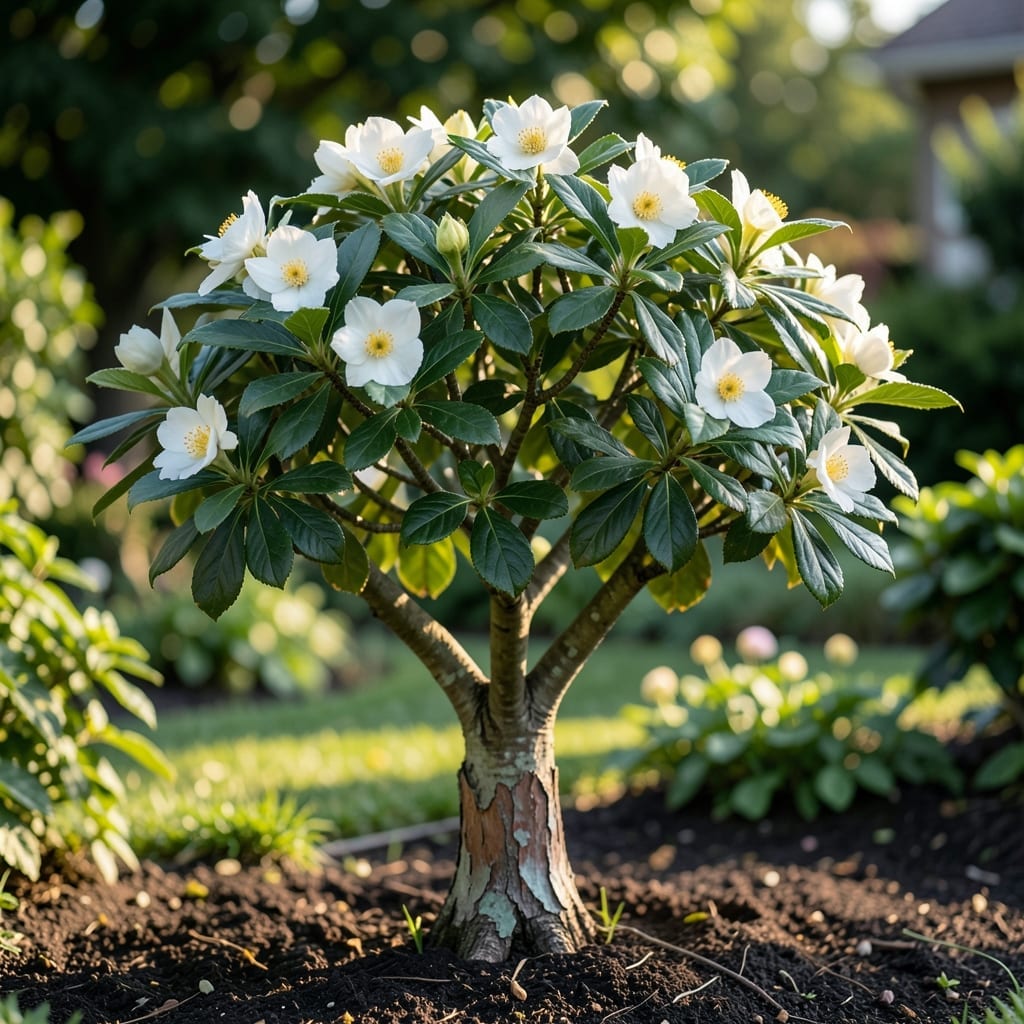
There’s something magical about watching a Japanese Stewartia 🌳 transform from a sapling into a showstopping centerpiece. This elegant tree captivates with its exotic bark, delicate summer blooms, and fiery fall foliage.
But reaching its 20-40 ft mature height requires more than just time—it demands the right care. Many gardeners unknowingly stunt their tree’s growth with simple mistakes.
Discover how to nurture your Japanese Stewartia into its full, breathtaking potential. The secrets might surprise you.
A full grown Japanese Stewartia is a true garden jewel, reaching 20-40 feet tall with a similar spread. Its most striking feature is the peeling bark, revealing patches of smooth, cinnamon-brown and creamy-white underneath.
In early summer, the tree produces cup-shaped white flowers with yellow stamens, adding a delicate contrast to its dense foliage. As autumn arrives, the leaves transform into a spectacular display of red, orange, and purple hues.
| Feature | Description |
|---|---|
| Mature Height | 20-40 ft |
| Bark | Peeling, multi-colored |
| Flowers | White, summer blooms |
| Fall Foliage | Red, orange, purple |
| USDA Zones | 5-8 |
The tree’s pyramidal shape in youth gradually matures into a rounded crown, offering excellent shade and structure. Its slow growth rate means it takes 10-15 years to reach full size, making it ideal for long-term landscaping.
I’ve found that planting it in well-draining, acidic soil helps maintain its vibrant bark color. Avoid heavy clay, as it can stunt growth and lead to root rot issues.
The Japanese Stewartia thrives in partial shade to full sun, but I recommend afternoon shade in hotter climates to prevent leaf scorch. This tree is low-maintenance once established, but consistent moisture is key.
One of my favorite traits is its four-season interest. Even in winter, the exfoliating bark provides visual appeal when other plants lie dormant. It’s a true year-round performer in the garden.
For best results, I suggest planting it as a specimen tree where its unique features can shine. Pair it with low-growing shrubs or perennials to highlight its elegant form.
Remember that younger trees may take a few years to develop their signature bark. Patience is rewarded with a stunning focal point that only gets better with age.
This tree also attracts pollinators like bees and butterflies, adding ecological value to its ornamental benefits. It’s a win-win for any garden 🌳
Once your Japanese Stewartia reaches maturity, it becomes surprisingly low-maintenance. However, proper care ensures it stays healthy and vibrant. I focus on consistent moisture and seasonal pruning to keep mine thriving.
The tree prefers well-draining, acidic soil with a pH between 5.0-6.5. I test my soil annually and amend with compost or peat moss if needed to maintain the right conditions.
🌳 Pro Care Tip:
A 2-3 inch mulch layer helps retain moisture and protects roots. Use organic mulch like bark chips for best results.
Watering is crucial, especially during dry spells. I give my tree a deep soak weekly, ensuring the water reaches the root zone. In extreme heat, I increase this to twice weekly to prevent stress.
Pruning should be minimal—just remove dead or crossing branches in late winter. Avoid heavy pruning, as it can reduce flowering and disrupt the tree’s natural shape. I use clean, sharp tools to prevent disease.
For fertilization, a balanced, slow-release product in early spring works best. I apply 1 lb per 100 sqft and water thoroughly afterward. Avoid late-season feeding, which can encourage tender growth before winter.
Pest issues are rare, but I keep an eye out for aphids or scale insects. A strong blast of water or neem oil spray usually handles minor infestations. Regular inspections help catch problems early.
Finally, protect your tree from strong winds, which can damage its delicate branches. Planting it in a sheltered location or using windbreaks can make a big difference in its long-term health 🌳