
Beautiful Plants For Your Interior
Beautiful Plants For Your Interior
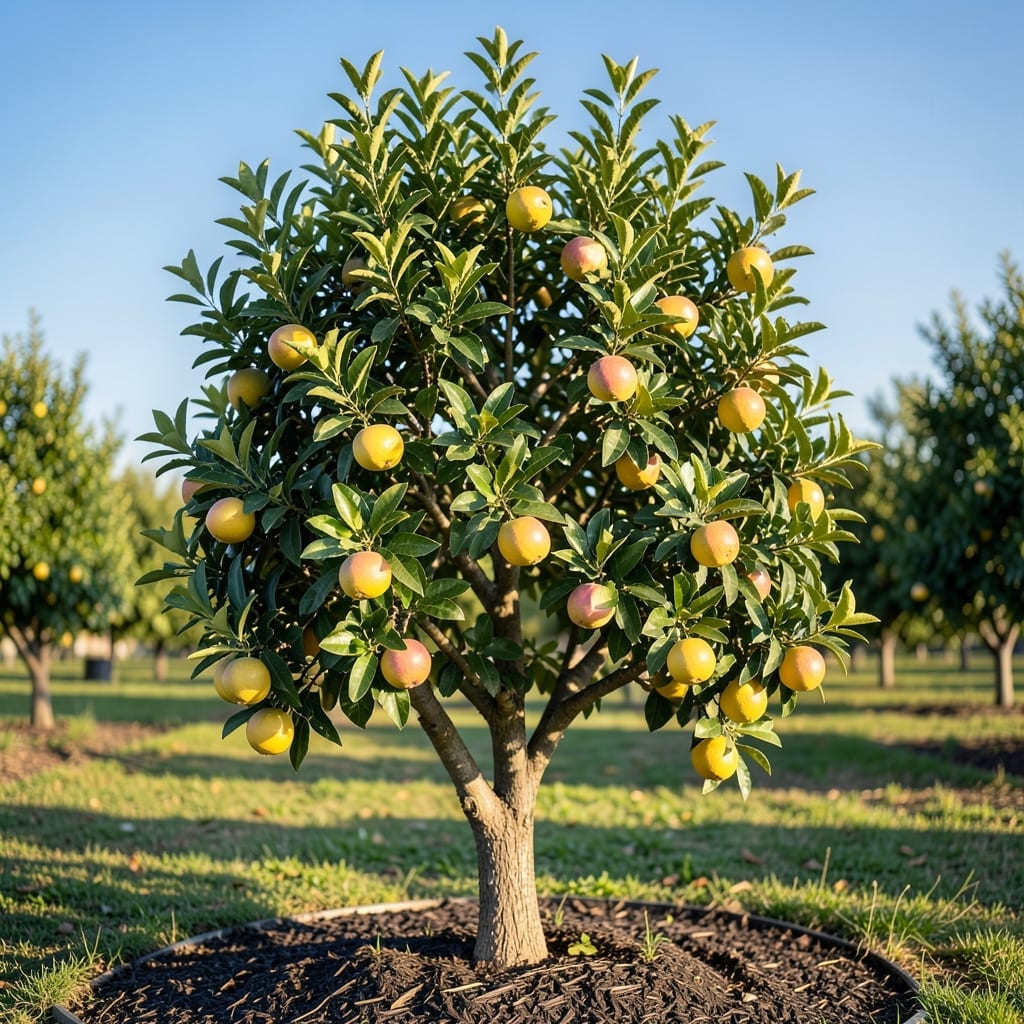
I remember the first time I saw a full grown 🍊 Grapefruit Tree heavy with fruit – it was love at first sight. There’s something magical about nurturing a tree that can reward you with juicy citrus for decades.
But getting those bountiful harvests year after year takes more than just planting and hoping. Your mature grapefruit tree needs specific care to thrive in zones 9-11.
Let me walk you through the essentials of watering, fertilizing, and pruning that will keep your tree healthy and productive. The results will speak for themselves.
I’ve found that a full grown grapefruit tree thrives with consistent care. These citrus giants need the right balance of water, nutrients, and pruning to produce their best fruit. Without it, even a mature tree can struggle.
In zones 9-11, your tree can reach 20-50 feet tall and live for decades. Proper maintenance ensures it stays healthy and productive for years to come.
| thead-cell” style=”background-color:#6fd544;color:#fff;”>Key Notes | tbody-cell”>Weekly | tbody-row”> | tbody-cell”>Every 4-6 weeks | tbody-row”> | tbody-cell”>Annually |
Don’t forget to mulch around the base to retain moisture. Keep the mulch 3-4 inches away from the trunk to avoid rot. Organic mulch like wood chips works best. A full sun location is critical. Your tree needs 6+ hours of direct sunlight daily. Without enough light, fruit production will suffer. Watch for signs of nutrient deficiencies. Yellow leaves often indicate a need for nitrogen, while poor fruit set might mean a lack of phosphorus. Adjust your fertilizer accordingly. Finally, keep an eye out for pests like aphids or scale insects. Regular inspections and early treatment with neem oil can save your tree from serious damage. 🌿 Common Problems in Mature Grapefruit Trees and How to Fix ThemEven with perfect care, full grown grapefruit trees can face challenges. I’ve seen healthy trees suddenly struggle with yellowing leaves or stunted fruit. These issues often signal underlying problems. In my experience, early detection is key. Most problems like pests or diseases can be managed if caught quickly. Let’s look at the most common issues and their solutions. ⚠️ Warning: Common Grapefruit Tree Problems Citrus greening, root rot, and pest infestations can devastate your tree. Act fast to prevent spread. One major threat is citrus greening. This bacterial disease turns leaves mottled yellow and produces bitter, misshapen fruit. Unfortunately, there’s no cure, so prevention is critical. Remove infected trees immediately. Root rot often appears in waterlogged soil. If you notice wilting leaves and stunted growth, check the roots. Improve drainage and reduce watering to save your tree. Pests like aphids and scale insects love grapefruit trees. I recommend spraying with neem oil at the first sign of infestation. It’s organic and effective for most common pests. Nutrient deficiencies show up as discolored leaves or poor fruit set. A soil test can pinpoint exact needs. Yellow leaves often mean nitrogen deficiency, while purple stems may indicate phosphorus lack. 🌿 |
|---|