
Beautiful Plants For Your Interior
Beautiful Plants For Your Interior
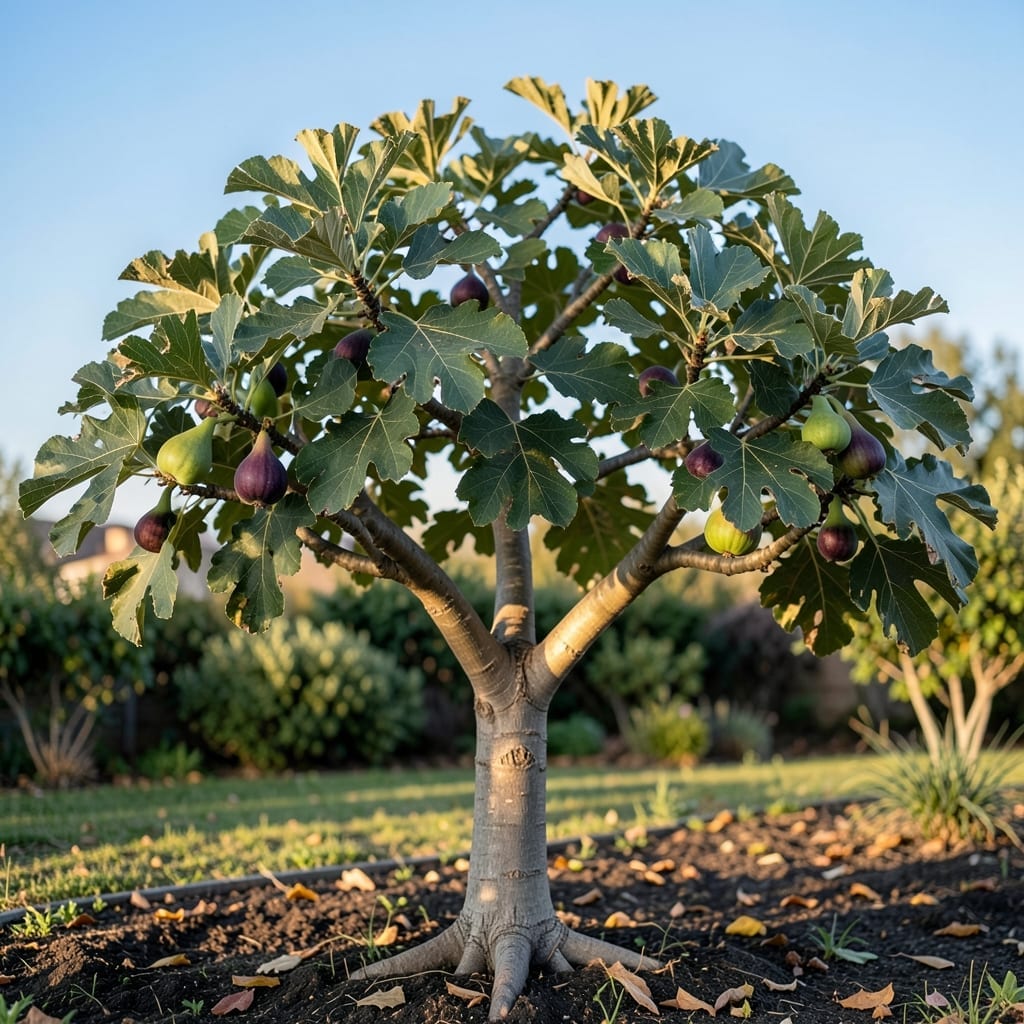
There’s nothing quite like the sight of a thriving Fig Tree 🌳 in your garden, but many gardeners are surprised by just how large these trees can grow.
If you’re planning to plant one, knowing the mature size is the key to proper spacing and landscape design. Without this knowledge, you might end up with an overcrowded garden or a tree that’s difficult to manage.
From dwarf varieties to standard types, the size can vary dramatically. I’ll walk you through what to expect so you can plan accordingly and avoid common pitfalls.
Discover how to give your Fig Tree the space it needs to flourish while keeping it at a manageable size for your garden.


When I plan my garden, knowing the full grown fig tree size helps me space plants properly. Most standard fig trees reach 15 to 30 feet tall with a similar spread, but this varies by variety and growing conditions.
Dwarf varieties like Little Miss Figgy stay compact at 4 to 6 feet, perfect for small spaces or container gardening. Semi-dwarf types, such as Chicago Hardy, typically grow 10 to 15 feet in height and width.
| Variety | Height Range | Spread Range |
|---|---|---|
| Brown Turkey | 15-25 ft | 15-25 ft |
| Celeste | 10-20 ft | 10-20 ft |
| Chicago Hardy | 10-15 ft | 10-15 ft |
| Black Mission | 20-30 ft | 20-25 ft |
| Little Miss Figgy | 4-6 ft | 3-5 ft |
In my experience, climate and soil significantly impact growth. Fig trees in warmer climates like USDA zones 8-10 tend to grow larger, while those in cooler zones may stay smaller.
Pruning practices also play a role in controlling size. Regular pruning can keep a standard fig tree at 10-12 feet, making it more manageable in home gardens.
I’ve noticed that container-grown figs naturally stay smaller due to root restriction. Even standard varieties in large pots typically max out at 8-10 feet tall and wide.
For those with limited space, I recommend starting with a dwarf variety. These compact trees produce full-sized fruit while fitting neatly into patios or small yards.
The Chicago Hardy is a favorite among gardeners in colder climates. Its 10-15 foot stature makes it perfect for northern gardens where larger trees might struggle.
Remember that spread can equal height in many varieties. Always check the specific growth habits of your chosen fig tree to plan accordingly.
In my garden, I allow 15-20 feet of space between standard fig trees. This gives them room to mature without crowding, while still allowing for easy maintenance access.
For the healthiest growth, I ensure my fig trees receive full sun and well-draining soil. These conditions help them reach their full size potential while producing abundant fruit. 🌳
Understanding what influences your fig tree’s size helps you manage its growth effectively. Several key factors come into play, from soil quality to pruning habits, each shaping how tall and wide your tree will grow.
I’ve seen firsthand how sunlight exposure can make or break a fig tree’s development. More sun typically means faster growth and larger dimensions, while shaded trees stay smaller but may produce less fruit.
The planting method makes a surprising difference. In-ground trees often reach their full potential height of 15-30 feet, while container-grown figs typically max out at 8-10 feet due to root restriction.
Pruning is your secret weapon for size control. I recommend annual pruning in late winter to shape the tree and remove excess growth. This keeps even vigorous varieties at a manageable size without sacrificing fruit production.
Don’t overlook your local climate. Fig trees in USDA zones 7-10 generally grow larger than those in cooler areas. In my experience, Chicago Hardy figs stay smaller in northern climates compared to Brown Turkey figs in the South.
Remember that variety selection plays a role too. Dwarf types naturally stay compact, while standard varieties need more space. Always check the mature size before planting to avoid future headaches.
🌳