
Beautiful Plants For Your Interior
Beautiful Plants For Your Interior
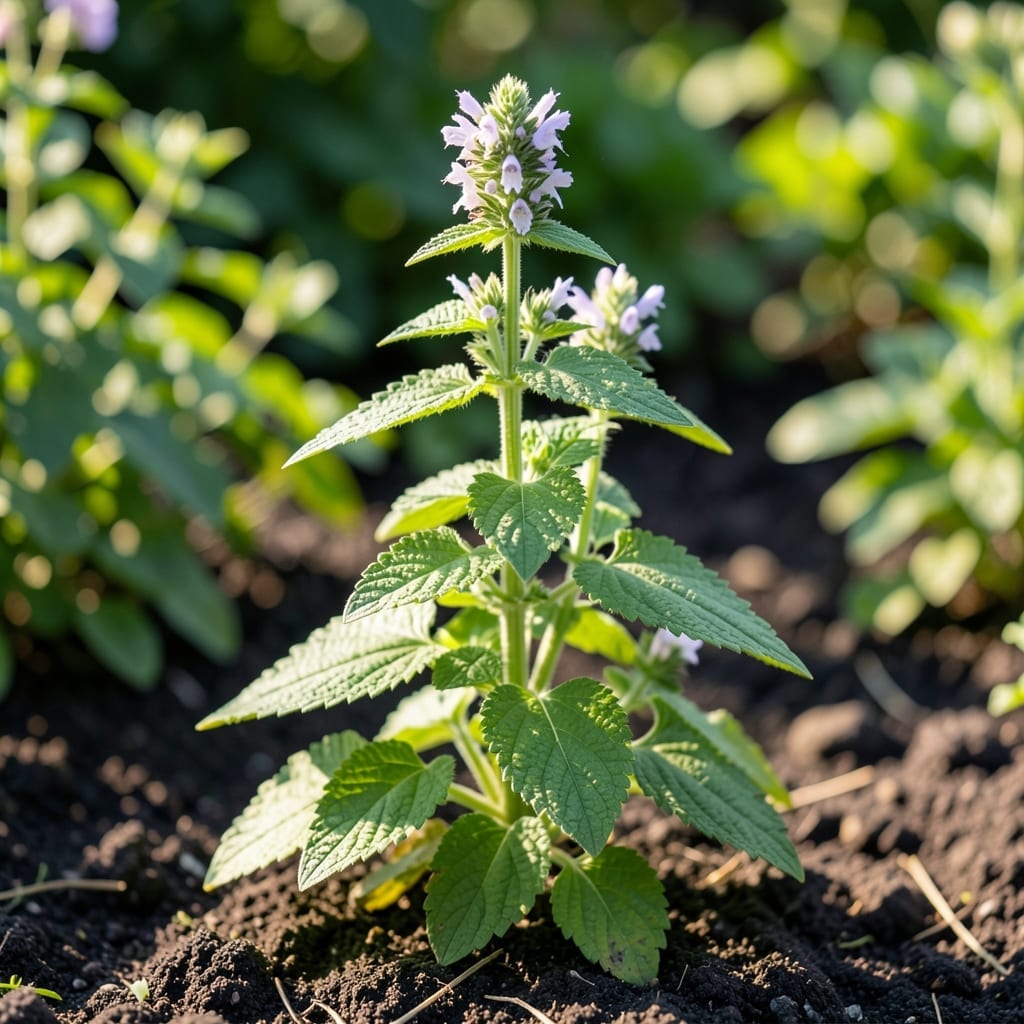
There’s something magical about watching Catnip 🌿 transform from tiny seeds into a lush, fragrant plant that drives cats wild. I still remember the first time my garden became the neighborhood hotspot for every feline within a mile.
Growing a thriving full-grown specimen isn’t just about luck—it’s about understanding its needs. From the ideal soil conditions to the perfect amount of sunlight, every detail matters in bringing out its best.
Discover how to nurture your plant from sprout to maturity, ensuring it reaches its 3-4 ft potential while keeping your kitty (and your garden) happy.


If you want a thriving full grown catnip plant, start with the basics: well-draining soil and plenty of sunlight. I’ve found that 6+ hours of direct sun daily brings out the strongest fragrance and bushiest growth in my garden.
This hardy herb thrives in USDA zones 3-9 and can reach 3-4 feet tall when given the right conditions. It’s drought-tolerant once established, but consistent moisture early on helps it take root.
| Requirement | Specification |
|---|---|
| Sunlight | 6+ hours daily |
| Soil Type | Well-draining |
| Water Needs | 1 inch weekly |
| Mature Height | 3-4 feet |
| USDA Zones | 3-9 |
Planting catnip is straightforward: sow seeds directly in the garden after the last frost, or start indoors 6-8 weeks earlier. Space plants 18-24 inches apart to allow for their bushy growth habit.
I always recommend morning watering to prevent fungal issues. A deep soak once a week is better than frequent shallow watering, especially once the plant is established.
Feed your catnip with a balanced fertilizer every 4-6 weeks during the growing season. I use a 5-10-5 NPK ratio to encourage both foliage and flower production.
Pruning is key to maintaining a full, healthy plant. Trim back the stems by one-third in early summer to promote bushier growth. This also delays flowering, which can extend the plant’s lifespan.
Watch for signs of stress like yellowing leaves or wilting. These often indicate overwatering or poor drainage. If this happens, I reduce watering and check the soil’s moisture level.
Catnip is generally pest-resistant, but aphids and spider mites can occasionally appear. A strong spray of water or neem oil usually takes care of these issues without harming the plant.
By late spring, your catnip should be lush and fragrant. The white flowers that appear in summer are a bonus, attracting pollinators like bees and butterflies to your garden.
With these care tips, your full grown catnip plant will be the star of your garden and your cat’s favorite spot
Even the healthiest full grown catnip plant can face challenges. I’ve dealt with my share of wilted leaves and pest invasions, but most issues are fixable with quick action.
One common problem is overwatering, which leads to root rot and yellowing foliage. Catnip prefers dry soil between waterings, so I check the top inch of soil before reaching for the hose.
⚠️ Warning: Fungal diseases thrive in wet conditions. Always water at the base of the plant and avoid overhead sprinkling to keep leaves dry.
Pests like aphids and spider mites can also trouble your catnip. I combat these with a strong water spray or neem oil solution, applied in the early morning or late evening.
If your plant looks stunted or pale, it might need more sunlight. Catnip requires 6+ hours of sun daily, so I move container-grown plants to a sunnier spot if they’re struggling.
Poor soil drainage is another culprit for unhealthy catnip. I amend heavy clay soil with compost or sand to improve drainage and prevent waterlogging.
Finally, leggy growth often means your catnip needs pruning. I trim back stems by one-third in early summer to encourage a bushier shape and more abundant foliage.
With these fixes, your full grown catnip plant will bounce back and stay vibrant all season long 🌿