
Beautiful Plants For Your Interior
Beautiful Plants For Your Interior
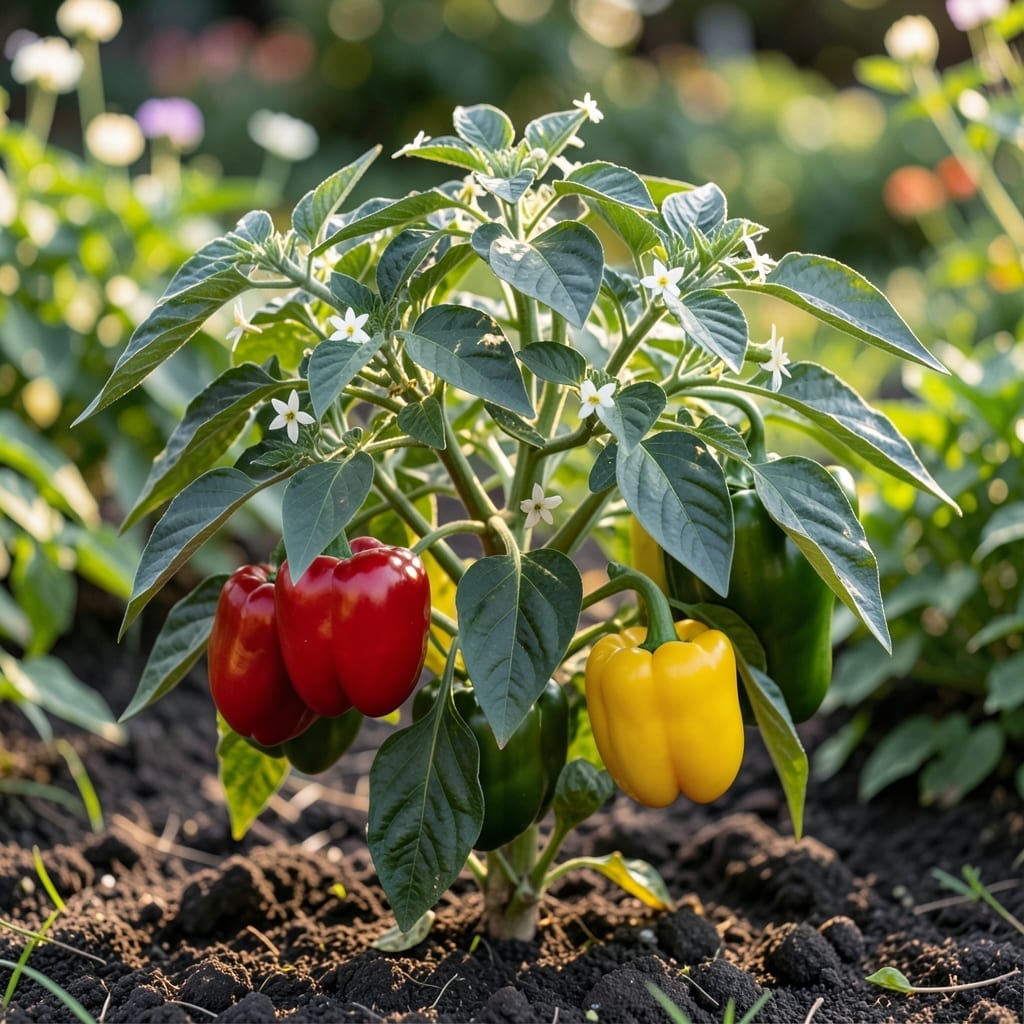
Watching a Bell Pepper 🌶️ mature from a tiny seedling to a full-grown, fruit-bearing beauty is one of gardening’s most satisfying experiences.
But how tall should it get, and what does proper care look like? These are the questions every gardener asks when nurturing their plants to maturity.
Understanding the growth stages of your Bell Pepper helps you provide the best environment for thriving plants. From height to spread, knowing what to expect is the key to success.
Discover the essential care tips and size expectations that will ensure your plants reach their full potential this season.


A full grown bell pepper plant typically reaches 18-36 inches tall with a 12-24 inch spread. This size varies by variety, with standard types hitting the upper range while dwarf varieties stay compact.
Your plant’s final size depends on growing conditions. Factors like sunlight exposure, soil quality, and pruning habits all play significant roles in its development.
| Variety | Height | Spread |
|---|---|---|
| Standard | 24-36 inches | 18-24 inches |
| Dwarf | 12-18 inches | 12-15 inches |
| Container | 18-24 inches | 12-18 inches |
I’ve found that standard varieties like ‘California Wonder’ often reach 3 feet tall in ideal conditions. These plants develop thick stems and multiple branches loaded with peppers.
Dwarf bell peppers, such as ‘Lunchbox’, stay smaller but produce abundant fruit on compact plants. They’re perfect for container gardening on patios or balconies.
For container-grown plants, choose varieties bred for small spaces. These typically max out at 2 feet tall with a bushy growth habit. Just ensure your pot is at least 5 gallons in size.
Remember that pruning can control size. I regularly pinch back early growth to encourage bushier plants rather than tall, leggy ones. This also improves air circulation and fruit production.
Sunlight is another size influencer. Plants getting 6-8 hours of direct sun daily will grow more vigorously than those in partial shade. In my experience, shaded plants often stay 20% smaller.
Soil quality matters too. I always amend my beds with compost before planting. Rich, well-draining soil supports maximum growth and healthy root systems.
Finally, watering consistency affects size. Deep watering 2-3 times weekly encourages strong root development, while erratic watering can stunt growth. I’ve seen the difference firsthand in my own garden.
With proper care, your bell pepper plants will reach their full potential and reward you with a bountiful harvest of crisp, colorful peppers 🌱
Once your bell pepper plant reaches maturity, consistent care ensures a bountiful harvest. I focus on deep watering every 5-7 days, ensuring the soil stays moist but never soggy. Morning watering helps prevent fungal issues while giving roots time to absorb moisture.
For optimal growth, I provide 6-8 hours of direct sunlight daily. Bell peppers thrive in well-draining soil enriched with compost. A balanced fertilizer with higher phosphorus, like 5-10-10, supports fruiting when applied every 4-6 weeks.
I always mulch around the base to retain moisture and suppress weeds. This also keeps soil temperatures stable, which is crucial for root health. Avoid overhead watering to prevent disease spread and keep foliage dry.
Pruning is another essential task. I remove suckers and lower leaves to improve air circulation. This reduces the risk of fungal diseases and allows sunlight to reach developing peppers more effectively.
Watch for pest signs like curled leaves or tiny holes. I use neem oil or insecticidal soap at the first sign of trouble. Regular inspections help catch issues early before they escalate.
With these care tips, your full grown bell pepper plant will reward you with a generous harvest of crisp, flavorful peppers all season long. 🌱