
Beautiful Plants For Your Interior
Beautiful Plants For Your Interior
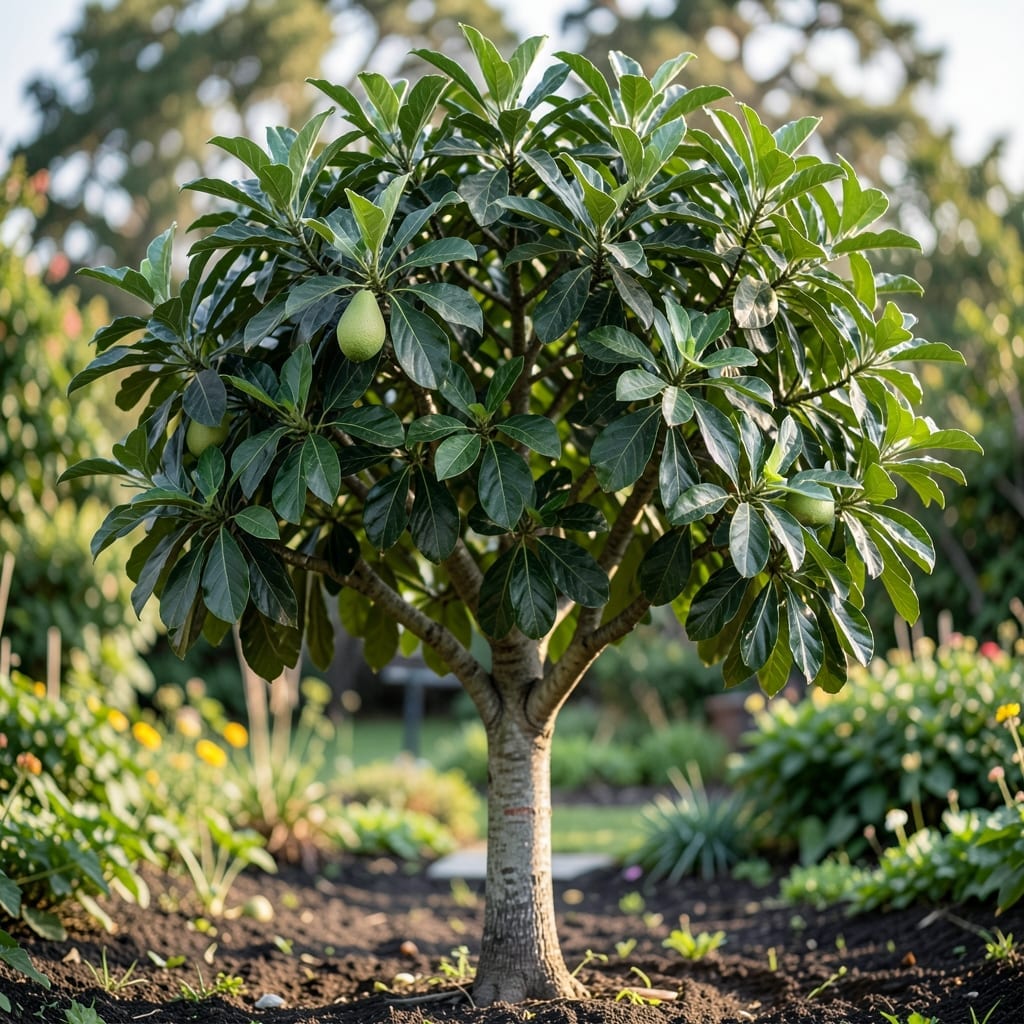
Imagine stepping into your backyard and plucking a ripe, creamy avocado from your very own 🥑 tree. A full grown Avocado Tree can make this dream a reality, but it takes the right care to thrive.
From proper watering to ideal sunlight, every detail matters in nurturing a healthy tree. I’ve learned the hard way what works—and what doesn’t.
Discover the essential steps to keep your tree flourishing and producing fruit for years to come.
A full grown avocado tree thrives with consistent, targeted care. I’ve found that Hass and Fuerte varieties need 6+ hours of direct sunlight daily to produce abundant fruit. Without proper light, the tree struggles to set blooms.
Soil quality is non-negotiable. These trees demand well-draining soil with a pH between 6 and 7. Poor drainage leads to root rot, which can kill even established trees. I always amend heavy clay with compost.
| Requirement | Specification |
|---|---|
| Sunlight | 6+ hours daily |
| Soil Type | Well-draining, loamy |
| Watering | Deep soak every 7-10 days |
| Fertilizer | 6-6-6 or 8-3-9 NPK |
| USDA Zones | 9b-11 |
Watering is another critical factor. I deep-soak my avocado trees every 7-10 days, ensuring the water reaches the deep roots. Frequent, shallow watering encourages weak roots and increases vulnerability to drought.
Fertilizing should follow a schedule. I use a balanced 6-6-6 or citrus-specific 8-3-9 formula, applying it every 2-3 months. Over-fertilizing can burn roots, so I stick to 3-4 lbs per mature tree per application.
Pruning isn’t just for aesthetics. I remove dead or crossing branches to improve airflow and sunlight penetration. This reduces the risk of fungal diseases and encourages more fruit-bearing wood. Always sterilize your tools!
Mulching helps retain moisture and regulate soil temperature. I apply a 3-4 inch layer of organic mulch, like wood chips, but keep it 6 inches away from the trunk to prevent rot. This simple step makes a huge difference.
Pests like avocado lace bugs and mites can wreak havoc. I monitor leaves regularly for signs of damage. A strong blast of water often dislodges pests, but I use neem oil for severe infestations.
Frost is a major threat in cooler zones. I protect my trees with frost blankets or burlap wraps when temperatures drop below 30°F. Even mature trees can suffer damage without protection.
Finally, patience pays off. A full grown avocado tree can take 10-15 years to bear fruit, but the wait is worth it. With proper care, your tree can produce 200-300 avocados annually for decades. 🌿
Even with the best care, a full grown avocado tree can face challenges. I’ve dealt with root rot firsthand—it’s often caused by overwatering or poor drainage. The fix? Improve soil structure and adjust watering habits immediately.
Nutrient deficiencies show up as yellowing leaves or stunted growth. A soil test helps identify what’s missing. I’ve found that zinc and iron are common culprits in avocado trees, and foliar sprays can work wonders.
Pests like avocado lace bugs and spider mites love to attack stressed trees. I inspect my trees weekly, especially under the leaves. A strong blast of water can dislodge many pests, but I switch to horticultural oil if needed.
Fungal diseases, such as anthracnose, thrive in wet conditions. I prevent this by pruning for airflow and avoiding overhead watering. Copper fungicides can help if the problem persists.
In cooler climates, frost damage is a real risk. I protect my trees with frost cloths or even Christmas lights for added warmth. Even mature trees can suffer, so don’t skip this step.
Finally, salt buildup from irrigation water can harm roots. Flushing the soil with fresh water every few months helps. I also mulch heavily to protect roots and retain moisture. 🌳