
Beautiful Plants For Your Interior
Beautiful Plants For Your Interior
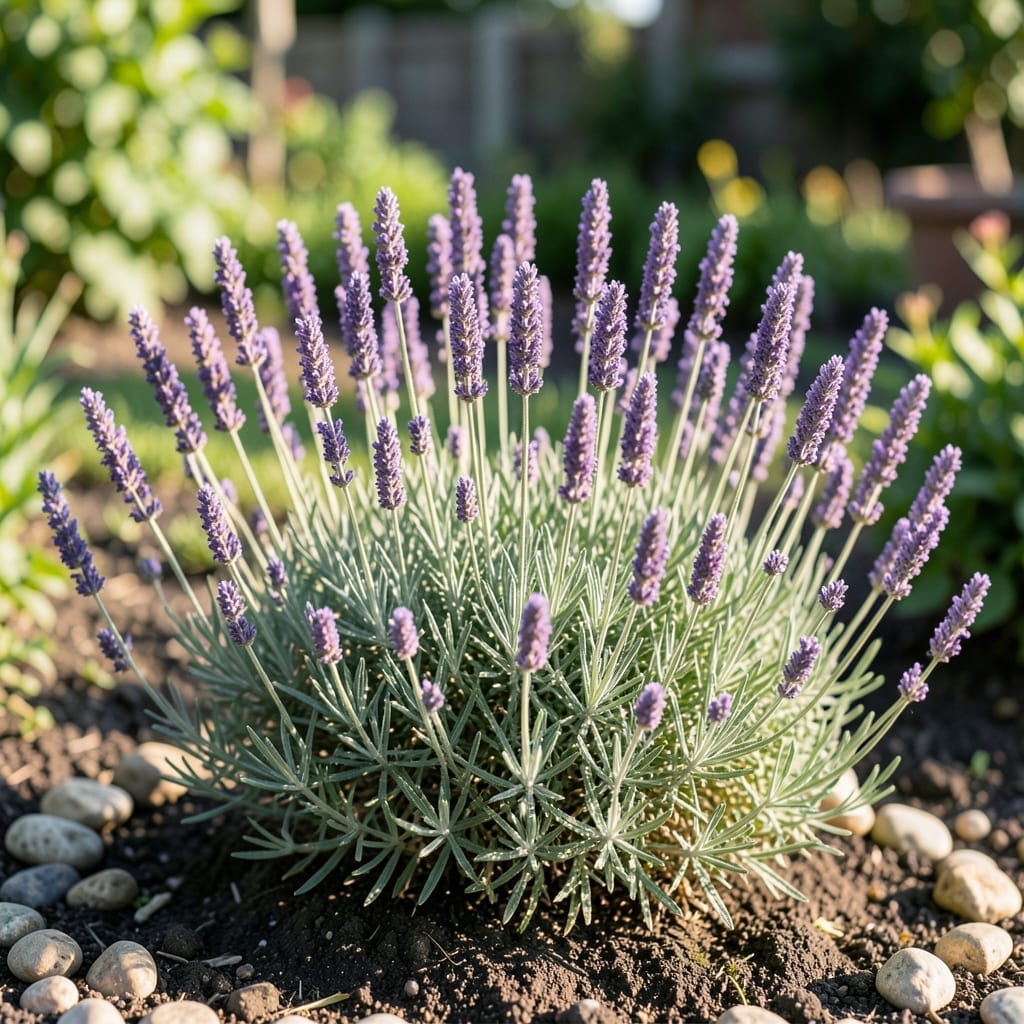
French lavender leaves are the unsung heroes of this fragrant plant. They add texture and color long before the purple blooms appear.
These silver-green leaves stay attractive year-round and release their scent when touched. Proper care keeps them healthy and vibrant, ensuring your plant thrives in any garden setting.
📚 In This Guide
Here’s how I grow healthy lavender with those iconic fragrant leaves and purple blooms.
French lavender thrives in full sun, so pick a spot that gets at least 6-8 hours of direct sunlight daily. Without enough light, the leaves lose their vibrancy, and the plant grows leggy. I always test my chosen area by observing how the sun moves across it throughout the day.
Ensure the soil is well-draining, as lavender hates soggy roots. If your garden has heavy clay, consider amending the soil with sand or gravel, or plant in a raised bed. The ideal pH is slightly alkaline, between 6.7 and 7.3.
Dig a hole about 12-18 inches wide and the same depth as the root ball. Place the plant in the hole, ensuring the top of the root ball is level with the surrounding soil. Space multiple plants 18-24 inches apart to allow for proper air circulation.
Backfill the hole with soil and press it down lightly to remove air pockets. Water deeply right after planting to help the roots settle. I’ve found that a light mulch of small gravel around the base helps retain moisture without trapping water against the stems.
Water young plants once or twice a week until they’re established, then reduce to every 2-3 weeks. Mature lavender is drought-tolerant, so overwatering is a bigger risk than underwatering. Always check that the soil is dry to the touch before watering again.
Prune lightly after flowering to encourage bushier growth. Remove about one-third of the current year’s growth, cutting just above a set of leaves. This keeps the plant compact and promotes more blooms the next season. Avoid pruning into old wood, as lavender doesn’t regenerate well from there.
Fertilizing isn’t usually necessary, but if your soil is poor, a light application of compost in early spring can help. Avoid high-nitrogen fertilizers, as they encourage leafy growth at the expense of flowers. I’ve seen lavender thrive on neglect, so resist the urge to over-pamper it.
Watch for signs of stress, like yellowing leaves or wilting, which often indicate overwatering or poor drainage. With the right care, your lavender will reward you with fragrant leaves and stunning purple blooms from late spring to early summer.
Small adjustments in care make a big difference in growing vibrant French lavender.
Sunlight Strategy: In Step 1, ensure your chosen spot truly gets those 6-8 hours of direct sunlight daily. Morning sun is less intense, so prioritize afternoon exposure. I learned the hard way that even partial shade can lead to weak, leggy plants with pale leaves.
Soil Preparation: For Step 2, if your soil is heavy clay, don’t just amend the planting hole—improve a wider area around it. Mix in plenty of sand or gravel to a 12-18 inch diameter to prevent water from pooling around the roots. The pH range of 6.7 to 7.3 is ideal; test kits are inexpensive and worth the investment.
Watering Wisdom: Follow the watering schedule in Step 3 exactly: once or twice weekly for new plants, then every 2-3 weeks once established. The “dry to the touch” test is your best guide—stick your finger an inch into the soil. Overwatering shows up as yellowing leaves or wilting, which seems counterintuitive but is a classic sign of too much moisture.
Pruning Precision: When pruning in Step 3, never cut into old wood—it won’t regrow. Focus on trimming back one-third of the current year’s growth right after flowering. This encourages bushier plants with more blooms next season. I use clean, sharp pruners to make precise cuts just above leaf nodes.
French lavender leaves are non-toxic but not typically eaten. They’re best used for fragrance or ornamental purposes. If you’re curious, try culinary lavender varieties like Lavandula angustifolia instead.
Brown leaves often signal overwatering or poor drainage. French lavender thrives in dry, well-drained soil. Reduce watering and ensure the soil isn’t soggy to revive your plant.
Prune lightly after flowering (late summer) to maintain shape. Avoid heavy pruning in fall, as it can leave the plant vulnerable to winter damage.
If your climate is too humid or wet, try Spanish lavender (Lavandula stoechas). It’s more tolerant of moisture and still offers beautiful blooms and fragrance.