
Beautiful Plants For Your Interior
Beautiful Plants For Your Interior
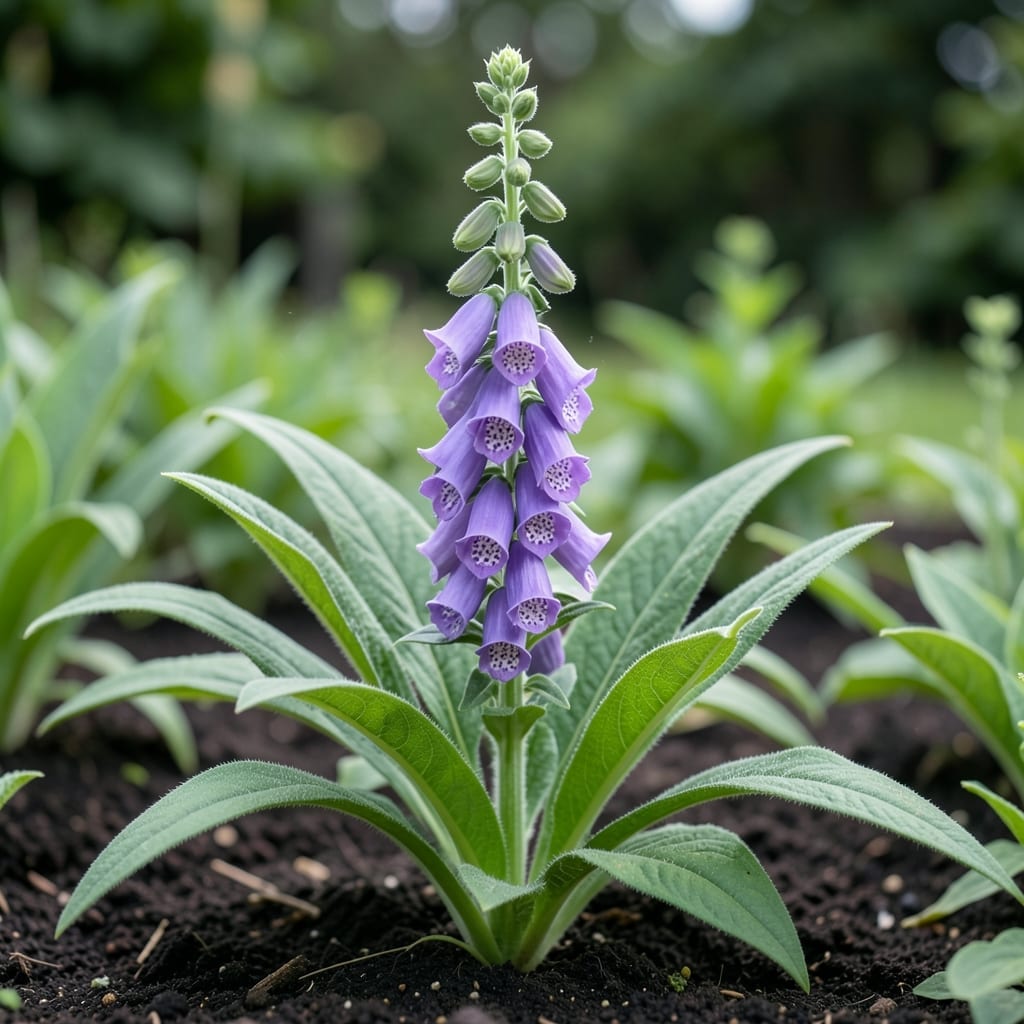
Foxgloves bring towering spires of bell-shaped blooms to gardens, but their fleeting beauty leaves many growers wondering: when exactly will these stunners burst into color?
If you’ve ever planted 🌸 Foxglove and found yourself checking daily for signs of those iconic flowers, you’re not alone. The anticipation is half the fun, but knowing the timeline helps.
From my experience, these biennials have a predictable pattern that’s influenced by your climate and planting time. Understanding this can turn your garden into a vibrant summer showcase.
Discover the typical bloom window and how to coax the most spectacular display from your Foxgloves this season.
If you’re growing foxgloves in your garden, you’re likely eager to see those iconic bell-shaped flowers reach their peak. The most common variety, Digitalis purpurea, typically blooms in early to mid-summer.
However, the exact timing depends on your USDA hardiness zone and whether you’re growing biennial or perennial foxgloves. Let me break it down for you. 🌱
| Variety | Bloom Time | USDA Zones |
|---|---|---|
| Common Foxglove | June – July | 4-8 |
| Straw Foxglove | May – June | 5-9 |
| Woolly Foxglove | July – August | 6-9 |
In cooler climates like Zone 4, foxgloves may bloom a bit later, often in July. The plants need time to establish their rosette of leaves the first year before flowering.
Warmer zones like Zone 8 or 9 might see blooms as early as late May. The extra warmth speeds up growth, but be mindful of heat stress in peak summer.
Biennial foxgloves follow a two-year cycle: they grow foliage the first year and flower the second. Perennial types, like Digitalis grandiflora, may bloom the first year if started early.
I’ve found that partial shade and consistent moisture help regulate bloom time. Too much sun can cause premature flowering, while too little may delay it. ☀️
If you’re in Zone 7, you might get a second flush of blooms in late summer if you deadhead the first flower spikes. This trick works best with perennial varieties.
For Northern gardeners, starting seeds indoors in early spring can give you blooms the same year. Just ensure your seedlings are hardened off before transplanting.
Remember, foxgloves are biennial in most climates, so plan for staggered plantings to enjoy continuous color. I like to sow new seeds every fall to keep the cycle going. 🌿
Finally, keep an eye on soil temperature. Foxgloves prefer cool to moderate conditions, so avoid planting in midsummer heat if you want timely blooms.
If you’re growing foxgloves, you can typically expect those dramatic bell-shaped blooms to appear in early to mid-summer. The most common variety, Digitalis purpurea, usually flowers from June to August in most regions.
However, the exact timing can vary based on your USDA zone and whether you’re growing biennial or perennial foxgloves. In warmer zones like 8-9, blooms may appear slightly earlier, while cooler zones like 4-5 might see flowers a bit later.
| Variety | Bloom Time | USDA Zones |
|---|---|---|
| Common Foxglove | June-August | 4-8 |
| Straw Foxglove | May-July | 5-9 |
| Woolly Foxglove | July-September | 6-9 |
I’ve found that biennial foxgloves often bloom in their second year, while perennial types may flower in their first year if conditions are ideal. This is why many gardeners start seeds indoors 8-10 weeks before the last frost.
Climate plays a huge role in bloom timing. In my Pacific Northwest garden, foxgloves often start blooming in late May due to the mild, wet springs. Meanwhile, gardeners in drier climates might see blooms 2-3 weeks earlier.
For the longest bloom period, I recommend planting in partial shade with consistent moisture. This mimics their native woodland conditions and can extend the flowering window by several weeks.
Remember that deadheading spent blooms can sometimes encourage a second flush of flowers, though this isn’t guaranteed with all varieties. I always keep an eye out for new flower spikes developing at the base.
With their towering height and vibrant colors, foxgloves are worth the wait, and understanding these patterns helps me plan my garden’s color calendar perfectly 🌷