
Beautiful Plants For Your Interior
Beautiful Plants For Your Interior
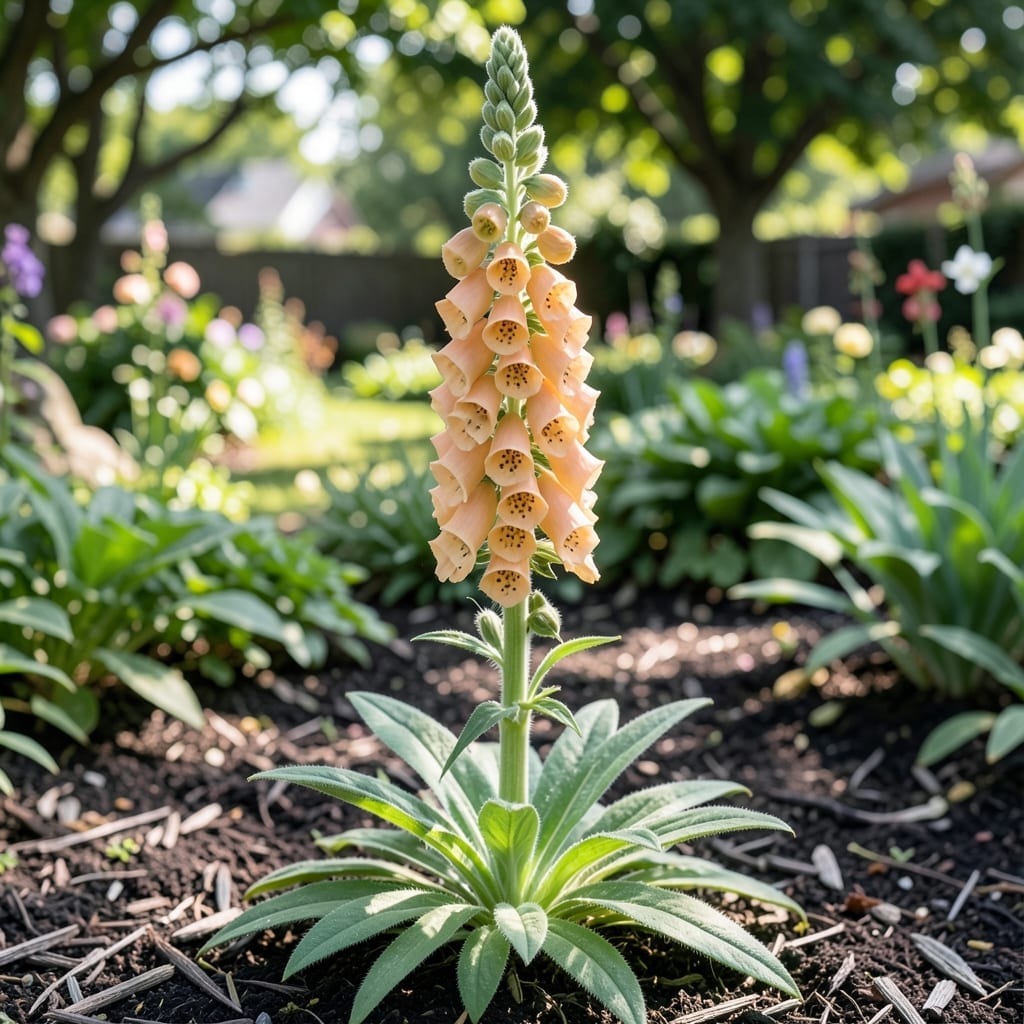
Foxglove Apricot Beauty brings stunning height and soft peach tones to any garden, but pairing it with the right companions can elevate its visual impact and health.
The 🌸 Foxglove thrives in USDA zones 4-9, making it a versatile choice for many gardeners. By selecting the right neighbors, you can create a vibrant, thriving garden that looks as good as it grows.
I’ve discovered that the right companion plants can boost your Foxglove’s beauty while deterring pests and improving soil health. It’s all about finding the perfect balance.
Learn how to pair this tall, elegant flower with plants that complement its color, height, and growing conditions for a show-stopping display.
I love how Foxglove Apricot Beauty adds vertical drama with its soft peach blooms and towering 3-5 ft stature. Pairing it with the right neighbors boosts its charm and supports garden health. The key is choosing plants that share its love for partial shade and moist, well-drained soil in USDA zones 4-9.
Companions should complement its color palette and height while attracting pollinators or deterring pests. I’ve found that layering with mid-height and ground-cover plants creates a balanced, eye-catching display.
| Companion Plant | Benefit | Growing Conditions |
|---|---|---|
| Roses | Enhances romantic cottage aesthetic | Partial shade, well-drained soil |
| Delphiniums | Adds blue-purple contrast to peach tones | Full sun to partial shade, moist soil |
| Hostas | Provides foliage contrast at base | Full to partial shade, rich soil |
| Lavender | Deters pests with fragrance, attracts pollinators | Full sun, dry to medium soil |
| Astilbe | Complements with feathery plumes in pink/white | Partial shade, moist soil |
I always recommend Roses as a classic partner for Foxglove Apricot Beauty. Their shared love for partial shade and similar soil needs makes them a match made in garden heaven. Plus, the soft peach foxglove blooms look stunning against rose petals.
Delphiniums offer a striking contrast with their tall blue spikes. This color combo creates a vibrant summer display that’s hard to beat. Just ensure they get enough sunlight to thrive alongside your foxglove.
For a lush, layered look, I add Hostas at the base. Their broad leaves provide a beautiful textural contrast to the foxglove’s vertical spikes. They also help retain soil moisture, which foxgloves appreciate.
Lavender is another favorite of mine. While it prefers full sun, it can tolerate partial shade and its fragrant blooms deter pests that might bother your foxglove. The purple and peach combination is simply divine.
Don’t overlook Astilbe for a softer touch. Its feathery plumes in shades of pink or white echo the foxglove’s gentle color palette while adding movement to your garden. It’s a perfect fit for shady spots.
When planning,
I’ve seen gardens where these combinations create a pollinator paradise. Bees and hummingbirds love the mix of foxglove, roses, and lavender. It’s a win-win for beauty and biodiversity.
While Foxglove Apricot Beauty thrives with many companions, some plants can cause problems. I’ve learned that shallow-rooted annuals often compete for nutrients and water, stunting your foxglove’s growth in USDA zones 4-9.
Aggressive spreaders like mint or bamboo can overrun your garden bed. Their invasive roots disrupt the foxglove’s moist, well-drained soil needs, leading to poor performance.
Mint spreads aggressively, choking out your foxglove’s roots and stealing moisture from the partial shade soil.
Bamboo can quickly take over a garden bed, making it impossible for 3-5 ft foxgloves to establish properly.
Petunias and other shallow-rooted annuals compete for water, leaving your foxglove thirsty and stressed.
I’ve seen petunias and other bedding annuals create issues when planted too close. Their high water needs can leave your foxglove parched, especially during summer heat.
Invasive grasses are another concern. Varieties like fountain grass can spread into foxglove clumps, making maintenance difficult and reducing air circulation around the stems.
Even some perennials can be problematic. Black walnut trees release juglone, a toxin that can stunt or kill sensitive plants like foxglove. Always check for alleopathic plants in your garden plan.
For best results, I stick to well-behaved perennials and avoid anything known to spread aggressively. This keeps my Foxglove Apricot Beauty happy and my garden looking tidy. 🌷