
Beautiful Plants For Your Interior
Beautiful Plants For Your Interior
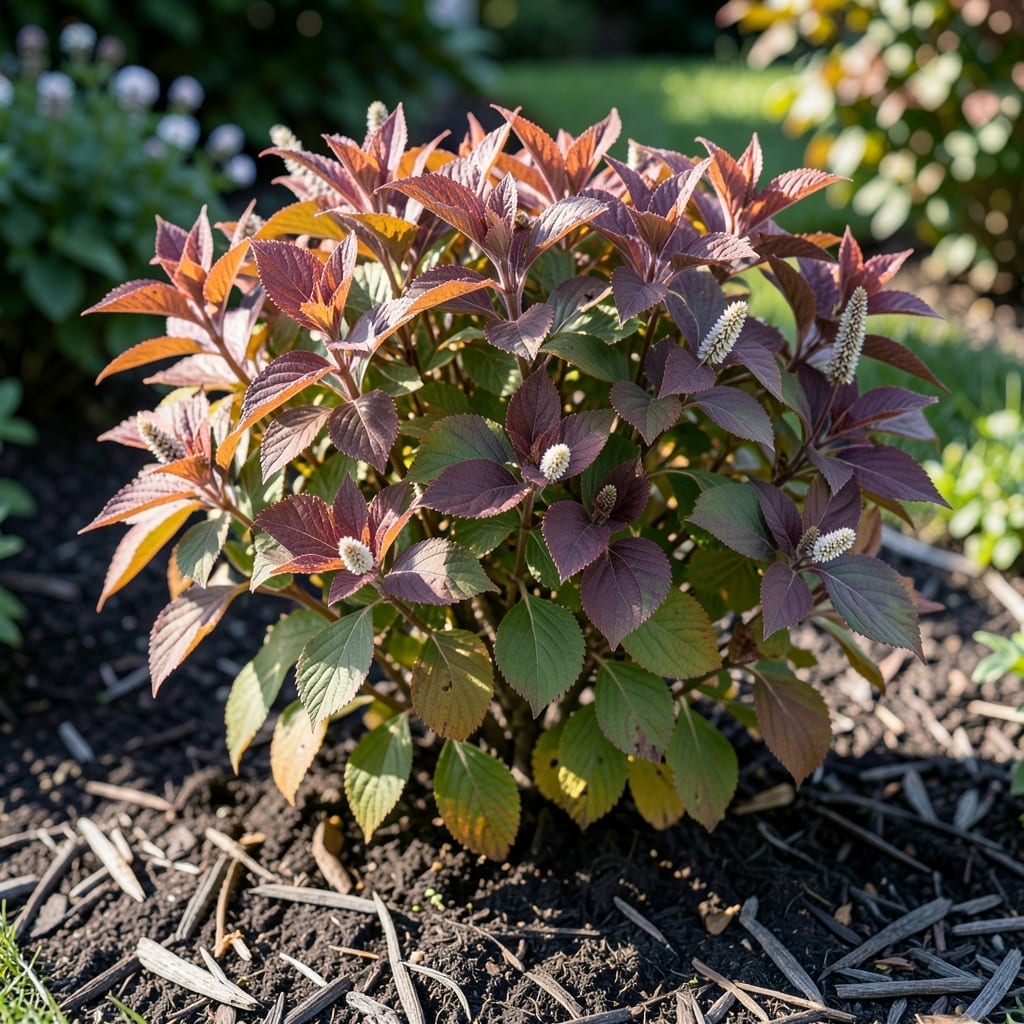
There’s something magical about watching a garden transform in autumn, and the 🌿 Fothergilla shrub steals the show with its breathtaking display.
As summer fades, this underrated beauty ignites with fiery oranges, deep reds, and rich purples that make other plants look dull by comparison.
I’ve seen firsthand how its foliage can turn a lackluster yard into a seasonal spectacle. The best part? It thrives in zones 5-8, making it perfect for most gardens.
If you want to add drama to your fall landscape, this is the shrub to plant. Let me show you how to make the most of its stunning color show.
I’ve always been amazed by how Fothergilla shrubs transform in autumn. Their leaves shift from green to fiery oranges, deep reds, and even purple tones, creating a breathtaking display that rival maples. This change is nature’s way of signaling the season’s shift. 🌿
The vibrant fall color of Fothergilla comes from anthocyanins and carotenoids, pigments that activate as days grow shorter and cooler. These compounds intensify with sunlight exposure and cool nights, making fall the perfect stage. 🌳
| Factor | Influence on Fall Color |
| Sunlight | Brighter colors with 4-6 hours of sun |
| Soil pH | Acidic soil (pH 5.5-6.5) intensifies reds |
| Temperature | Cool nights below 50°F boost pigment |
| Water | Consistent moisture prevents early leaf drop |
In my garden, I’ve noticed that Fothergilla ‘Mount Airy’ develops the most brilliant reds when planted in partial shade with morning sun. The afternoon shade protects the leaves from scorching while allowing the colors to deepen.
The color transformation starts in early fall, with the first hints of orange and yellow appearing at the leaf edges. As temperatures drop, the entire leaf transitions, often displaying multiple colors simultaneously for a stunning effect. ✂️
For the most intense fall display, I recommend testing your soil. Acidic conditions enhance the red pigments, while neutral soils may produce more oranges and yellows. A simple pH test kit can guide your amendments.
I also pay attention to watering routines during late summer. Deep watering once a week helps the shrub store energy for its autumn show. Drought stress can cause premature leaf drop, so I keep the soil evenly moist but not soggy.
The genetics of the cultivar play a role too. While all Fothergillas offer great fall color, some like ‘Blue Mist’ lean toward blue-green leaves that turn golden-yellow, while ‘Red Licorice’ lives up to its name with deep red tones. 🌱
Another secret I’ve learned is the importance of proper pruning. I avoid heavy pruning after mid-summer, as this can reduce the number of leaves available for the fall color show. Light shaping in early summer is my preferred approach.
Finally, I love pairing Fothergilla with other fall-blooming plants like asters or ornamental grasses. The contrast of the shrub’s vibrant foliage against the softer textures creates a garden scene that’s truly unforgettable. 🌿
If you want vibrant fall color, choosing the right Fothergilla variety is key. Each cultivar offers unique hues, from fiery reds to deep purples, making them perfect for seasonal interest in any garden.
I’ve found that ‘Mount Airy’ and ‘Blue Mist’ are top performers, but newer hybrids like ‘Red Licorice’ bring even more drama with their intense autumn foliage. Their compact sizes fit well in most landscapes.
| Variety | Fall Color | Height | Zone |
|---|---|---|---|
| Mount Airy | Orange-Red | 5-6 ft | 5-8 |
| Blue Mist | Purple-Blue | 3-4 ft | 5-8 |
| Red Licorice | Deep Red | 3-5 ft | 5-8 |
For smaller gardens, ‘Blue Mist’ is a fantastic choice because of its dwarf habit and stunning purple tones. It works beautifully in borders or as a focal point near entryways.
If you crave bold red foliage, ‘Red Licorice’ delivers with its compact form and intense color. It’s ideal for containers or mixed shrub beds where you want a color pop.
For classic appeal, ‘Mount Airy’ can’t be beat. Its upright growth and orange-red hues create a striking backdrop for perennials. Plant it where it gets partial shade for the best results.
No matter which variety you choose, Fothergilla will reward you with a spectacular fall display that keeps your garden vibrant long after summer fades. Just give it acidic soil and consistent moisture.
I always recommend planting in groups of three for a layered color effect that draws the eye across the landscape. 🌿