
Beautiful Plants For Your Interior
Beautiful Plants For Your Interior
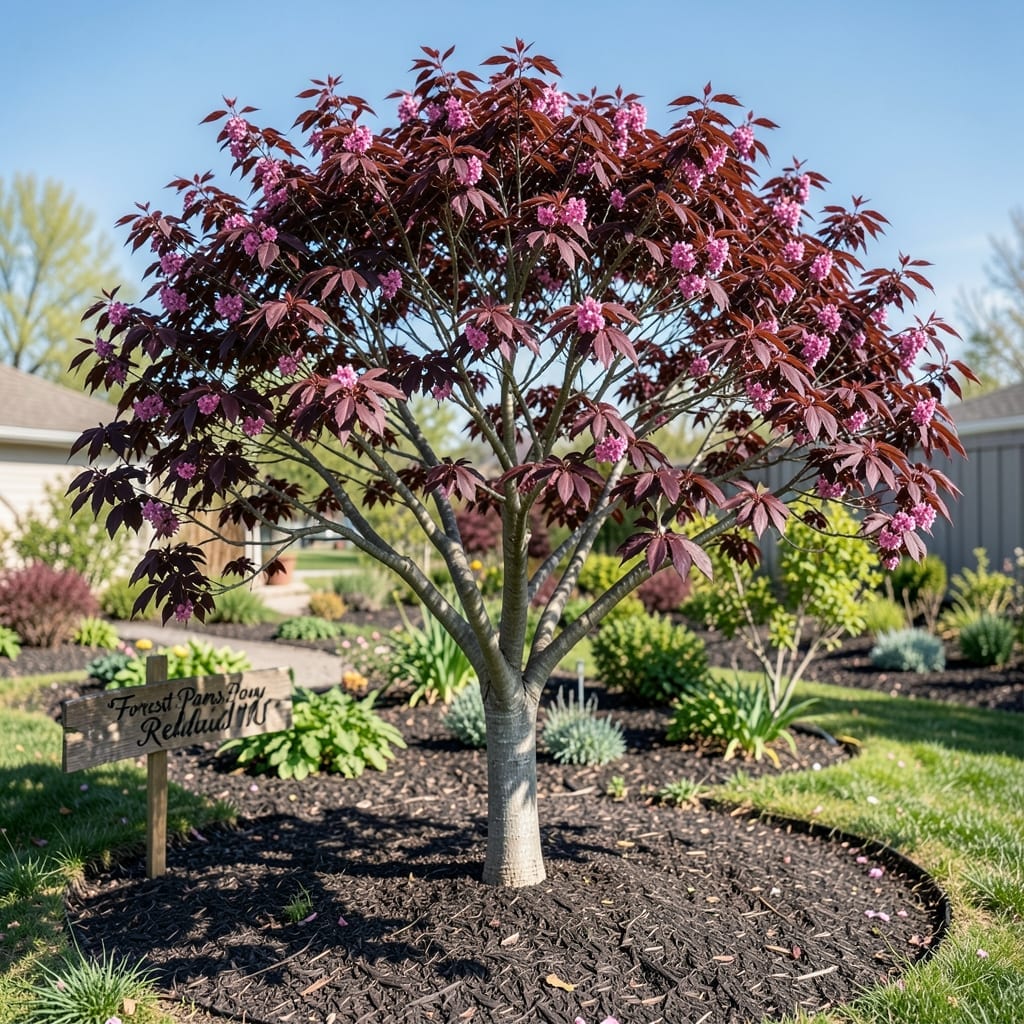
If you’ve planted a Forest Pansy Redbud 🌳 and are wondering when it will reach its full glory, you’re in the right place. This stunning ornamental tree has a growth pattern that often catches gardeners off guard.
Understanding its development timeline helps you plan your landscape and care routine effectively. From that first tentative sprout to its mature height, every stage matters.
I’ll walk you through what to expect year by year with this beautiful tree. Whether you’re a seasoned gardener or just starting out, these insights will prove invaluable.
Discover how to nurture your Forest Pansy Redbud to its full potential and create the garden of your dreams.


If you’re planting a Forest Pansy Redbud, knowing its growth rate helps you design your landscape with confidence. This tree starts slow but gains momentum, offering a beautiful display of burgundy foliage and spring blooms.
In its first year, expect modest growth as it establishes roots. The real transformation begins in years 2 through 5, when it can add 2 to 4 feet annually under ideal conditions.
| Year | Height Range | Growth Focus |
| Year 1 | 2-3 ft | Root establishment |
| Year 2 | 4-6 ft | Rapid height increase |
| Year 3 | 8-10 ft | Branch development |
| Year 4-5 | 12-15 ft | Canopy expansion |
| Year 6+ | 20-25 ft | Mature size reached |
By year 3, your Forest Pansy Redbud will likely stand 8 to 10 feet tall, with a spreading canopy. This is when the tree’s signature purple leaves and pink spring flowers become most striking.
From years 4 to 5, growth accelerates further, often reaching 12 to 15 feet. The tree fills out significantly, creating a lush focal point in any garden setting.
After year 6, the tree enters its mature phase, typically topping out at 20 to 25 feet. At this stage, growth slows but the tree maintains its vibrant color and form with proper care.
I’ve found that consistent watering in the first two years is crucial for establishing a strong root system. Once established, the Forest Pansy Redbud becomes quite drought-tolerant.
For best results, plant in well-draining soil with full sun to partial shade. This ensures steady growth and optimal foliage color. Avoid waterlogged areas, as this can stunt development.
Pruning in late winter helps maintain shape and encourages new growth. I recommend removing any dead or crossing branches to improve air circulation and overall tree health.
With its moderate growth rate and stunning appearance, the Forest Pansy Redbud is a rewarding addition to any landscape. Its yearly progression offers a dynamic visual element as it matures.
🌳I’ve found that the Forest Pansy Redbud grows at a moderate pace, but several factors can speed it up or slow it down. The most critical is soil quality—this tree thrives in well-draining, loamy soil with a neutral pH.
Next, sunlight exposure plays a huge role. While it tolerates partial shade, full sun (6+ hours daily) encourages faster, denser growth. In my experience, trees in sunnier spots often outpace those in shadier areas.
Watering practices also matter significantly. I recommend deep watering once a week during the growing season, especially for young trees. Overwatering can suffocate roots, while underwatering stresses the tree and stunts growth.
Climate is another big factor. The Forest Pansy Redbud does best in USDA Zones 5-9. In colder zones, growth may slow due to shorter growing seasons. Warmer climates often see faster annual growth if other conditions are met.
Finally, don’t overlook pruning. I always prune in late winter to remove dead or crossing branches. This improves air circulation and directs energy toward new growth. Avoid heavy pruning in summer, as it can stress the tree.
With the right care, you’ll see your Forest Pansy Redbud grow 12-18 inches per year during its rapid growth phase. Consistency in these factors is key to a healthy, thriving tree 🌳