
Beautiful Plants For Your Interior
Beautiful Plants For Your Interior
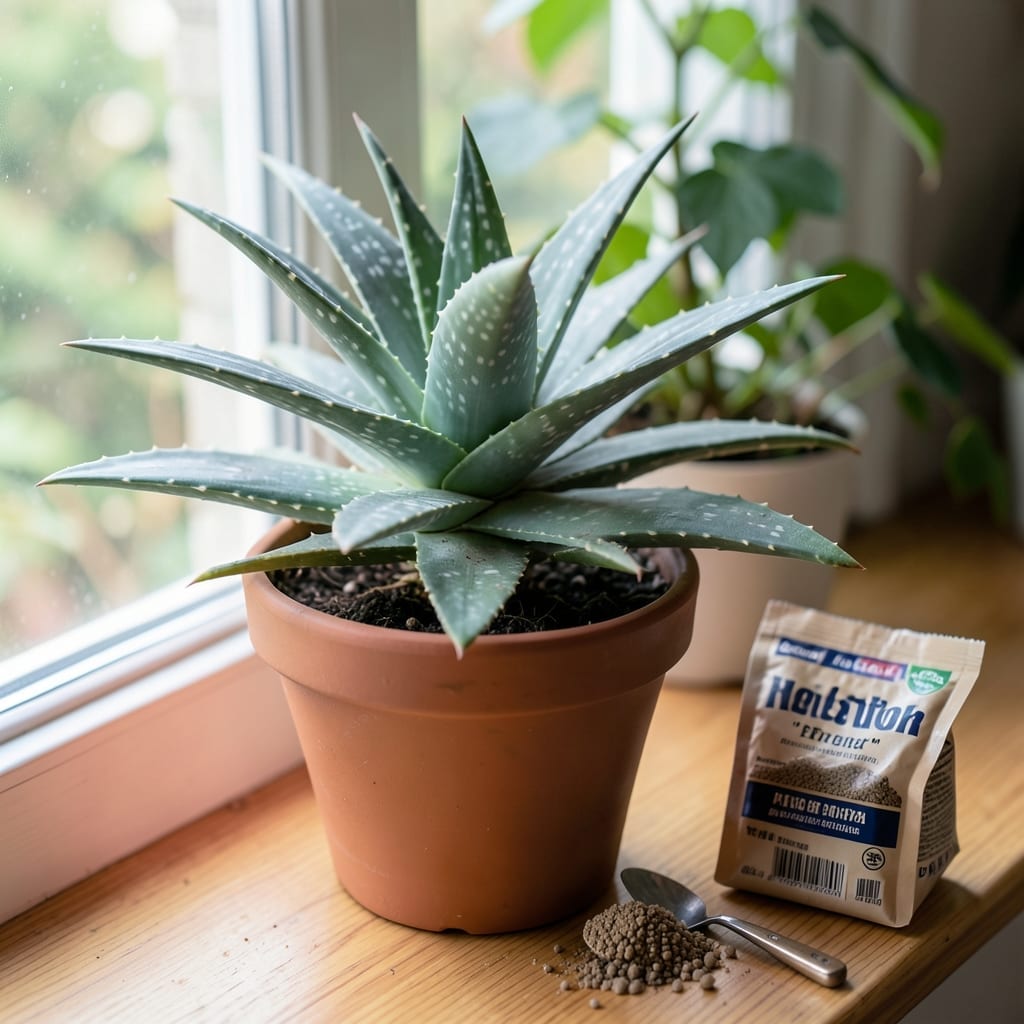
If your 🌱 Aloe Vera isn’t thriving, the issue might be simpler than you think. Many people overcomplicate plant care, but the right nutrients can make all the difference.
I’ve learned that feeding Aloe Vera isn’t about quantity—it’s about balance. Too much can harm, while too little leaves it weak. The key is understanding what this resilient plant truly needs.
Whether you’re new to gardening or have a green thumb, knowing how to nourish your Aloe Vera ensures it stays vibrant. I’ll share the most effective methods to keep it healthy.
Discover the straightforward approach to feeding your Aloe Vera so it grows strong and lush without the guesswork.
I’ve found that aloe plants thrive with a balanced fertilizer rich in nitrogen, phosphorus, and potassium. These nutrients support leaf growth, root development, and overall plant health. Aloe vera, in particular, responds well to a 10-10-10 NPK ratio during its active growing season.
When choosing food for aloe plant care, I always opt for slow-release fertilizers or organic options like compost or worm castings. These provide a steady supply of nutrients without the risk of root burn, which is common with synthetic fertilizers.
| Nutrient | Purpose | Best Source |
|---|---|---|
| Nitrogen | Leaf growth | Compost, fish emulsion |
| Phosphorus | Root development | Bone meal, rock phosphate |
| Potassium | Disease resistance | Wood ash, kelp meal |
I recommend feeding your aloe plant every 4-6 weeks during its growing season, which is typically from spring to early fall. During winter, I stop fertilizing entirely since the plant enters a semi-dormant state and doesn’t need extra nutrients.
For best results, I dilute liquid fertilizers to half-strength to avoid overfeeding. Aloe plants are succulents, meaning they store water and nutrients in their leaves. Overfertilizing can lead to salt buildup in the soil, which harms the roots.
If you prefer organic food for aloe plant care, compost tea is a fantastic option. I brew it by steeping well-aged compost in water for 24-48 hours, then strain and use it to water my aloe. This provides a gentle nutrient boost without chemicals.
Another great organic choice is worm castings. I mix a handful into the top layer of soil every 2-3 months. Worm castings improve soil structure and slowly release nutrients, which is perfect for aloe’s low-maintenance needs.
For those who prefer commercial products, I suggest a slow-release granular fertilizer designed for succulents or cacti. These are formulated to provide nutrients gradually, reducing the risk of overfeeding. Just sprinkle a small amount around the base of the plant and water lightly.
Remember, less is more with aloe plants. They’re adapted to poor, sandy soils and don’t require rich, fertile ground. Overfeeding can cause yellowing leaves or stunted growth, so always err on the side of caution.
If you notice your aloe’s leaves turning brown or mushy, it might be a sign of overfertilization. In this case, I flush the soil with water to remove excess salts and hold off on feeding for a few months.
By following these guidelines, you’ll provide the perfect food for aloe plant health, ensuring it stays vibrant and thrives for years to come. 🌱
I love using natural fertilizers for my aloe plants because they’re gentle and effective. Compost tea is a favorite—it’s packed with nutrients and easy to make at home.
Another great option is eggshell water, which provides calcium to strengthen cell walls. Banana peel fertilizer adds potassium for vibrant growth.
To make compost tea, steep well-aged compost in water for 24-48 hours, then strain and dilute before use. It’s a powerful way to deliver nutrients directly to the roots.
For eggshell water, crush dried shells and soak them in water for a week. The resulting liquid is rich in calcium, which helps prevent leaf tip burn.
Banana peels are another easy option. Soak them in water for 2-3 days, then use the water to feed your aloe. This method adds potassium and other micronutrients.
Always dilute homemade fertilizers to avoid overfeeding. A good rule is to use half-strength solutions every 4-6 weeks during the growing season.
With these natural alternatives, your aloe will thrive without harsh chemicals. 🌱