
Beautiful Plants For Your Interior
Beautiful Plants For Your Interior
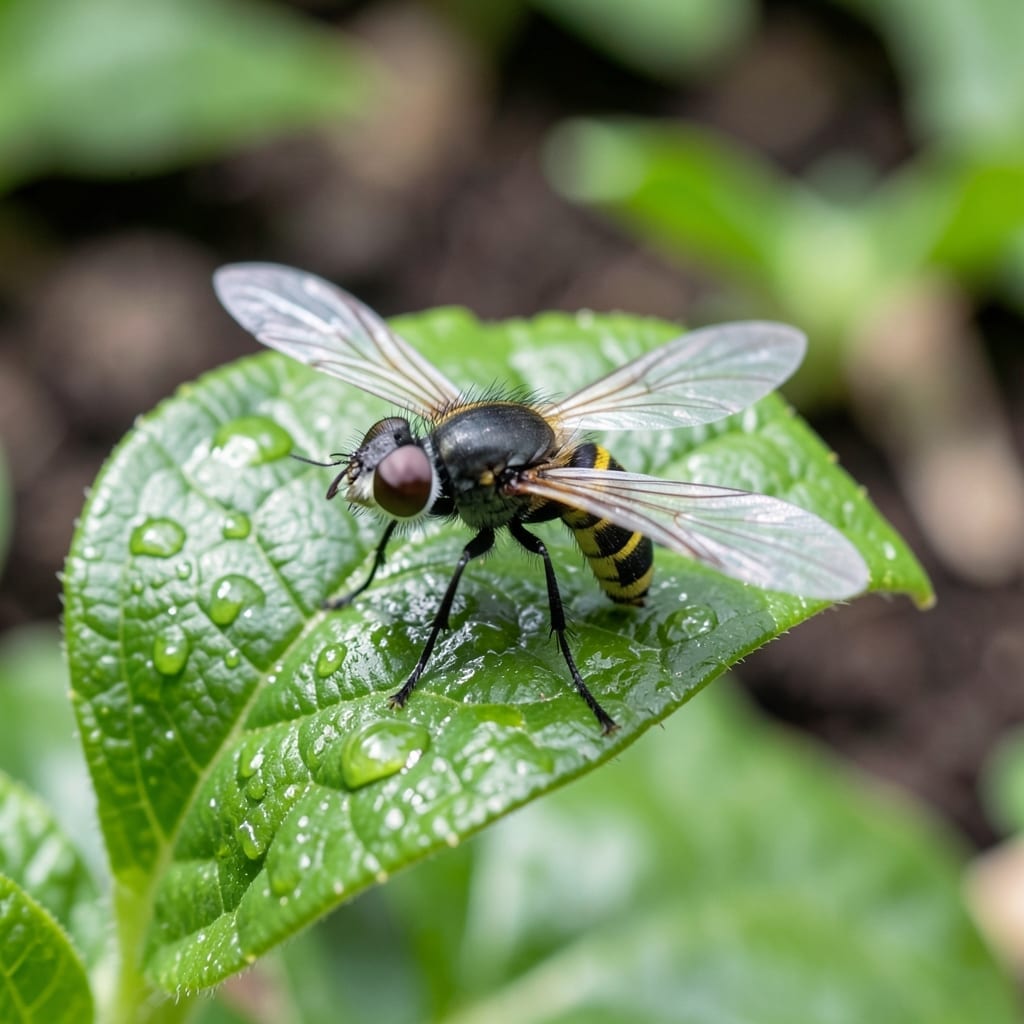
White-winged pests in your garden are more than an eyesore—they’re a warning sign. I’ve lost entire crops to these invaders before learning to spot them early.
These insects often target the undersides of leaves, where they suck sap and spread disease. The damage shows up as yellowing foliage, stunted growth, or a sticky residue that attracts more trouble.
Organic solutions like neem oil or insecticidal soap work if you catch them fast. For severe cases, targeted sprays can save your plants before it’s too late.
Check your plants weekly, especially in warm weather. Early action means the difference between a minor hiccup and a full-blown disaster.
Understanding why these flying insects with white wings appear in your space is the first step toward effective control. Below are the most common causes, explained with actionable insights.
Many white-winged insects, like fungus gnats or whiteflies, thrive in damp environments. Overwatered houseplants, compost piles, or rotting wood create ideal breeding grounds. The larvae feed on fungi and decomposing material, while adults emerge to spread. Fix it: Reduce watering, improve drainage, and remove decaying matter promptly.
Stagnant air and high humidity attract moisture-loving pests such as whiteflies or mealybugs. Greenhouses, bathrooms, or cluttered storage areas are hotspots. These insects lay eggs in hidden crevices, multiplying rapidly. Fix it: Use fans, dehumidifiers, or open windows to improve airflow and lower humidity levels.
Infected soil or newly purchased plants can introduce white-winged pests into your home. Common culprits include aphids, whiteflies, or scale insects hitchhiking on foliage. Fix it: Inspect new plants thoroughly, quarantine them for a week, and use sterile potting soil.
Exposed food, unsealed trash, or grease buildup in kitchens can draw pests like drain flies or pantry moths. These insects are drawn to organic residues, where they lay eggs. Fix it: Store food in airtight containers, clean drains regularly, and take out trash frequently.
Dealing with white-winged flying insects can be frustrating, but these targeted solutions will help you reclaim your space. Below, we’ve mapped common causes to effective fixes, plus prevention tips to keep them from returning.
Fix: Drain or cover any stagnant water sources, such as pet bowls, plant saucers, or clogged gutters. For larger bodies like ponds, introduce mosquito-eating fish or use Bacillus thuringiensis israelensis (Bti) dunks.
Prevention: Regularly check outdoor areas for water accumulation, especially after rain. Ensure downspouts direct water away from your home’s foundation.
Fix: Prune dense shrubs, mow tall grass, and remove leaf litter where these pests hide. For severe infestations, apply an insecticidal soap or neem oil spray to affected plants, focusing on the undersides of leaves.
Prevention: Maintain your yard by raking debris and keeping plants spaced apart for better airflow. This reduces damp, shaded spots they love.
Fix: Install fine mesh screens on windows and doors, and seal cracks in walls, foundations, or around utility lines with caulk. Use door sweeps to close gaps under exterior doors.
Prevention: Inspect your home seasonally for new gaps or tears in screens. Replace damaged screens promptly to block entry.
Fix: Switch to yellow bug lights or LED bulbs, which are less attractive to flying insects. Place lights away from seating areas or entryways to draw pests elsewhere.
Prevention: Turn off unnecessary outdoor lights at night, or use motion-sensor lights to limit exposure.
Pro Tip ✨: For immediate relief indoors, use a vacuum to capture flying insects, then empty the bag or canister outside. A fan can also deter them by creating airflow they avoid.
These are likely whiteflies or aphids, common pests that cluster on leaf undersides. They suck plant sap, causing yellowing or stunted growth.
They don’t bite humans but can spread plant diseases rapidly. Their sticky residue (honeydew) also attracts mold.
Inspect new plants, use sterile soil, and maintain good airflow. Yellow sticky traps can catch adults early.
Yes, neem oil disrupts their life cycle. Apply in the evening, coating leaf undersides for best results.