
Beautiful Plants For Your Interior
Beautiful Plants For Your Interior
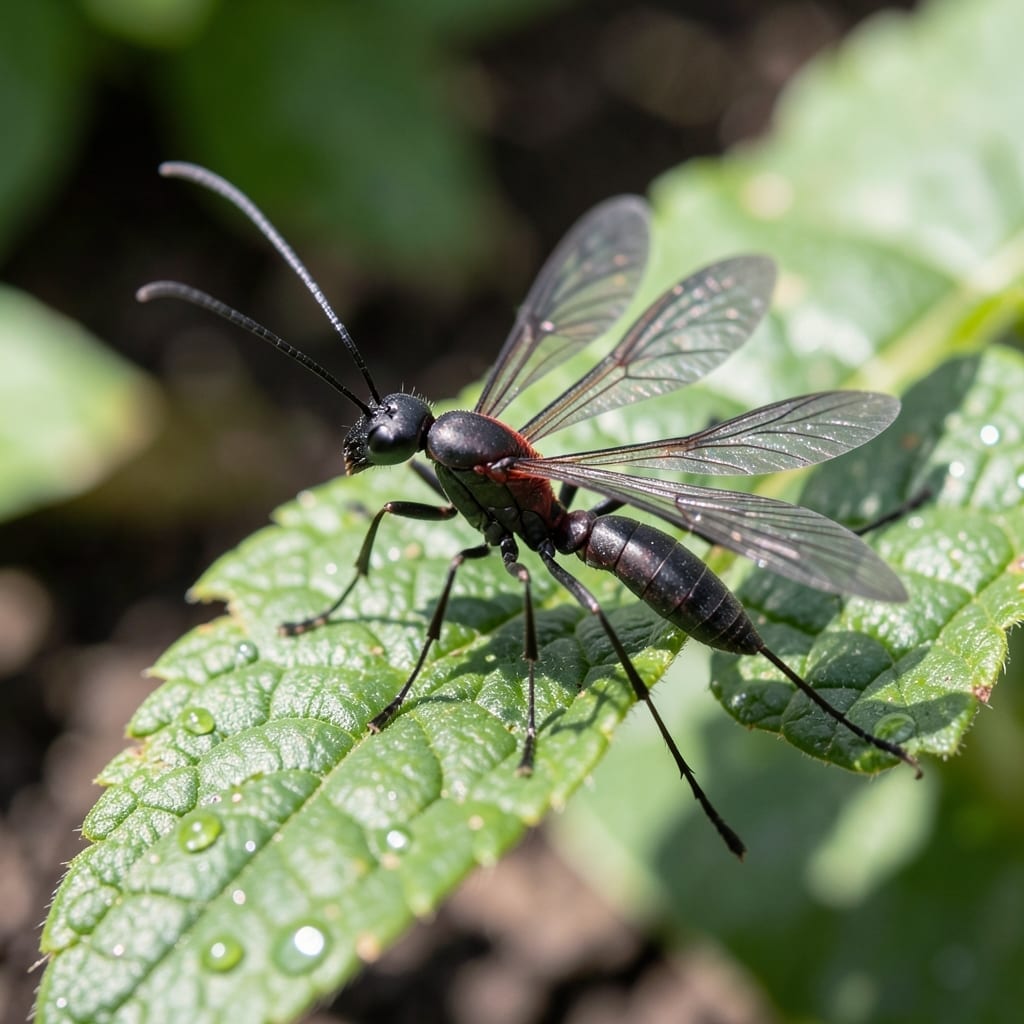
Spotted winged insects around your garden and wondering what they are? I’ve seen my share of flying ants during warm months, and telling them apart from termites isn’t always obvious at first glance.
These swarmers have a distinct pinched waist and bent antennae that set them apart. Their wings are clear with visible veins, and they’re often seen in clusters near windows or outdoor lights.
What you notice most is their behavior—they don’t fly in straight lines like termites. Instead, they move in that erratic, stop-and-start pattern that drives gardeners crazy.
Identifying them correctly means knowing whether you’re dealing with a temporary nuisance or a sign of a larger colony nearby. Here’s how to spot the difference with certainty.
Flying ants, often mistaken for termites, emerge for specific biological reasons. Here’s why you see them swarming:
Flying ants are reproductive alates—future queens and males—launched during nuptial flights. This typically occurs in warm, humid weather (spring to summer), when colonies release swarmers to mate and establish new nests. The synchronized timing ensures genetic diversity and survival.
Mature ant colonies produce flying ants as a natural part of their lifecycle. When resources or space become limited, the colony triggers swarming to spread and colonize new areas. This is purely instinctual, not a sign of infestation in your home.
Rain, temperature spikes, or even barometric pressure changes can prompt swarming. These conditions signal ideal mating and nesting opportunities. If you spot them indoors, it often means a hidden colony nearby is mature enough to reproduce.
Actionable Tip: Sealing entry points and reducing moisture can deter future swarms from settling in your space.
Dealing with flying ants can be frustrating, but these practical solutions will help you eliminate and prevent them effectively.
If flying ants are indoors, vacuum them up immediately to remove existing swarmers. Dispose of the vacuum bag outside to prevent escape. For a more thorough fix, use ant baits near entry points—they’ll carry the poison back to the colony. Prevention tip: Seal cracks in walls, windows, and doors to block entry. Store food in airtight containers to avoid attracting them.
For outdoor nests, locate the mound and apply insecticidal dust or granular bait directly to the nest. This targets the colony at the source. Prevention tip: Trim tree branches and shrubs away from your home to reduce nesting sites. Keep your yard free of standing water and debris where ants thrive.
Prefer chemical-free options? Spray a vinegar-water solution (1:1 ratio) on ants to disrupt their scent trails. Diatomaceous earth is another great natural fix—sprinkle it near entry points to dehydrate and kill ants. Prevention tip: Plant ant-repelling herbs like mint, basil, or lavender around your home’s perimeter.
💡 Pro tip: Act fast at the first sign of flying ants—swarmers signal a mature colony nearby, and early intervention prevents a full-blown infestation.
Look for a pinched waist and bent antennae—termites have straight antennae and no waist. Their wings are also different: ant wings have visible veins, while termite wings are uniform.
Warm, humid conditions trigger mating flights. This is when future queens and males leave the colony to reproduce and establish new nests. It’s a natural part of their lifecycle.
They don’t damage wood like termites, but their presence indoors may signal a hidden nest. Addressing the source prevents future swarms and potential food contamination.
Vacuum them up immediately and dispose of the bag outside. Use ant baits near entry points to target the colony. Seal cracks to prevent more from entering.