
Beautiful Plants For Your Interior
Beautiful Plants For Your Interior
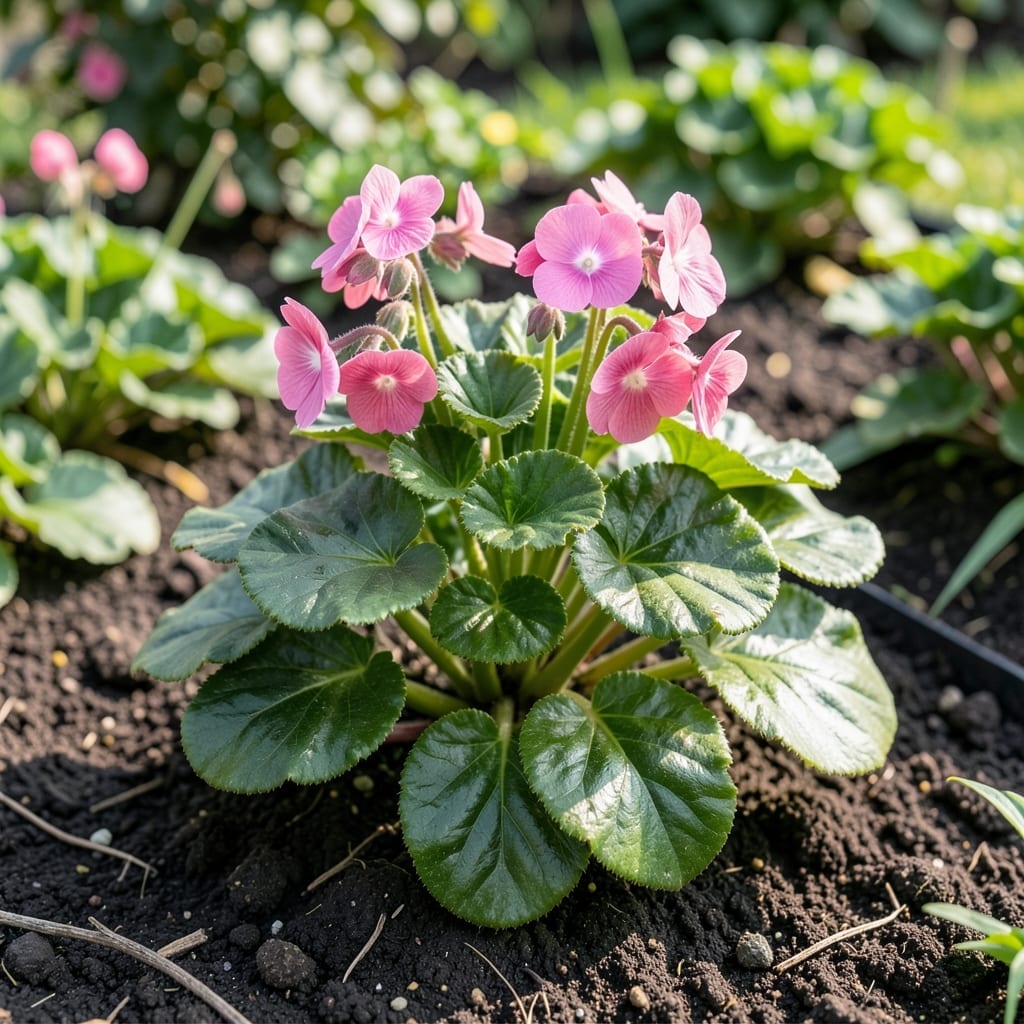
Bee-free blooms create peaceful gardens without the buzz. I discovered these plants after years of sneezing through summer, and they’ve been a game-changer for allergy sufferers.
These flowers thrive with minimal care and won’t draw bees to your space. Many are wind-pollinated, so they focus on color and form instead of nectar.
You’ll get vibrant displays that stay tidy, with no risk of stings or allergic reactions. Perfect for patios, balconies, or anywhere you want beauty without the bees.
Works in any climate, from dry heat to cool shade. Here’s how to grow them right.
Bees are naturally drawn to flowers that offer nectar and pollen, but certain blooms have evolved traits that make them less appealing—or even invisible—to these pollinators. Here’s why some flowers don’t attract bees:
Many bee-resistant flowers simply don’t produce the rewards bees seek. Plants like double-flowered varieties (e.g., some roses or peonies) have been selectively bred for extra petals, often at the expense of their nectar-producing structures. Without these resources, bees have no incentive to visit.
Bees see the world in ultraviolet (UV) light and are most attracted to blue, purple, and yellow hues. Flowers in red, orange, or deep pink may appear dull or invisible to them. For example, red salvia is often overlooked by bees but hummingbirds can spot it easily.
While many flowers use fragrance to lure pollinators, some emit scents that bees dislike. Highly perfumed flowers like certain lilies or gardenias may produce compounds that bees associate with danger or low reward, causing them to avoid the bloom entirely.
Some flowers have structural defenses that prevent bees from accessing their reproductive parts. Tubular or deeply hidden nectaries (e.g., in foxgloves) may only be reachable by long-tongued pollinators like hummingbirds, leaving bees unable to feed.
Understanding these factors helps gardeners choose the right flowers for a bee-free yet vibrant landscape.
If your garden is filled with flowers that do not attract bees, don’t worry—there are simple ways to turn it into a pollinator paradise. Below are practical solutions to address common reasons why bees might be avoiding your blooms, along with prevention tips to keep them coming back.
If your current flowers aren’t bee-approved, swap them for varieties known to attract pollinators. Opt for lavender, sunflowers, coneflowers, or borage, which are bee favorites. Plant in clusters to create a “buffet” effect that’s hard for bees to resist. Prevention tip: 💡 Avoid hybridized or double-bloom flowers, as they often lack accessible pollen or nectar.
Pesticides, even organic ones, can deter or harm bees. Switch to natural pest control methods like companion planting (e.g., marigolds to repel pests) or introducing beneficial insects like ladybugs. Prevention tip: 🌡️ Water plants in the early morning to avoid trapping bees in wet foliage and to reduce the need for fungicides.
Bees need food from early spring to late fall. If your garden only blooms in one season, add early bloomers (crocuses, snowdrops) and late bloomers (asters, goldenrod) to provide a steady food supply. Prevention tip: ✨ Plant perennials that return yearly to save effort and ensure continuous blooms.
Bees need water to survive, and a shallow dish with pebbles (so they don’t drown) can make your garden more inviting. Place it near your flowers but in a sunny spot. Prevention tip: 🎯 Keep the water fresh—change it every 2-3 days to prevent mosquito breeding.
Small changes can make a big difference in transforming your garden into a haven for bees and other pollinators!
Some gardeners prefer them to avoid bee stings or allergic reactions. They’re also great for patios and balconies where you want blooms without the buzz.
Not at all! Many wind-pollinated flowers like red salvia or deep pink peonies are just as striking. Bees simply can’t see their hues as well.
Most are low-maintenance, thriving in standard conditions. Focus on well-draining soil and regular watering, just like other garden favorites.
Yes, but keep them in separate areas. This lets you enjoy both bee-free zones and pollinator-friendly sections in the same garden.