
Beautiful Plants For Your Interior
Beautiful Plants For Your Interior
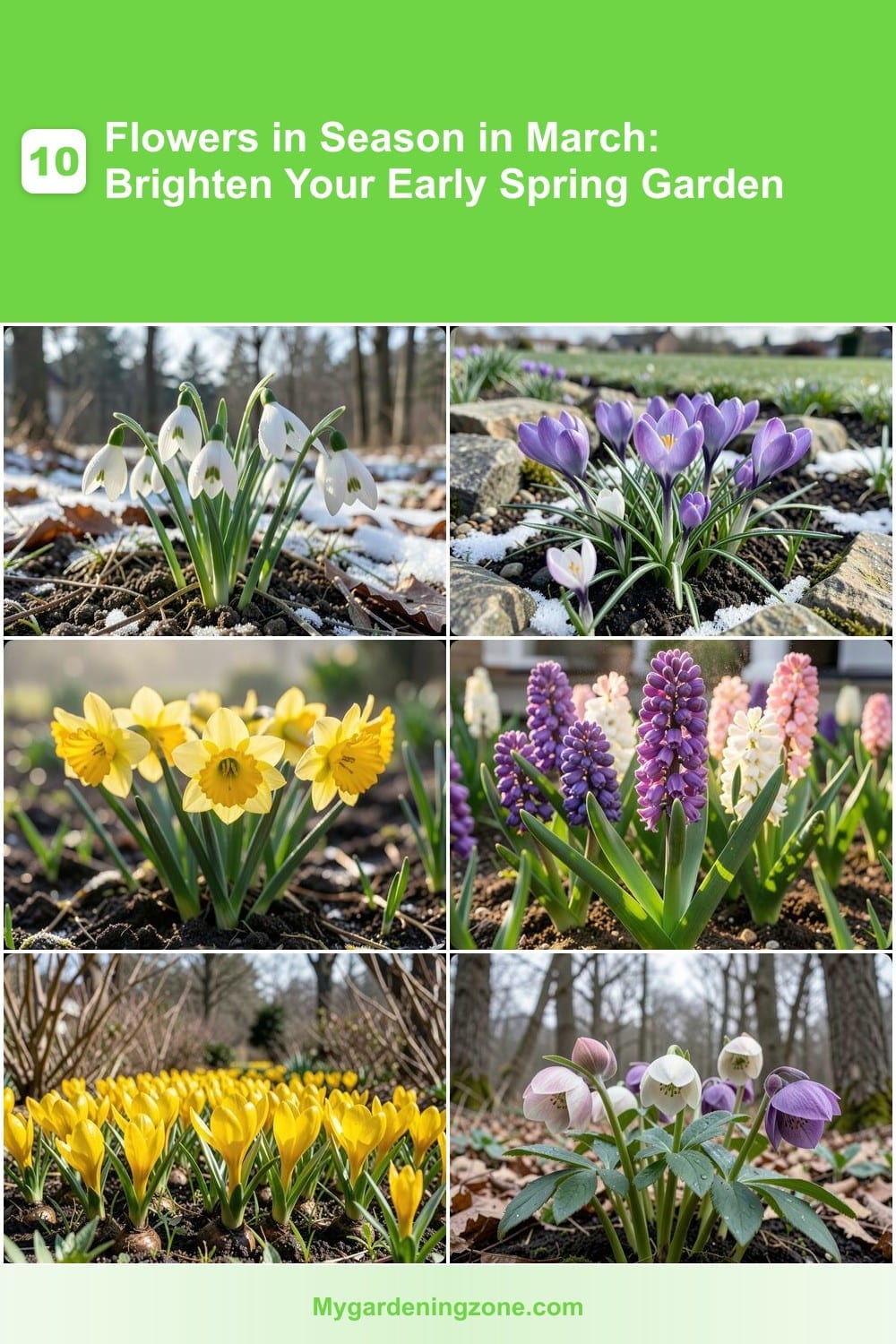
March marks the transition from winter to spring, bringing a fresh wave of colorful blooms. These ten flowers thrive in early spring conditions, offering vibrant options to rejuvenate your garden after the cold months.
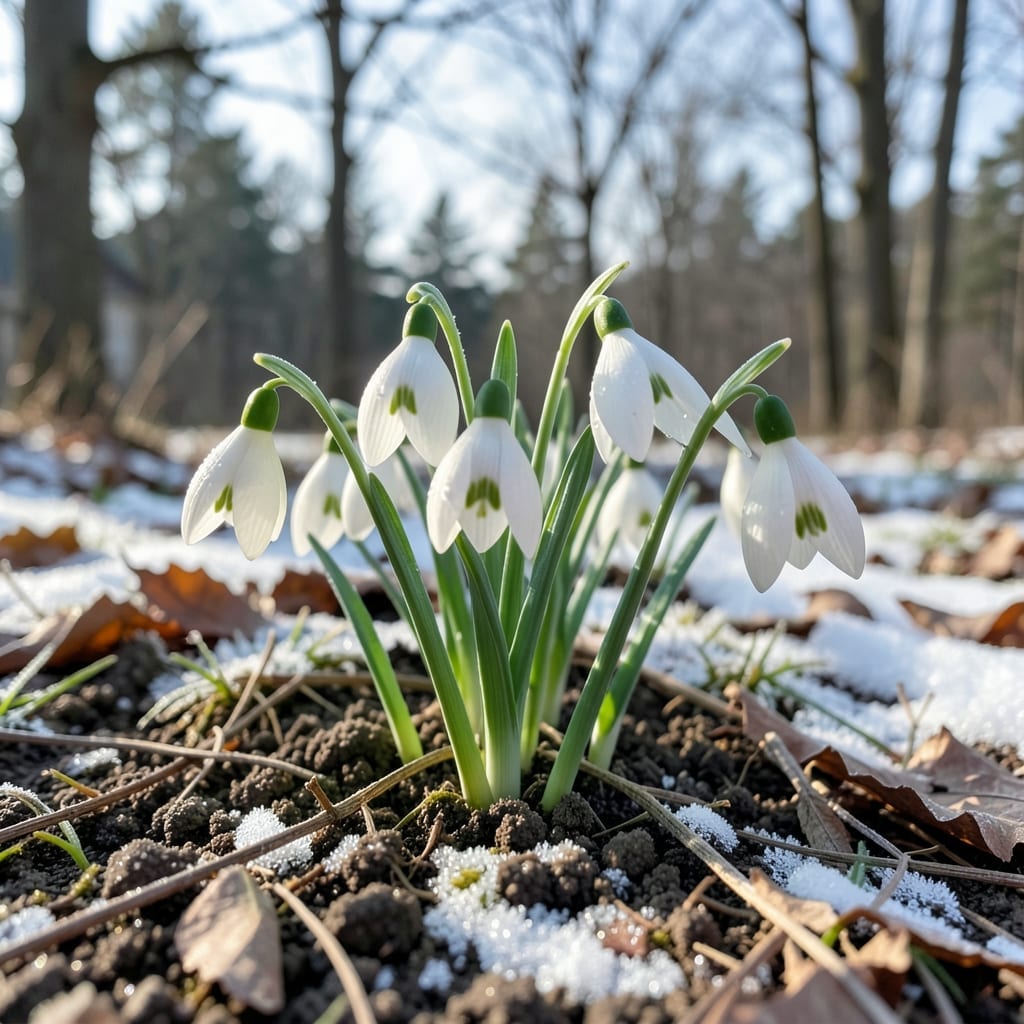
When winter’s grip still lingers, snowdrops emerge as nature’s hopeful messengers. These delicate white blooms often push through frost and snow, signaling that spring is on its way even in the coldest climates.
Plant snowdrop bulbs in fall for early March flowers. They thrive in partial shade and moist, well-drained soil, naturalizing over time to create expanding drifts. Their nodding white bells look especially magical when planted under deciduous trees.
Perfect for gardeners in colder zones who want the first splash of color. These resilient flowers require almost no maintenance once established. 🌱
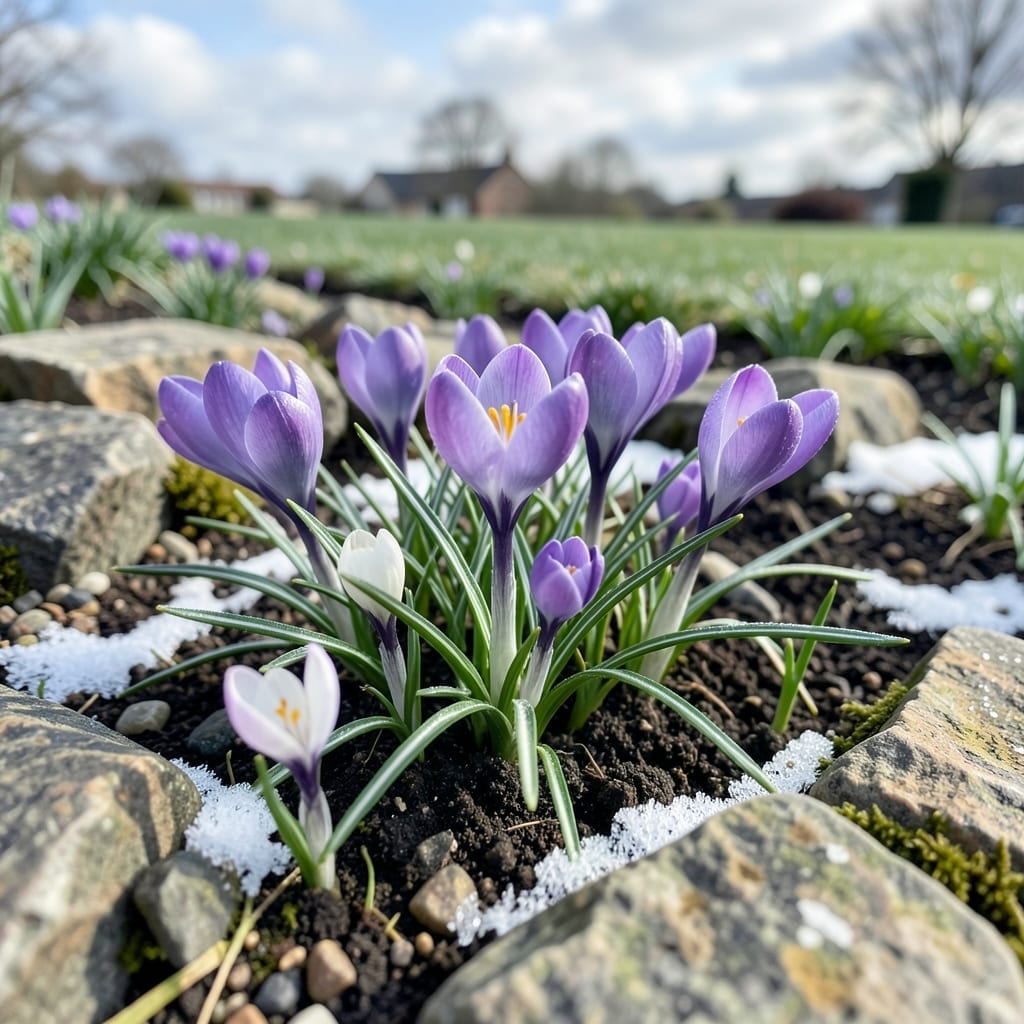
When you need a burst of early color before most plants wake up, crocus deliver. These low-growing perennials pop up through the last of winter’s chill, bringing cheerful purple and white blooms to rock gardens and lawn edges.
Plant corms in well-drained soil in fall for naturalizing displays that expand yearly with little effort. They thrive in full sun to partial shade and often bloom before the grass needs its first mow. Perfect for gardeners who want color without the fuss.
Ideal for busy homeowners or those new to gardening, crocus require almost no maintenance once established. 💚
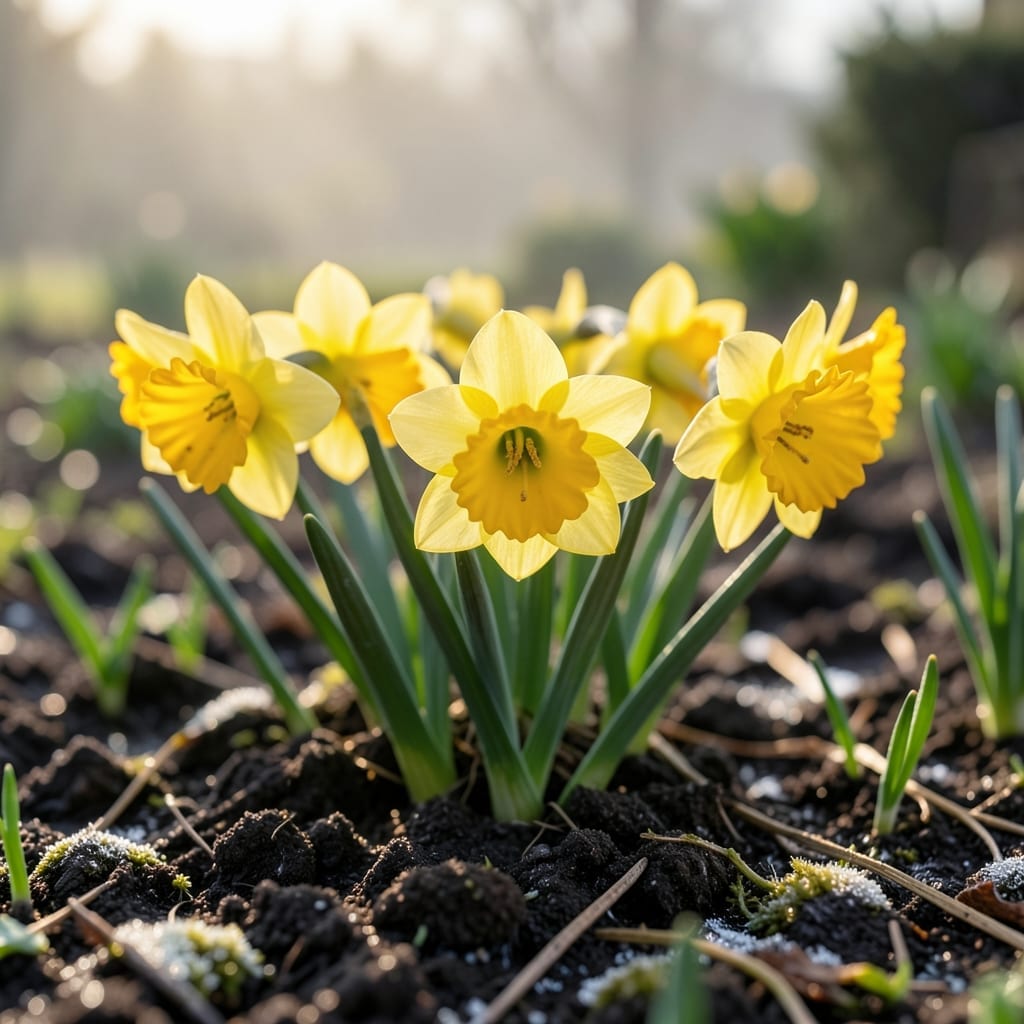
Nothing says spring like the bright, trumpet-shaped blooms of daffodils pushing through the thawing earth. Their bold yellow hues create an instant mood boost after winter’s gray.
These perennials are deer-resistant and thrive with minimal care—just plant bulbs in fall for March color. They naturalize over time, returning yearly with larger displays. Their long vase life also makes them perfect for cutting.
Ideal for gardeners who want reliable, low-maintenance cheer in early spring borders or woodland edges. 🌷
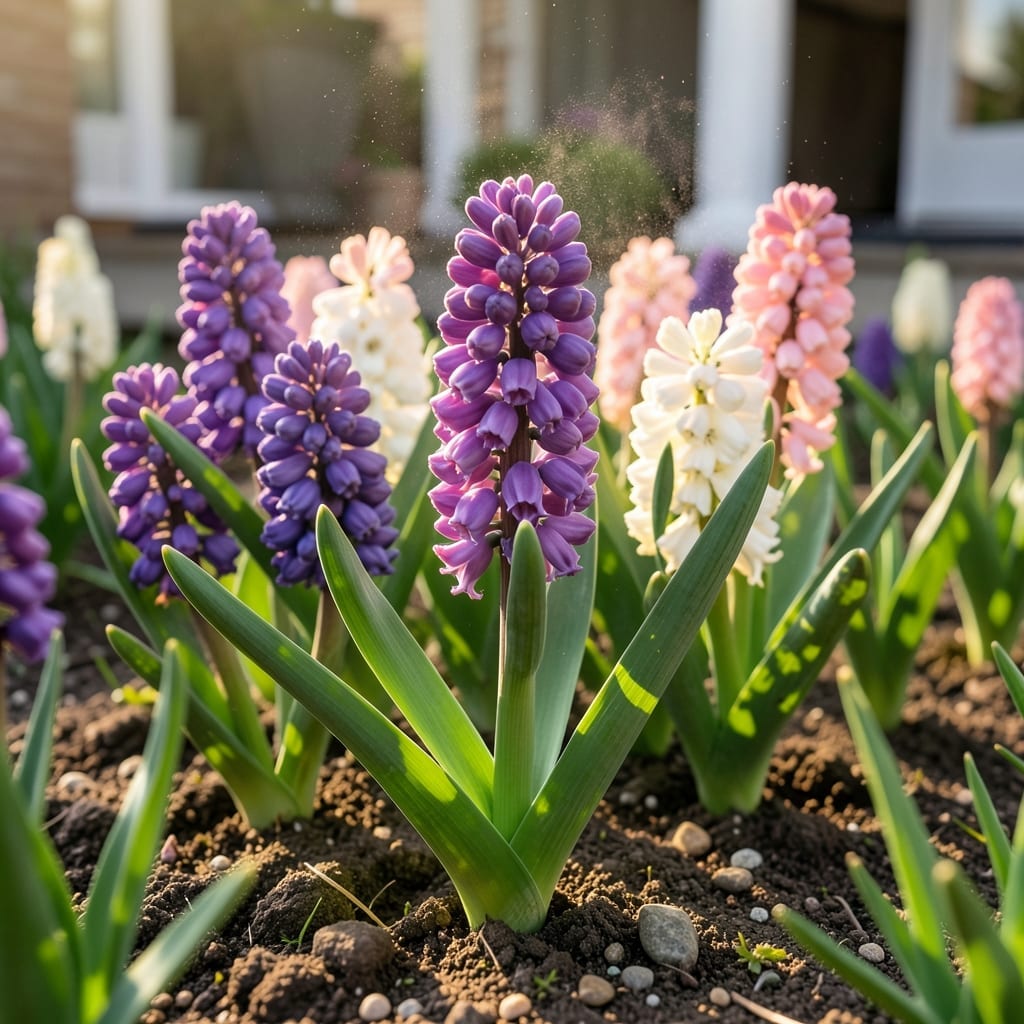
Nothing beats the sweet perfume of hyacinths filling a March garden as winter fades. Their dense, colorful spikes pack a powerful fragrance into a small space, making them perfect for patios and entryways.
Plant bulbs in well-draining soil in fall for spring blooms. They thrive in full sun to partial shade and require minimal care once established, just occasional watering during dry spells.
Ideal for urban gardeners or anyone wanting to maximize scent in small areas. Their compact size works beautifully in containers or border edges where you can enjoy their aroma up close. 🌷
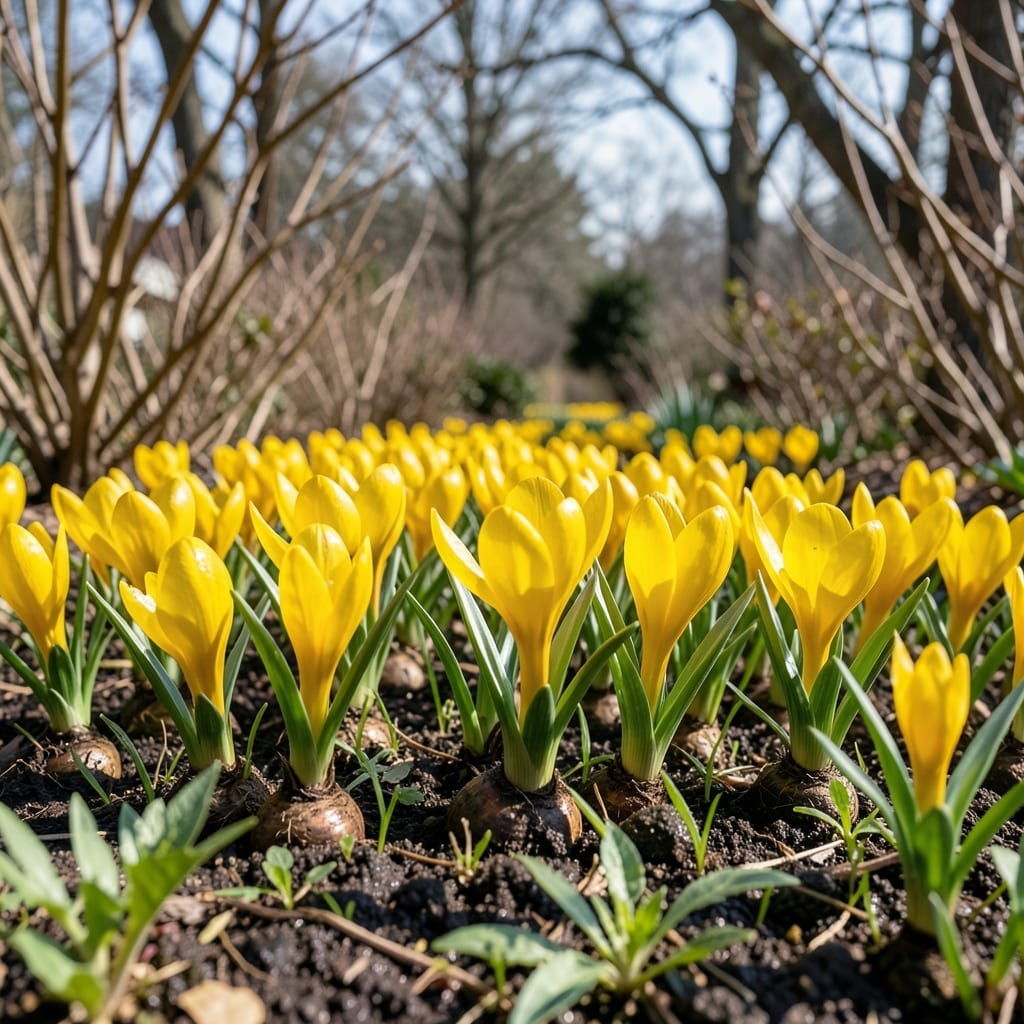
Tired of battling early spring weeds before your garden wakes up? Winter aconite is your natural solution, forming a sunny yellow carpet that chokes out unwanted growth while adding cheerful color.
This spreading perennial thrives in partial to full shade and moist, well-drained soil. Plant tubers in fall for March blooms that multiply yearly with zero effort. Its fern-like foliage disappears by summer, making space for other plants.
Perfect for busy gardeners who want weed suppression and early color without the fuss. 🌿
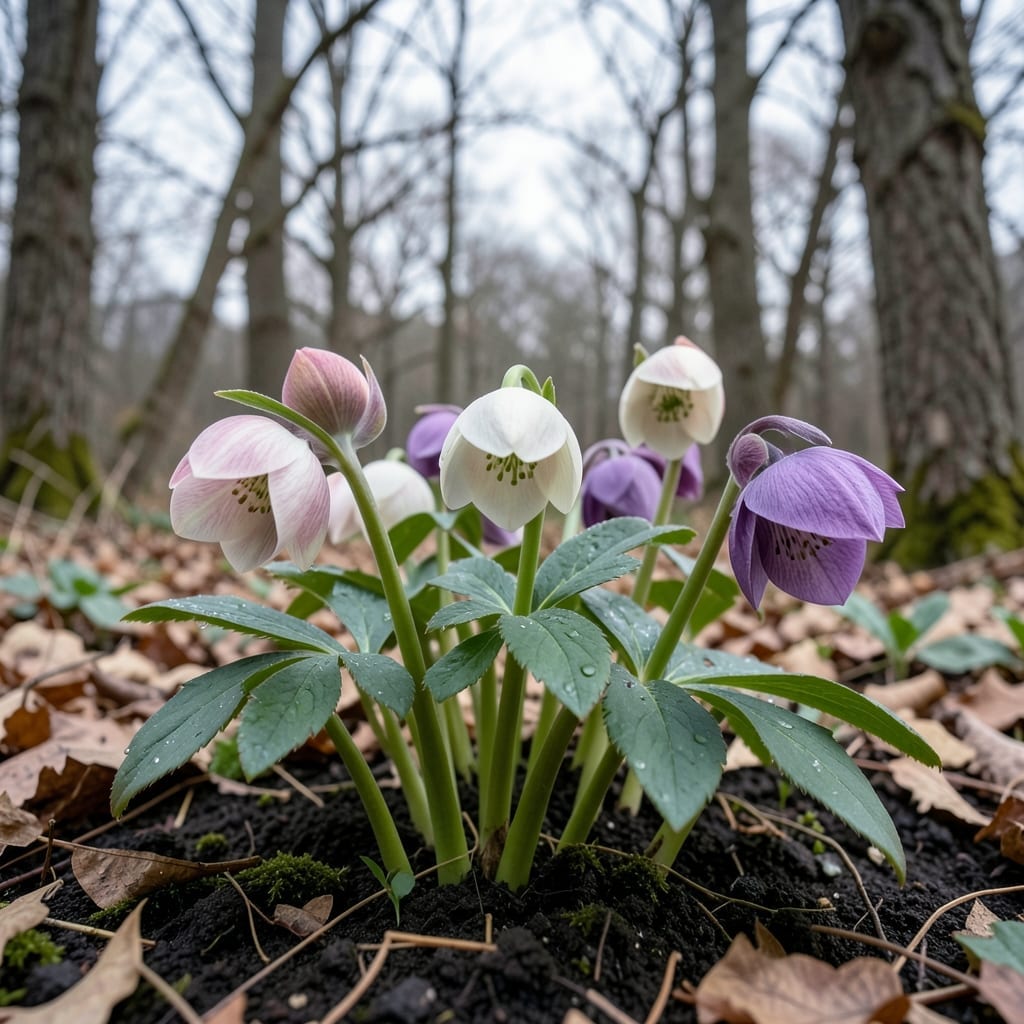
When other plants are still dormant, helleborus steals the show in shaded spots. These elegant perennials produce delicate, nodding flowers in shades of white, pink, or deep purple, bringing rare color to woodland gardens when little else blooms.
They thrive in partial to full shade and moist, well-drained soil. Plant them under trees or along north-facing walls for best results. Their evergreen foliage provides year-round interest, while the flowers often last 6-8 weeks from late winter into spring.
Ideal for gardeners seeking low-maintenance sophistication in shady areas. Their deer resistance makes them perfect for woodland settings. 🌿
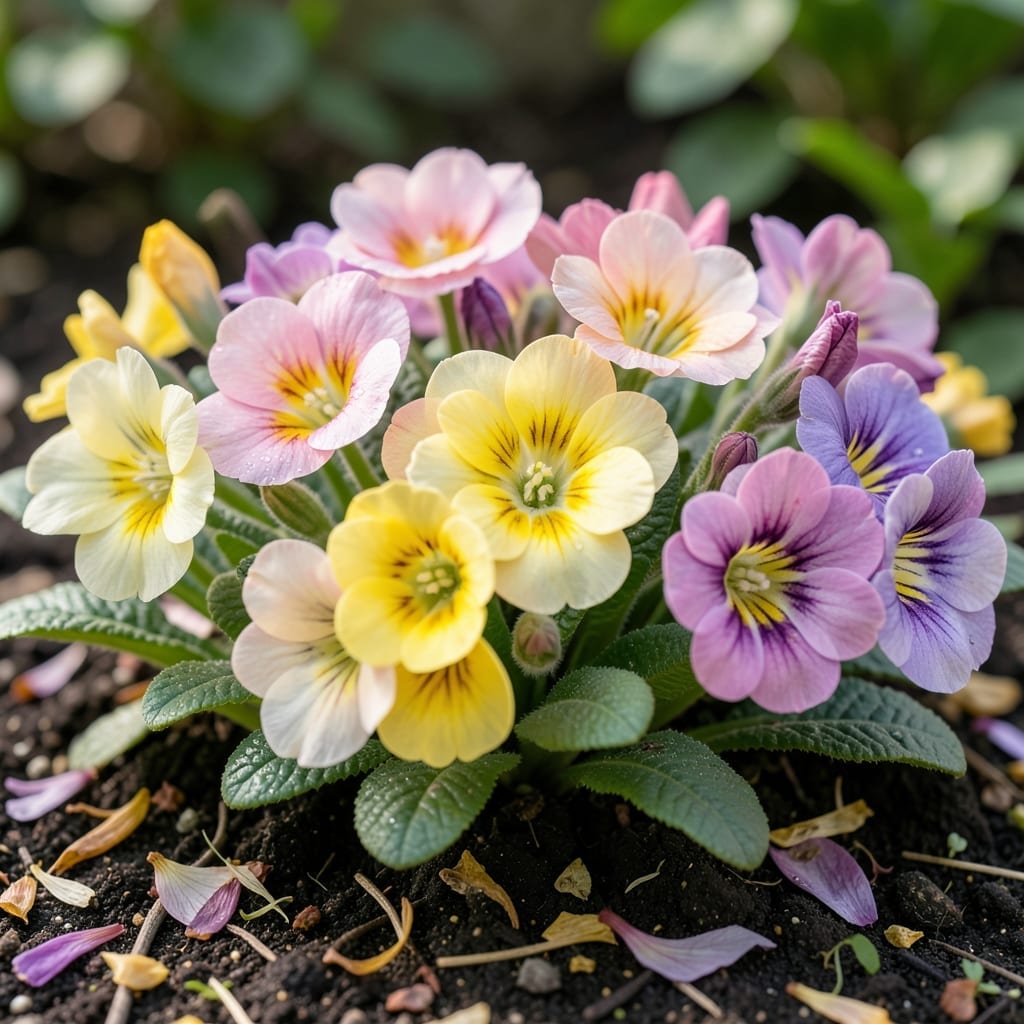
When you need a rainbow of colors to chase away the last of winter’s gloom, primroses deliver. These cheerful perennials bloom in shades of pink, yellow, purple, and more, often when temperatures are still chilly.
They thrive in partial shade and moist, well-drained soil, making them perfect for early containers or the front of borders. Primroses are cold-hardy and can even handle light frosts, so you can plant them early without worry.
Ideal for gardeners who want low-maintenance, high-impact color in March. Their compact size fits beautifully in window boxes or along pathways. 🌷
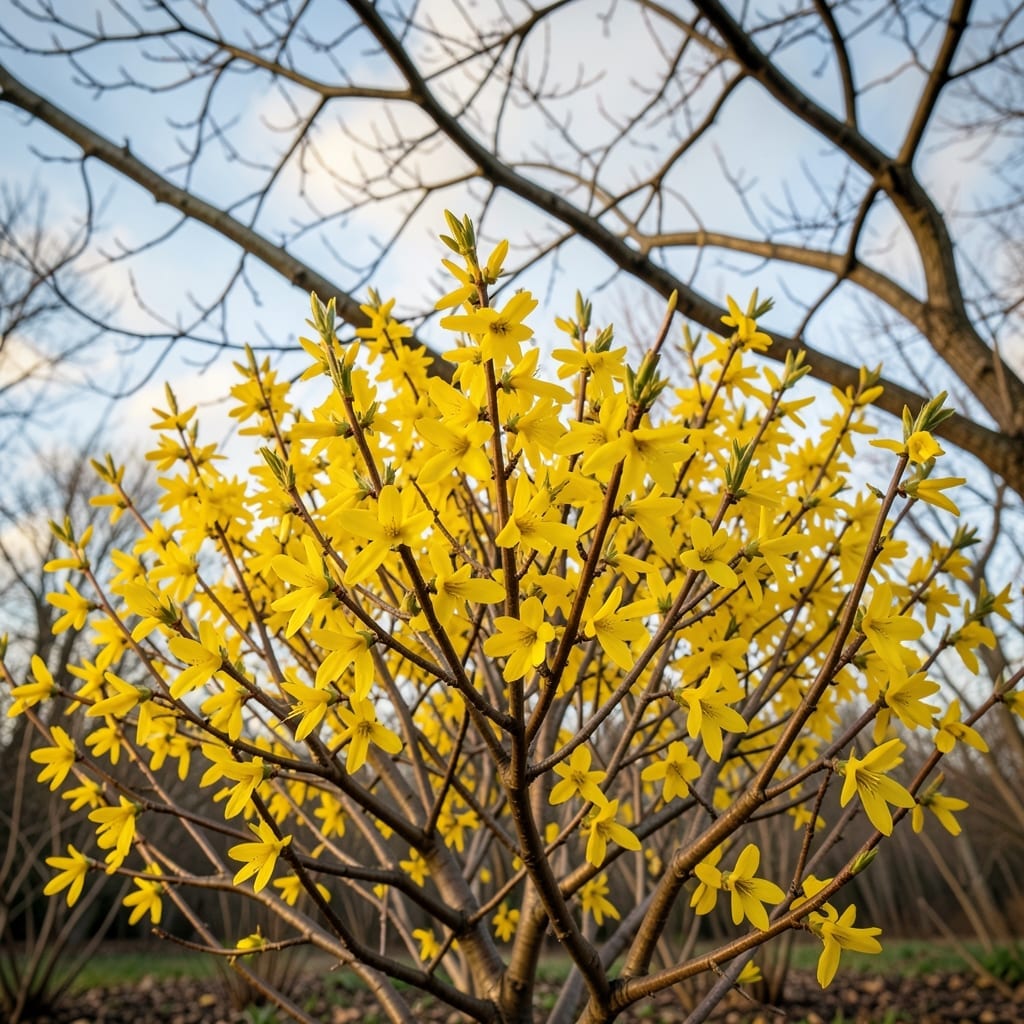
Before most plants wake up, forsythia steals the spring show with its explosion of bright yellow flowers on bare branches. This deciduous shrub creates a breathtaking focal point, signaling that warmer days are ahead.
Plant in full sun to partial shade and well-drained soil for best results. Its arching branches, covered in blooms, work beautifully as a hedge, screen, or standalone specimen. Prune right after flowering to shape and encourage next year’s display.
Perfect for gardeners who want bold, low-maintenance color that announces spring’s arrival from a distance. 🌟
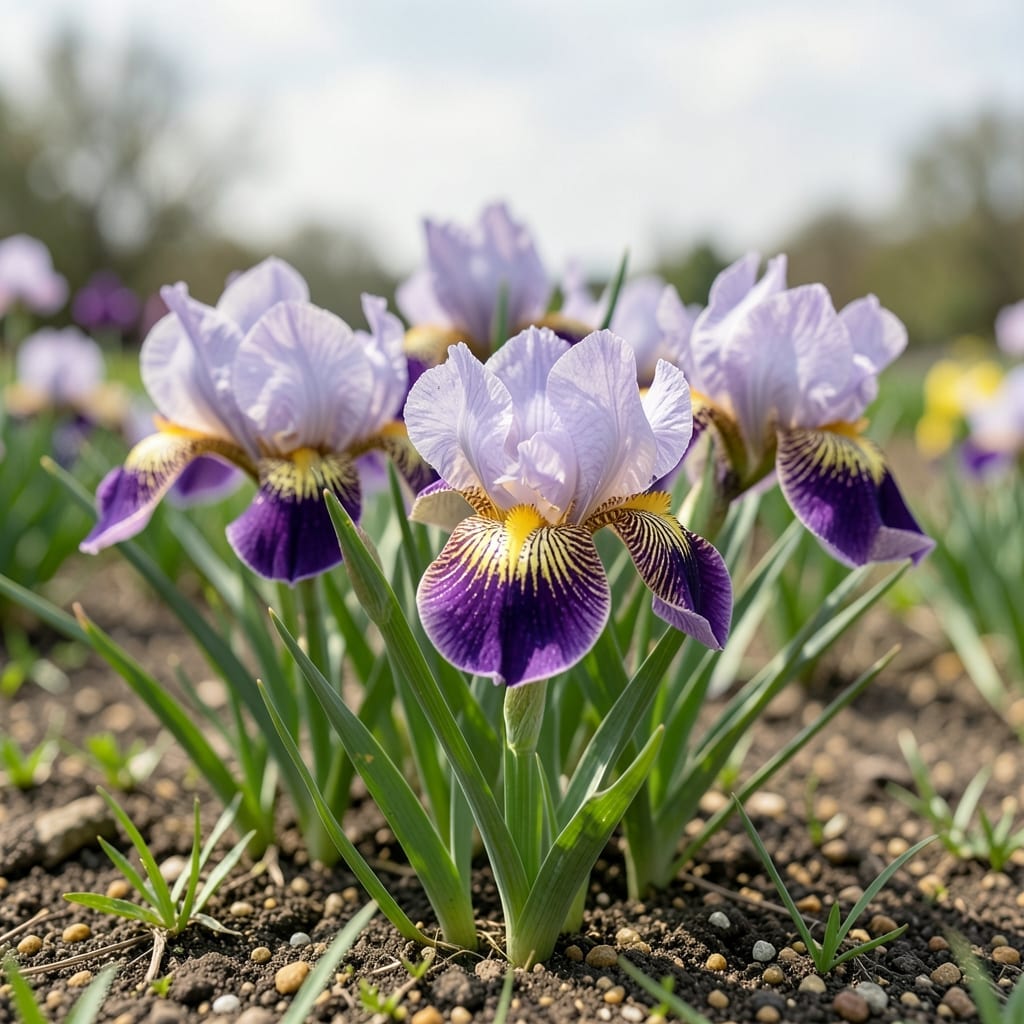
For a touch of elegance in early spring, iris reticulata brings intricate beauty to small spaces. These dwarf irises showcase stunning purple and yellow patterns on their delicate petals, creating a jewel-like display when most gardens are still waking up.
Plant bulbs in fall in well-drained soil and full sun to partial shade for March blooms. They’re perfect for rock gardens, pathway edges, or containers where their petite size (4-6 inches tall) can shine. These low-maintenance plants naturalize over time, returning each year with more flowers.
Ideal for gardeners who appreciate detailed beauty in compact spaces without demanding care. 🌟
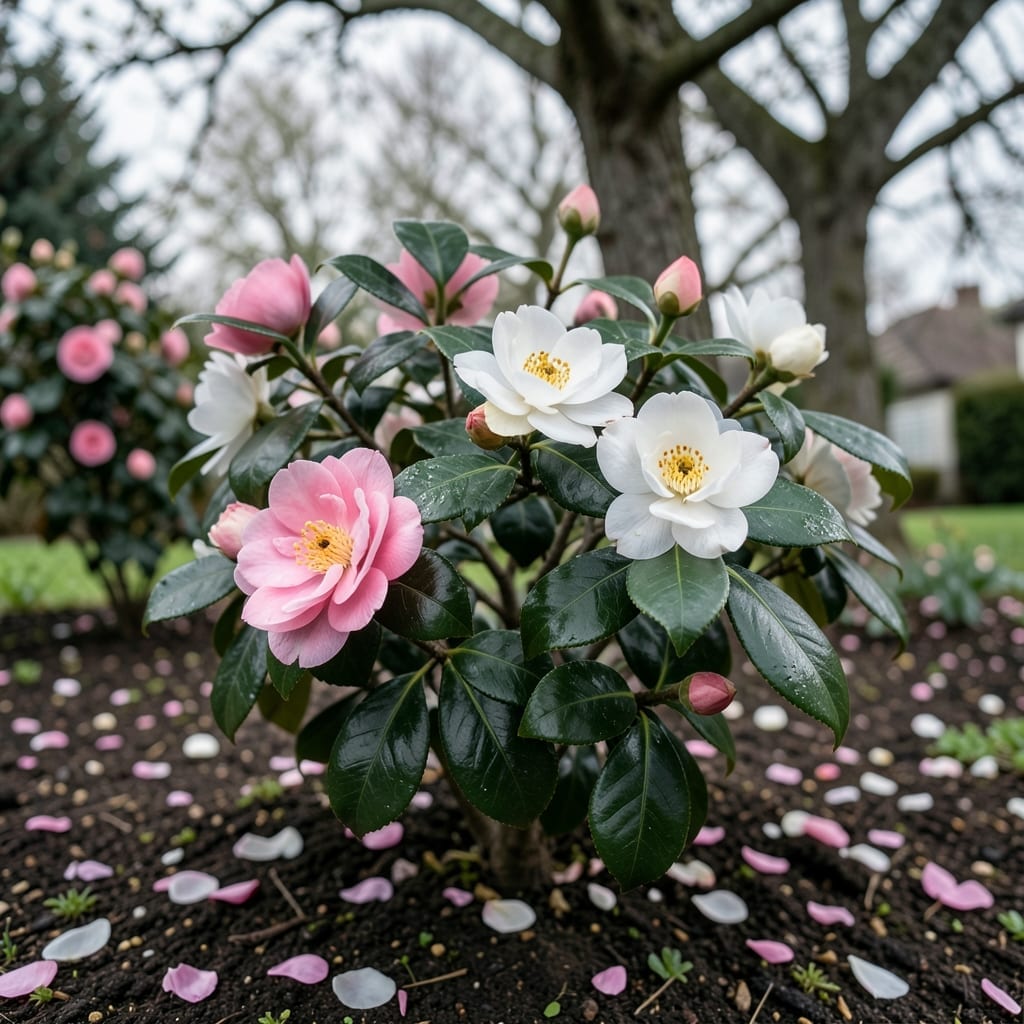
For gardens that need year-round structure with a burst of spring color, camellias deliver both. This broadleaf evergreen keeps its glossy foliage through all seasons, then surprises with lush pink or white blooms each March.
Plant in partial shade and acidic, well-drained soil for best results. Its slow growth habit makes it perfect for foundation plantings or as a specimen shrub. The flowers appear just as winter fades, offering elegant contrast against the dark green leaves.
Ideal for gardeners who want evergreen interest plus seasonal color without demanding care. 🌿