
Beautiful Plants For Your Interior
Beautiful Plants For Your Interior
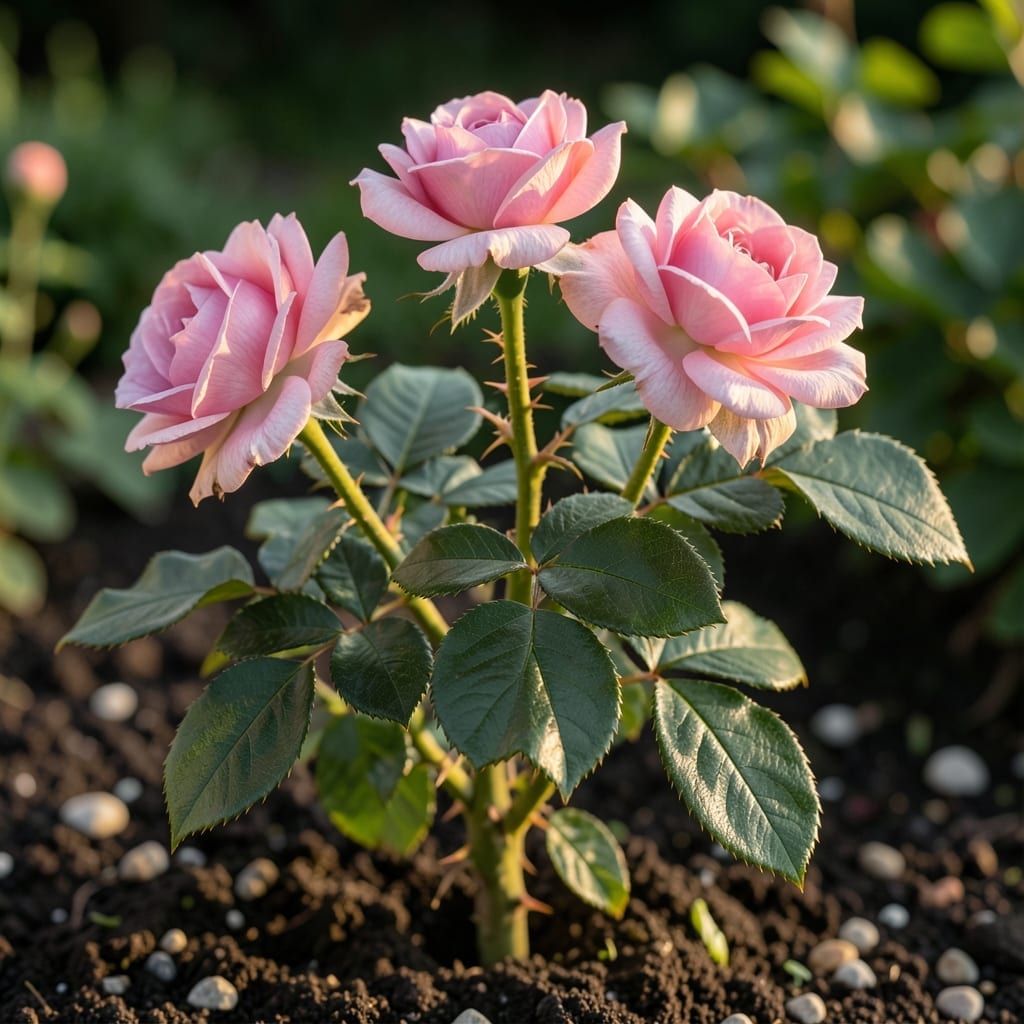
Roses captivate gardeners with their stunning blooms, but knowing when to expect those vibrant 🌹 flowers can make all the difference in planning and care. The timing varies by type, climate, and growing conditions.
I’ve learned that understanding these patterns is the key to enjoying longer, more abundant blooming periods. Whether you’re growing hybrid teas or climbers, each variety has its own rhythm.
Let me walk you through how to maximize your rose’s flowering potential. You’ll discover practical tips to extend the season and avoid common pitfalls that cut blooms short.
I’ve found that rose blooming seasons vary dramatically by type. Hybrid teas typically flower from late spring to first frost, offering multiple flushes in warmer climates. These repeat bloomers are garden favorites for good reason. 🌹
Climbing roses often follow a similar pattern but may have a massive first flush in early summer, with sparse repeat blooms later. Older varieties like once-blooming ramblers put on a spectacular show just once per year, usually in early summer.
| Rose Type | Bloom Season | Flowering Pattern |
|---|---|---|
| Hybrid Tea | Late spring to frost | Repeat blooming |
| Floribunda | Late spring to frost | Continuous clusters |
| Climbing | Early summer + repeats | Heavy first flush |
| Rambler | Early summer | Once-blooming |
| Shrub | Spring to frost | Repeat or continuous |
In my experience, shrub roses are the most forgiving. Many modern varieties like Knock Out roses bloom continuously from spring until frost with minimal care. This makes them perfect for busy gardeners who still want color all season. 🌿
Old garden roses, such as Damask or Alba types, typically bloom just once per year. However, their intense fragrance and historic charm make them worth the wait. These are best for gardeners who appreciate a dramatic annual display.
Climate plays a huge role too. In warmer zones like USDA 9-11, roses may bloom nearly year-round. But in cooler areas like zone 5, the season might be compressed to June through September. I always recommend checking your local frost dates for the most accurate timing.
Floribunda roses are another excellent choice for long-season color. These produce clusters of blooms rather than single flowers, creating a massive color impact that lasts for months. They’re particularly stunning in border plantings or as low hedges.
For those in hot climates, some roses may take a summer break during the hottest months. This is normal—just keep them well-watered and they’ll often rebound in fall with a second flush of blooms. I’ve seen this happen frequently with tea roses in my own garden. ☀️
Remember that pruning timing affects blooming. For repeat-blooming roses, I prune in early spring just as the buds swell. For once-bloomers, wait until after they flower to avoid cutting off this year’s blooms. This simple timing adjustment can make a huge difference in your flower production.
Finally, don’t overlook the impact of deadheading. By removing spent blooms regularly, you encourage the plant to produce more flowers rather than setting hips. This practice alone can extend your blooming season by several weeks, especially with modern hybrid varieties.
I’ve discovered several proven techniques to keep roses blooming longer. The key is consistent care and understanding your plant’s needs. Small adjustments can add weeks of color to your garden.
First, deadheading is non-negotiable. I remove spent blooms weekly to prevent hip formation. This redirects energy to new flower production rather than seed development.
🌹 Pro Tips for Longer Blooms
Fertilizing makes a huge difference. I use a balanced 10-10-10 every 4-6 weeks during the growing season. This provides the nutrients needed for continuous blooming without overstimulating foliage.
Watering deeply 1-2 times weekly encourages strong root systems. I water in the early morning to prevent fungal issues. Consistent moisture is crucial, but avoid waterlogging which can stress the plant.
In hot climates, I provide afternoon shade to prevent heat stress. This simple step can prevent summer dormancy in many varieties. Even full-sun lovers appreciate a break from scorching midday rays. ☀️
Pruning timing is everything. For repeat bloomers, I prune in early spring as buds swell. This gives the plant time to recover and produce maximum flowers throughout the season.
Finally, mulching helps retain moisture and regulate soil temperature. I use 2-3 inches of organic mulch around the base, keeping it away from the stem to prevent rot. This small step creates a more stable environment for consistent blooming. 🌱