
Beautiful Plants For Your Interior
Beautiful Plants For Your Interior
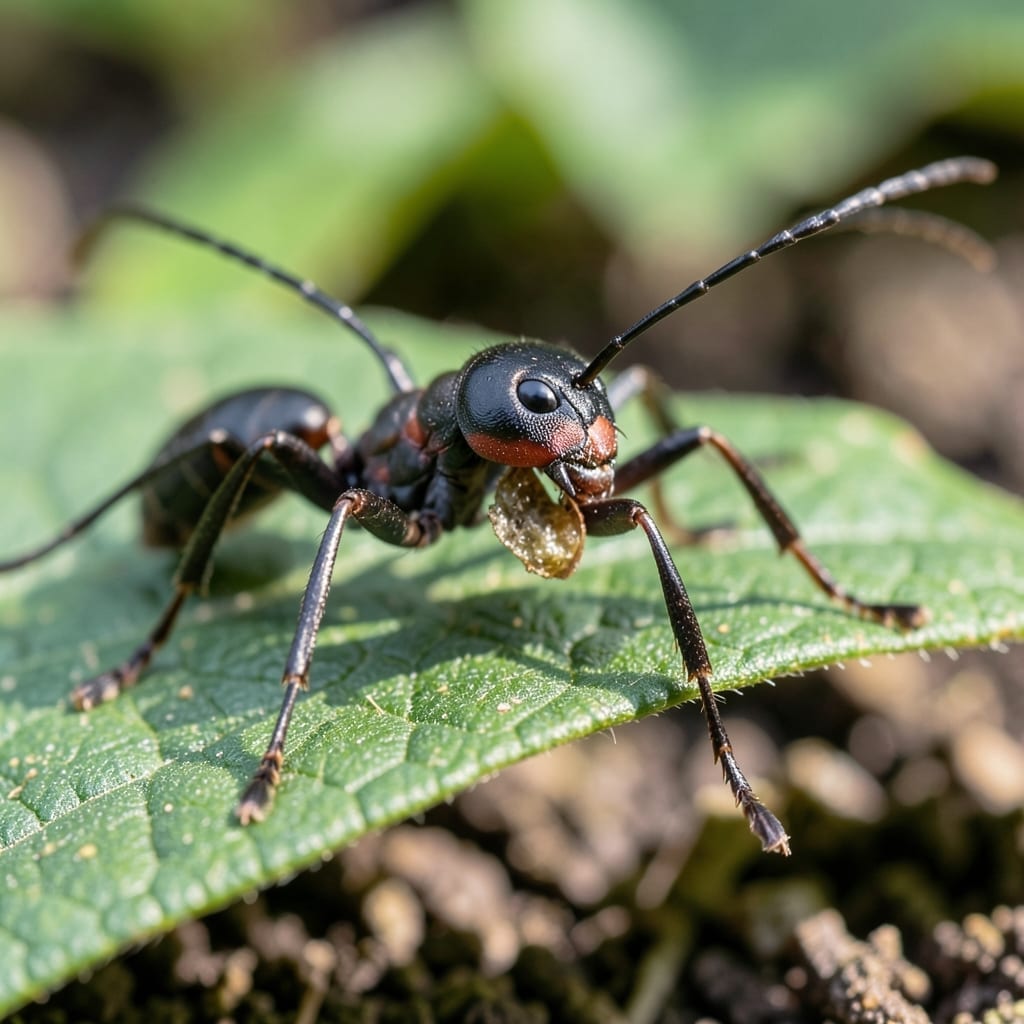
That sharp pinch on your arm isn’t random. Florida carpenter ants deliver a bite that feels intentional—because it is. They’re protecting their colony, and your skin just got in the way.
I’ve had my share of these encounters in the garden. The bite itself isn’t dangerous, but the formic acid they can spray afterward stings like a tiny needle. It’s their way of saying, “Back off, this is our territory.”
You’ll notice a red bump forming fast, sometimes with a white center. It itches, but resist scratching—it only makes it worse. The good news? It fades within a few hours for most people.
Knowing how to spot their nests helps you avoid future run-ins. These ants love damp wood, so check your garden’s hidden corners.
Carpenter ants in Florida don’t bite humans for food—they’re not bloodthirsty like mosquitoes. Instead, their bites serve specific purposes tied to their biology and behavior. Here’s why it happens:
Carpenter ants bite primarily as a defense mechanism. When threatened—such as when a nest is disturbed or they’re accidentally crushed—they use their strong mandibles (jaws) to pinch or bite. Unlike fire ants, they don’t inject venom, but their bite can still break skin, especially with larger species like Camponotus floridanus.
These ants are fiercely protective of their colonies. Worker ants will attack perceived threats to safeguard their queen, larvae, and food stores. In Florida, nests are often hidden in damp wood (e.g., tree stumps, decks, or wall voids), so bites may occur during home repairs or yard work near infested areas.
Sometimes, bites happen because humans unintentionally provoke the ants. Stepping barefoot on foraging trails or handling infested wood can trigger an aggressive response. Carpenter ants also release formic acid during bites, which may cause mild stinging—another reason they’re best avoided.
Actionable Tip: Wear gloves and closed-toe shoes when working in areas prone to carpenter ant activity to minimize risk.
Dealing with a Florida carpenter ant bite can be uncomfortable, but there are clear steps to soothe the pain and keep these pests away. Here’s how to handle each cause and prevent future issues.
If the bite causes redness, itching, or swelling, clean the area with soap and water to prevent infection. Apply a cold compress for 10 minutes to reduce swelling, and use antihistamine cream or hydrocortisone to ease itching. For severe reactions, take an oral antihistamine and consult a doctor.
In rare cases, bites may trigger allergic reactions like difficulty breathing or dizziness. Seek medical help immediately if these symptoms appear. Keep an epinephrine auto-injector handy if you’re prone to severe allergies.
To stop bites at the source, eliminate food and water sources—store food in sealed containers, fix leaks, and keep counters clean. Use boric acid baits or diatomaceous earth near entry points to kill ants. For large infestations, call a pest control professional.
💡 Pro tip: Regularly check moisture-prone areas (e.g., bathrooms, kitchens) since carpenter ants love damp wood!
No, their bites aren’t venomous but can break skin. The real irritation comes from the formic acid they spray afterward, causing a stinging sensation. Clean the area immediately to prevent infection.
Look for a red bump with a white center that itches intensely. It appears within minutes and may swell slightly. These marks typically fade within 24 hours.
Wash with soap and water, then apply a cold compress for 10 minutes. Over-the-counter hydrocortisone cream can reduce itching. Avoid scratching!