
Beautiful Plants For Your Interior
Beautiful Plants For Your Interior
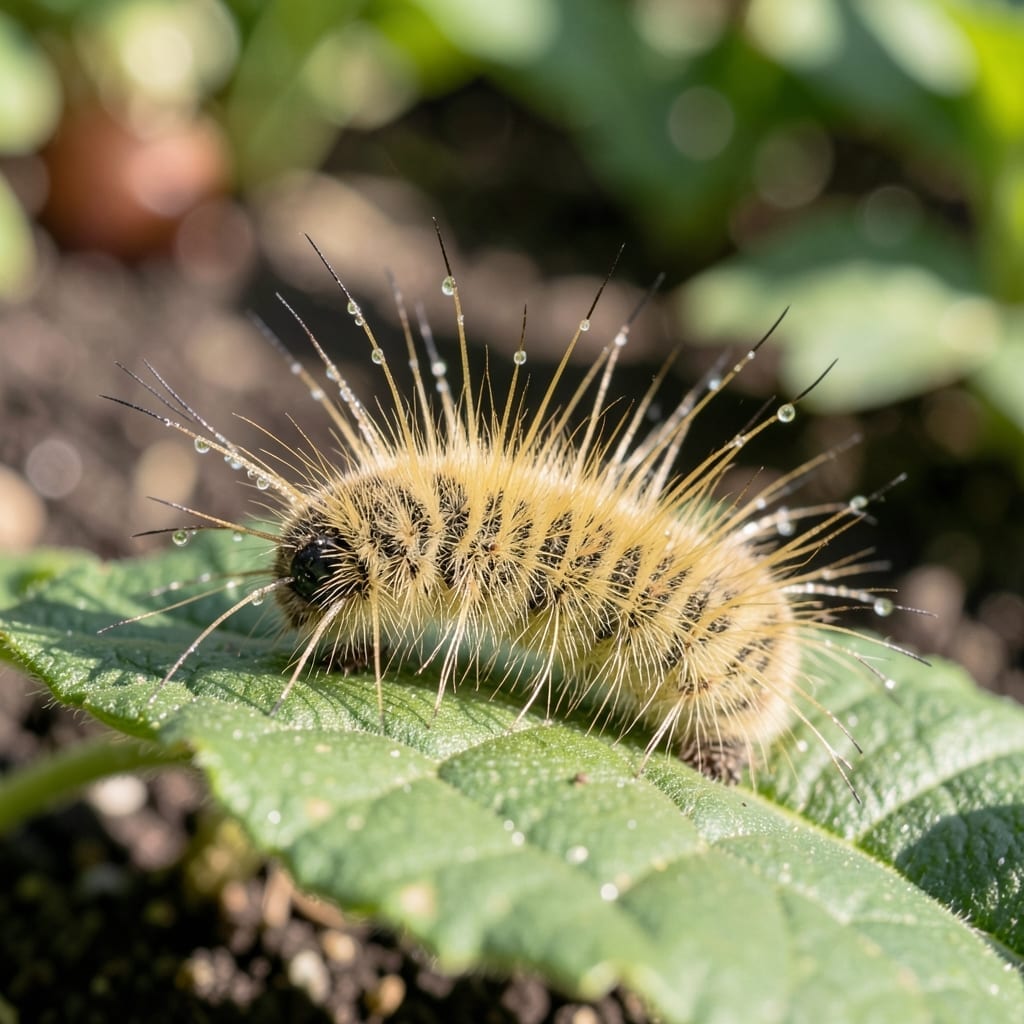
I first encountered these fuzzy caterpillars in my Texas garden last summer. They look harmless—even cute—with their long, silky hair, but I learned the hard way that those spines pack a painful surprise.
The sting hits fast and sharp, like a hot pinprick that spreads into a deep ache. Most people describe it as worse than a bee sting, and the pain can linger for hours. Some folks even develop welts or nausea.
Here’s the thing—these caterpillars don’t bite. The venom comes from hollow spines connected to poison sacs under their skin. Brush against one, and those spines break off, injecting the venom.
Immediate relief starts with removing any visible spines with tape, then washing the area with soap and water. A cold compress helps numb the pain while you wait for it to fade.
The flannel moth caterpillar, also known as the puss moth caterpillar, stings as a defensive mechanism. Unlike bees or wasps, it doesn’t have a stinger. Instead, its sting comes from hollow, venom-filled spines embedded in its fur-like setae. When threatened, these spines break off and inject venom into the skin, causing pain, swelling, and itching. Below are the primary reasons this happens:
The caterpillar’s sting is purely instinctual. When it senses pressure or touch—such as being brushed against, stepped on, or handled—its fragile spines snap, releasing venom. This is its only way to fend off predators like birds or curious humans.
Each spine is connected to a venom sac. The venom contains proteolytic enzymes and neurotoxins, which cause localized tissue damage and pain. The spines are so delicate that even light contact (e.g., gardening gloves or clothing) can trigger a sting.
Flannel moth caterpillars blend into their surroundings, resembling tufts of fur or plant debris. This camouflage means people (or pets) may accidentally touch them while working outdoors, leading to unintentional stings.
Actionable tip: Wear thick gloves and long sleeves when handling plants or firewood to avoid contact with hidden caterpillars.
Encountering a flannel moth caterpillar (or “puss moth caterpillar”) can leave you with a painful sting. Here’s how to address it quickly and effectively, along with ways to avoid future run-ins.
If stung, stay calm and act fast. Remove any remaining spines from the skin using tweezers or tape—never your bare hands. Wash the area with soap and water, then apply a cold compress to reduce swelling and numb the pain. Over-the-counter antihistamines or hydrocortisone cream can help ease itching and inflammation.
Keep the area clean to prevent infection. If blisters form, do not pop them—cover with a sterile bandage instead. For severe reactions like difficulty breathing or widespread swelling, seek medical attention immediately, as an allergic response may require emergency care.
With quick action and a little caution, you can soothe the sting and steer clear of future encounters. Stay safe and enjoy the outdoors! ✨
Most people feel sharp pain for 1-2 hours, with lingering discomfort up to 12 hours. The pain peaks quickly, then gradually fades. Severe reactions may last longer.
Yes, the spines can penetrate thin fabrics. Wear thick gardening gloves and long sleeves when handling plants or firewood. This is the best defense.
Remove spines with tape, wash with soap and water, then apply a cold compress. Monitor for allergic reactions and call a doctor if swelling spreads.
Baking soda paste can help neutralize venom. Avoid vinegar or meat tenderizer, as these may worsen the sting. Hydrocortisone cream reduces itching.