
Beautiful Plants For Your Interior
Beautiful Plants For Your Interior
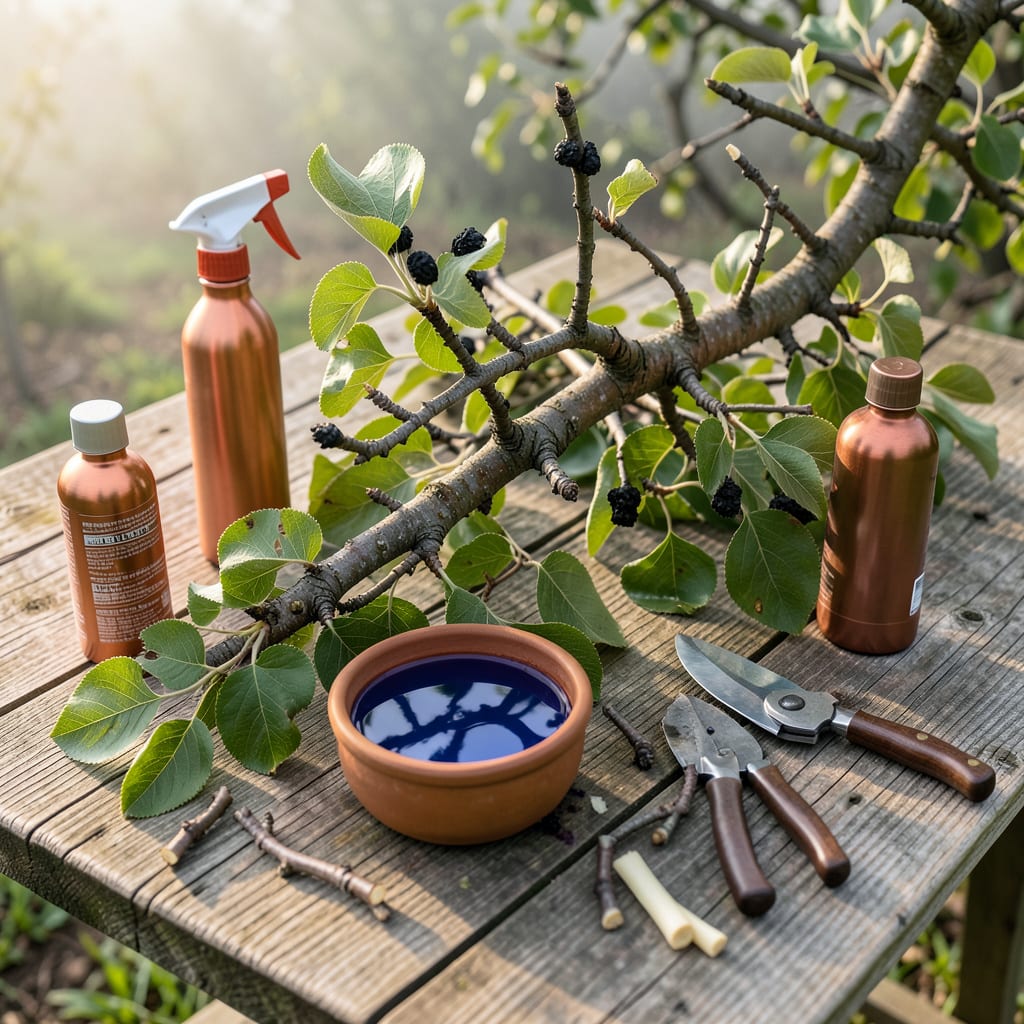
That moment you notice blackened branches on your apple tree hits hard. I lost two young trees to fire blight before learning how to stop its spread through proper pruning and sanitation.
This bacterial disease moves fast, turning blossoms and shoots brown overnight. The key is catching it early and removing infected wood 12 inches below visible damage with sterilized tools.
You’ll save the rest of your orchard by treating cuts with a 10% bleach solution and disposing of diseased material far from healthy trees. Prevention starts with resistant varieties and careful spring inspections.
With consistent action, your trees can bounce back stronger and produce healthy harvests for years to come.
Fire blight, caused by the bacterium Erwinia amylovora, thrives under specific environmental and cultural conditions. Understanding these triggers helps you prevent and manage outbreaks effectively. Below are the primary causes and how they contribute to the disease’s spread.
The bacterium spreads rapidly in temperatures between 65–85°F (18–29°C), especially when accompanied by rain, dew, or high humidity. Moisture allows the bacteria to move via splashing water, infecting blossoms, shoots, and wounds. A single rainfall event can disperse the pathogen across an entire orchard.
Apple trees are most vulnerable during bloom and active shoot growth. The bacteria enter through natural openings like flowers or fresh wounds from pruning, hail, or insect damage. Young, succulent tissues lack the defenses of mature wood, making them prime targets.
Pollinators like bees, as well as pruning tools, can carry E. amylovora from infected to healthy plants. Contaminated shears or saws introduce the bacteria directly into fresh cuts. Even wind-driven rain can transport the pathogen short distances, though insects and tools are the primary vectors.
Dense canopies with limited airflow create a microclimate that traps moisture, fostering bacterial growth. Improper pruning—such as leaving stubs or making jagged cuts—also provides entry points. Sanitizing tools between cuts and thinning branches for better circulation are critical preventive measures.
Fire blight can be managed effectively with the right approach. Here’s how to tackle it step by step, along with prevention tips to keep your apple trees healthy.
Prune affected branches at least 8–12 inches below visible damage to ensure all bacteria are removed. Use sterilized pruning shears (dip in rubbing alcohol between cuts) to prevent spreading the disease. Dispose of infected material by burning or sealing it in a trash bag—never compost it.
After pruning, disinfect tools with a 10% bleach solution or rubbing alcohol. For tree wounds, apply a copper-based fungicide or a 5% baking soda solution (1 tablespoon per gallon of water) to inhibit bacterial growth. Reapply after rain for continued protection.
Boost your tree’s resistance by watering deeply but infrequently (avoid wetting leaves) and fertilizing with a balanced, low-nitrogen formula in early spring. Avoid excessive nitrogen, which promotes tender new growth—a fire blight magnet.
Act quickly at the first sign of trouble—early intervention is key to saving your apple tree!
Always cut 8–12 inches below visible symptoms to remove hidden bacteria. Sterilize tools between cuts to prevent spreading the disease further.
No, never compost diseased wood. Burn it or seal it in a trash bag to avoid reinfecting healthy trees. The bacteria can survive composting.
Prune during dry, dormant seasons (late winter). Avoid wet weather when bacteria spread most easily through moisture.
Yes, copper-based fungicides can help, especially as a protective measure before rain. Apply carefully, as overuse may harm beneficial microbes.
