
Beautiful Plants For Your Interior
Beautiful Plants For Your Interior
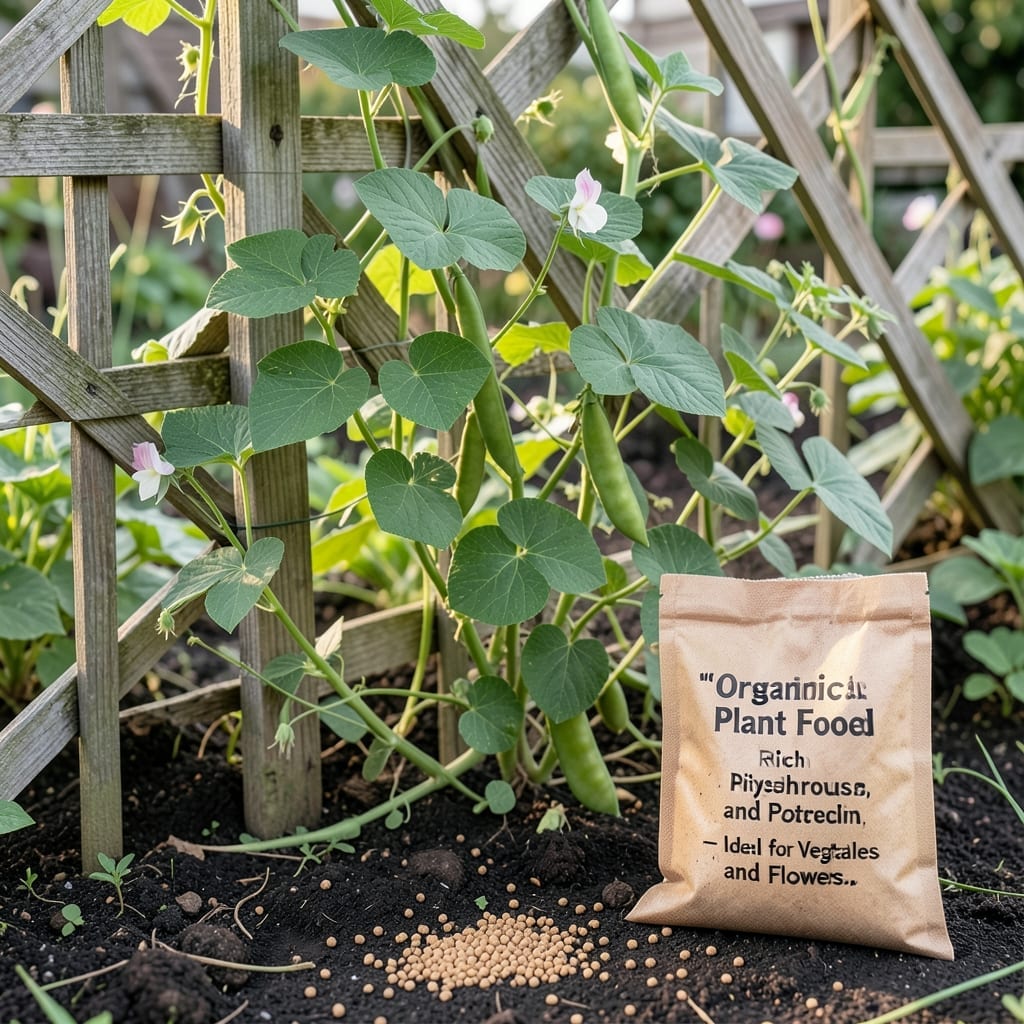
There’s nothing like the crisp sweetness of homegrown 🌱 Sugar Snap Peas, but weak plants or sparse pods can turn that joy into frustration. The right feeding strategy makes all the difference between a lackluster harvest and a bountiful one.
I’ve seen firsthand how simple adjustments to fertilization can transform these vines from struggling to thriving. It’s not about dumping more product—it’s about timing and balance.
Discover how to give your Sugar Snap Peas exactly what they need, when they need it, for the juiciest, most productive crop yet.
Sugar snap peas need different nutrients at each growth stage to thrive. At germination, a balanced fertilizer with equal NPK ratios helps establish strong roots and early growth.
Once flowering begins, switch to a low-nitrogen, high-phosphorus formula to encourage blooms and pod formation. This shift is critical for maximizing your harvest.
| Growth Stage | Recommended Fertilizer | NPK Ratio | Key Benefit |
|---|---|---|---|
| Germination | Balanced organic | 5-5-5 | Strong root development |
| Early Growth | Fish emulsion | 3-4-4 | Leafy vine growth |
| Flowering | Bone meal | 3-10-5 | Boosts blooms |
| Pod Development | Compost tea | 1-2-2 | Sweet, plump pods |
For organic gardeners, I recommend compost tea or worm castings during pod development. These provide slow-release nutrients without risk of burning tender roots.
Synthetic fertilizers can work but require precise timing. Apply them only at planting and when vines begin climbing. Avoid overuse, which can lead to excessive foliage and fewer pods.
The ideal NPK ratio for flowering and pod stages is 5-10-10. This higher phosphorus content supports the energy-intensive process of pod formation.
Remember that soil testing is your best friend. It reveals exact deficiencies so you can tailor your approach. Most garden centers offer affordable test kits.
I’ve found that side-dressing with compost mid-season gives my sugar snap peas an extra boost. Work it gently into the soil around the base, being careful not to disturb the shallow roots.
Always water deeply after fertilizing to help nutrients reach the root zone. This is especially important with granular fertilizers that need to dissolve.
Finally, don’t forget that healthy soil is the foundation. Amend your beds with organic matter each season to build long-term fertility. Your sugar snap peas will thank you with a bumper crop of sweet, crisp pods 🌱
I always prefer organic fertilizers for my sugar snap peas because they build soil health while feeding plants. These DIY options are easy to make and packed with essential nutrients your peas will love.
Compost tea is my go-to for a quick nutrient boost. It’s rich in beneficial microbes that improve soil structure and root uptake. Brew it weekly for best results.
For bone meal, remember it’s slow-release, so apply it early. It’s ideal for root development and helps prevent blossom drop, ensuring more pods form.
Fish emulsion provides a quick nitrogen boost, which is great for early vine growth. However, don’t overdo it—too much nitrogen leads to leafy growth at the expense of pods.
I also love adding worm castings to my soil. They’re packed with microbes and nutrients, and they won’t burn your plants. Mix a handful into the soil around each plant every 4-6 weeks.
For best results, rotate these fertilizers throughout the growing season. Start with compost tea, switch to fish emulsion for vine growth, then use bone meal as flowers appear. This approach keeps your sugar snap peas healthy and productive 🌱