
Beautiful Plants For Your Interior
Beautiful Plants For Your Interior
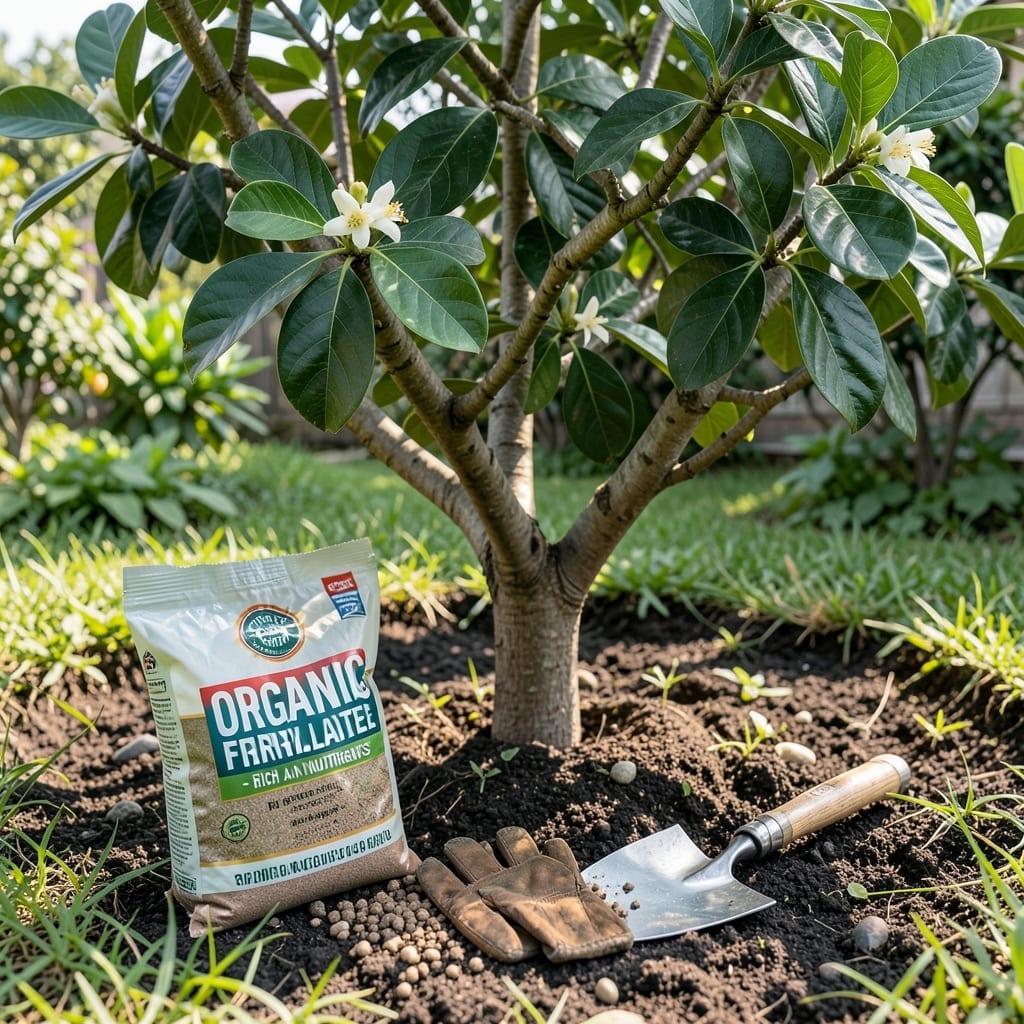
Growing a healthy 🌳 Guava Tree that produces abundant, sweet fruit starts with the right nutrition. Without proper feeding, your tree may struggle with stunted growth or poor yields.
I’ve tested various approaches to find what works best. The difference proper fertilization makes is truly remarkable – from leafy canopies to bountiful harvests.
Discover the simple yet effective methods to nourish your Guava Tree. These proven techniques will help you achieve faster, healthier growth and sweeter fruit in no time.
Choosing the right organic fertilizer can make all the difference for your guava tree. I’ve seen firsthand how proper nutrition transforms a struggling tree into a thriving, fruit-bearing powerhouse.
Organic options like compost and well-aged manure provide slow-release nutrients that improve soil structure while feeding your tree naturally. These are my go-to choices for long-term health.
| Fertilizer Type | Key Benefit | Best For |
|---|---|---|
| Compost | Improves soil structure | Overall tree health |
| Bone Meal | High in phosphorus | Root development |
| Seaweed Extract | Rich in micronutrients | Fruit quality |
| Manure | Balanced NPK ratio | Foliage growth |
Bone meal is another excellent choice, particularly for root development. Its high phosphorus content encourages strong root systems, which are vital for a healthy, productive guava tree.
For fruit quality and disease resistance, I recommend seaweed extracts. They’re packed with micronutrients that enhance flavor and help your tree resist common pests and diseases.
Manure, when well-aged, provides a balanced NPK ratio that supports both foliage and fruit production. I always ensure it’s fully composted to avoid burning the tree’s roots.
I’ve found that applying compost every 4-6 weeks during the growing season keeps my guava tree thriving. It’s a simple yet effective way to maintain steady nutrient levels.
Remember, organic fertilizers not only feed your tree but also improve soil health over time. This means better water retention and a more robust ecosystem around your tree’s roots.
If you’re looking for a quick nutrient boost, fish emulsion is a great liquid option. It’s rich in nitrogen and easy for the tree to absorb, making it ideal for a mid-season pick-me-up.
Finally, always test your soil before applying any fertilizer. This helps you understand what nutrients are already present and what your guava tree might be lacking.
With the right organic fertilizers, your guava tree will reward you with lush foliage and an abundant harvest of sweet, juicy fruit 🌳
Timing your fertilizer application correctly is crucial for guava tree health. I’ve learned that feeding during active growth phases makes all the difference in fruit production and tree vigor.
For young trees, I apply a balanced fertilizer every 4-6 weeks during the growing season. Mature trees benefit from 3-5 lbs of fertilizer spread around the drip line.
I always test my soil before applying fertilizer to check for existing nutrients. Guava trees thrive in slightly acidic to neutral soil, so I aim for a pH of 5.0-7.0 for optimal nutrient uptake.
The best time to fertilize is in early morning when temperatures are cooler. This helps prevent fertilizer burn and allows the tree to absorb nutrients efficiently throughout the day.
During the growing season, I use the ring method, spreading fertilizer in a circle around the tree’s drip line. This ensures nutrients reach the root zone where they’re most needed.
With proper timing and application, your guava tree will grow stronger and produce sweeter fruit each season 🌳