
Beautiful Plants For Your Interior
Beautiful Plants For Your Interior
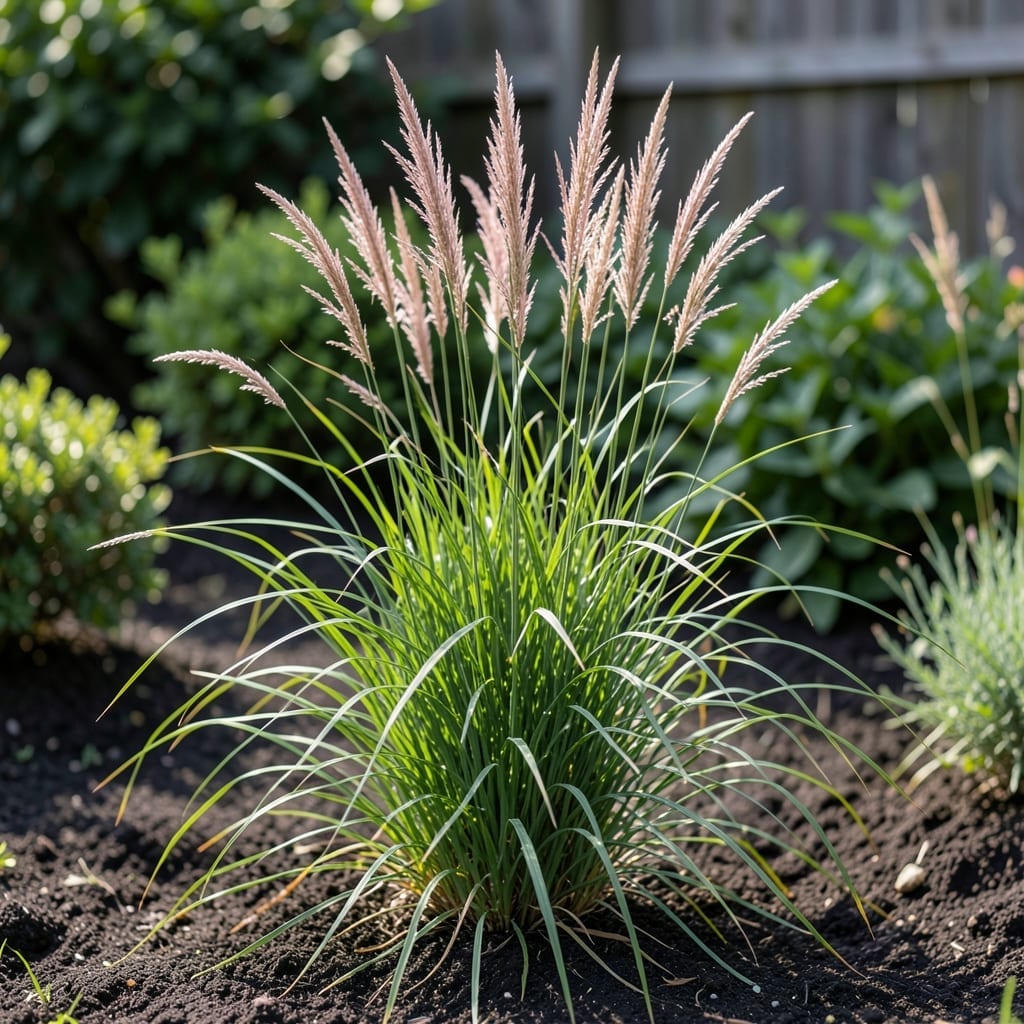
Feather reed grass 🌾 adds elegant vertical interest to any landscape, but its mature height can surprise first-time growers. I’ve seen gardens where these grasses tower over shrubs, creating a stunning backdrop.
What many don’t realize is that Feather Reed Grass varieties can range from 3 to 5 feet tall. This variation is crucial when planning borders or privacy screens.
Discover how different cultivars grow and how to use their height to transform your outdoor space. Let’s get started.

When I first planted feather reed grass, I was amazed by how quickly it reached its full height. These grasses can vary from 3 to 5 feet tall, depending on the cultivar.
Some varieties, like ‘Karl Foerster’, can grow up to 5 feet tall, while others stay more compact. Knowing the mature size helps in planning your garden layout.
| Variety | Mature Height | Growth Habit |
|---|---|---|
| Karl Foerster | 4-5 ft | Upright, clumping |
| Avalanche | 3-4 ft | Variegated, compact |
| Overdam | 3-4 ft | White-striped foliage |
| Feuerzauber | 4-5 ft | Reddish plumes |
In my experience, ‘Karl Foerster’ is the tallest and most popular variety. It’s perfect for creating a dramatic focal point in larger landscapes.
The ‘Avalanche’ and ‘Overdam’ varieties are slightly shorter, making them ideal for mid-border planting or smaller gardens.
I’ve found that ‘Feuerzauber’ adds a unique touch with its reddish plumes, and it still reaches an impressive 4 to 5 feet in height.
For those with limited space, the more compact varieties like ‘Avalanche’ work beautifully in containers or along pathways.
Remember, these grasses grow in clumps, so they won’t spread aggressively. This makes them low-maintenance for borders.
If you’re aiming for a privacy screen, taller varieties like ‘Karl Foerster’ planted in groups can create a natural barrier.
I always recommend checking the mature height of your chosen variety before planting to ensure it fits your design vision. This prevents overcrowding.
With proper spacing, these grasses can thrive for years, adding year-round interest to your garden 🌾
In my garden, I’ve noticed that feather reed grass height isn’t just about the variety. Sunlight exposure plays a huge role, with plants in full sun often reaching their maximum potential.
Soil quality and water availability also impact growth. Poor drainage or dry conditions can stunt development, while rich, moist soil encourages taller, healthier plants.
I’ve found that plants in partial shade tend to grow 10-20% shorter than those in full sun. This is worth considering when planning your garden layout.
Climate zone matters too. In cooler zones, growth may be slower, while warmer areas can see more vigorous development. Always check your local conditions.
For the tallest feather reed grass, I recommend amending soil with compost before planting. This gives roots the best start for upward growth.
Remember, container-grown plants often stay smaller due to root restriction. If you want maximum height, plant directly in the ground.
With the right conditions, even compact varieties can surprise you with their vibrant vertical presence 🌾