
Beautiful Plants For Your Interior
Beautiful Plants For Your Interior
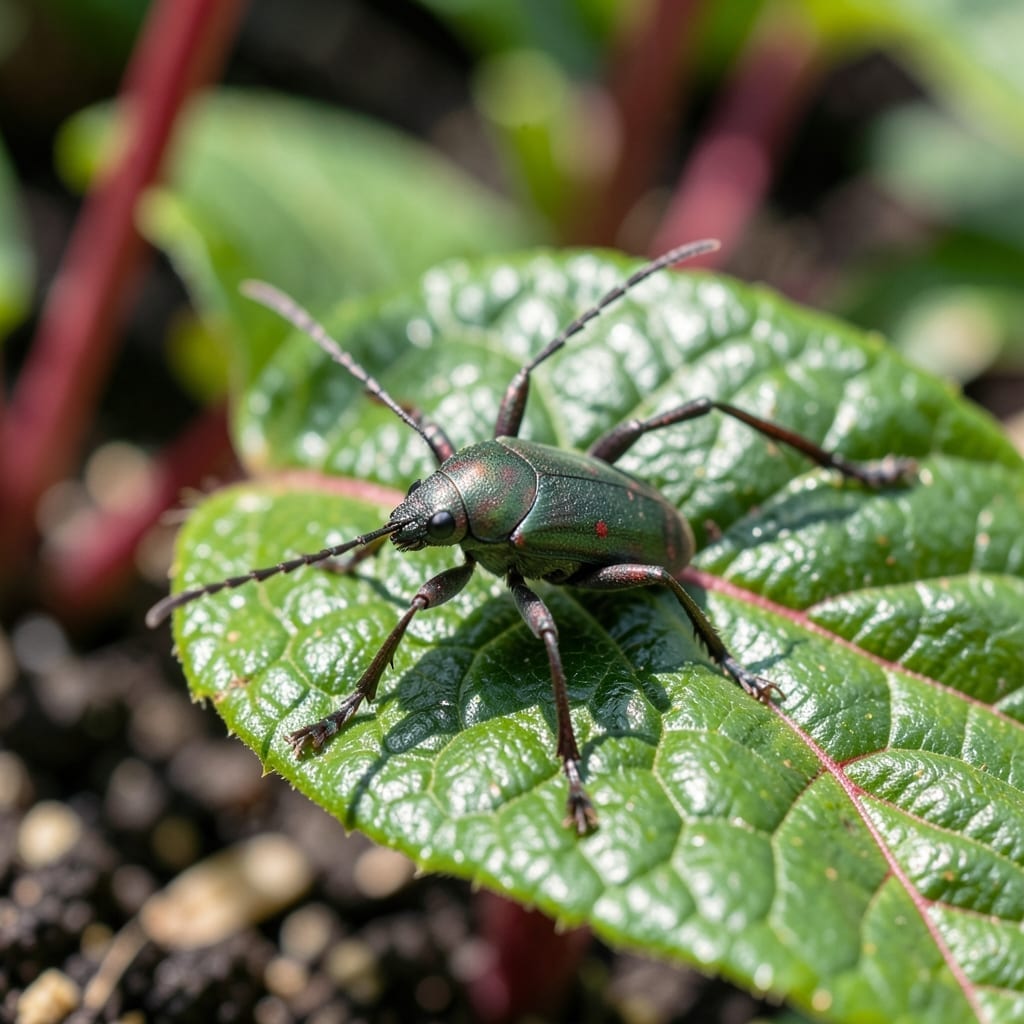
I first spotted them on my zucchini leaves—tiny, oval beetles with soft, velvety bodies. False blister beetles look harmless, but their bite packs an unexpected punch that can leave skin red and irritated.
Unlike their blister beetle cousins, these don’t secrete caustic fluids, but their bite can still cause localized swelling and discomfort. I’ve learned the hard way that quick identification and proper care make all the difference in reducing reaction time.
You’ll want to wash the area immediately with cool, soapy water and apply a cold compress to ease the stinging. Most reactions clear up within 24-48 hours, but monitoring for signs of infection is key.
Knowing how to spot these beetles and respond fast keeps your garden time safe and your skin protected.
The false blister beetle doesn’t actually bite in the traditional sense. Instead, its defensive mechanism triggers the skin reaction often mistaken for a bite. Here’s why it happens:
When threatened, these beetles exude cantharidin, a potent vesicant compound. This toxin causes blistering and irritation upon contact with skin. Unlike true bites, the reaction stems from direct exposure to the chemical, not a physical puncture.
Most “bites” occur when the beetle is accidentally crushed against the skin (e.g., while gardening or sleeping). The released cantharidin then seeps into micro-abrasions, leading to localized redness, swelling, or blisters within hours.
False blister beetles resemble harmless species, so people may handle them unknowingly. Their elongated bodies and soft wings make them easy to crush, increasing the risk of chemical exposure. Always avoid direct contact with unfamiliar beetles.
If you’ve been bitten by a false blister beetle, quick and proper care can ease discomfort and prevent further issues. Below are targeted solutions for common symptoms, along with prevention tips to avoid future encounters.
Wash the affected area immediately with mild soap and cool water to remove any residual irritants from the beetle’s defenses. Apply a cool compress or ice pack (wrapped in a cloth) for 10-15 minutes to reduce swelling. Over-the-counter hydrocortisone cream or calamine lotion can soothe itching. Avoid scratching to prevent infection.
If blisters develop, do not pop them—this increases infection risk. Clean the area gently and cover it with a sterile, non-stick bandage. For larger or painful blisters, consult a healthcare provider. Antibiotic ointment can help if the skin breaks.
Taking these steps ensures a speedy recovery and minimizes the chance of future bites. Stay vigilant, especially in warm, humid climates where false blister beetles are most active!
Most skin irritation clears within 24-48 hours with proper care. Blisters may take slightly longer to heal completely.
True blister beetles secrete cantharidin when crushed, while false ones release it when threatened. Both cause similar skin reactions, but false beetles are less aggressive.
Seek medical attention if you experience intense pain, large blisters, or signs of infection like pus or fever. Most cases resolve at home.
No, popping blisters increases infection risk. Keep the area clean and covered with a sterile bandage.