
Beautiful Plants For Your Interior
Beautiful Plants For Your Interior
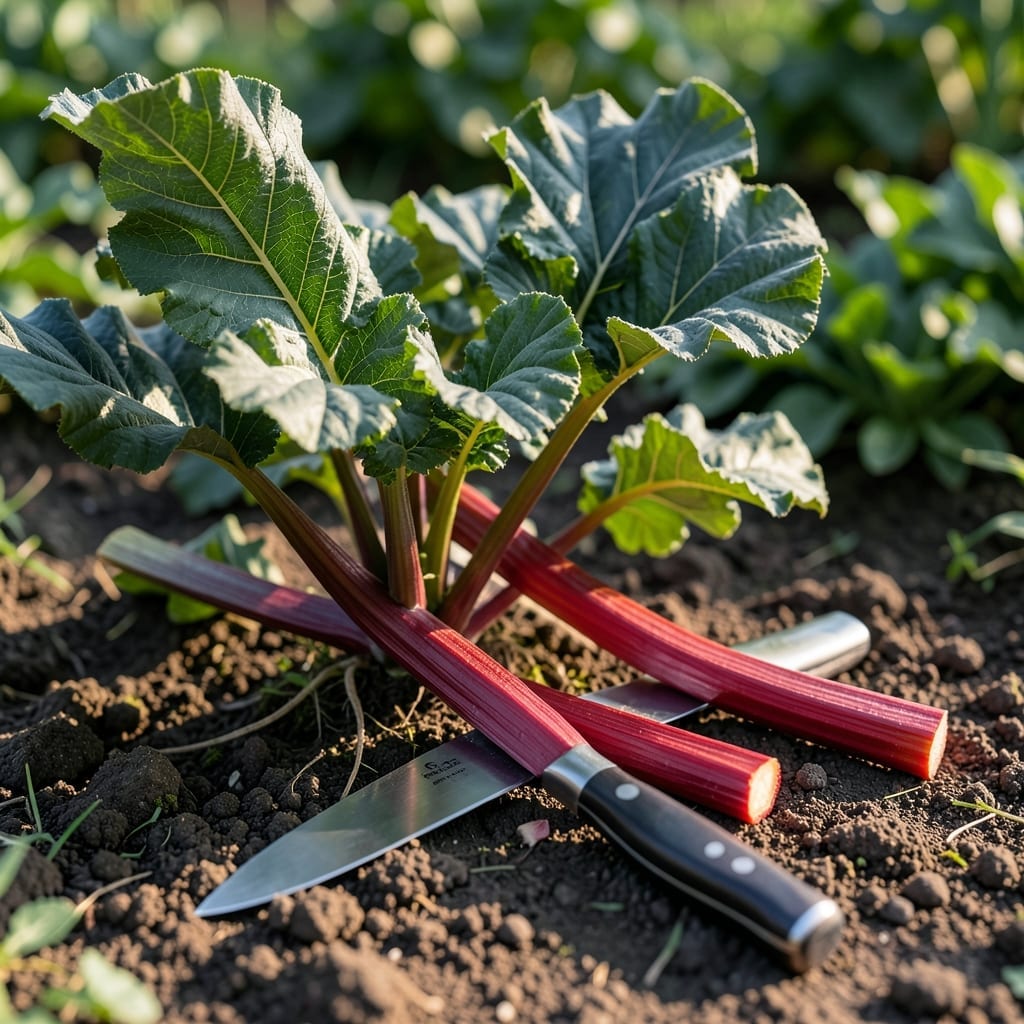
Timing your fall rhubarb harvest correctly can mean the difference between tart, fibrous stalks and sweet, tender perfection.
As the seasons change, so does your 🥬 Rhubarb. Discover when and how to pick for maximum flavor before winter sets in.
I’ll show you the subtle signs that your Rhubarb is ready, from color changes to stalk firmness. These small details make all the difference.
With the right approach, you can enjoy a second harvest that’s just as rewarding as your spring pickings. Let’s get started.


I always watch for the first light frost as my signal that fall rhubarb harvest season is near. This natural sweetener enhances the stalk flavor while maintaining that signature tartness we love.
The ideal window for fall harvest is typically 2-4 weeks before your first hard frost. In my zone 6 garden, this means late September through early October for the best results.
| Harvest Sign | Fall Indicator |
|---|---|
| Stalk Length | 12-18 inches |
| Stalk Thickness | 1-1.5 inches diameter |
| Color Intensity | Deep red or vibrant green |
| Leaf Size | Fully unfurled, 12+ inches |
| Frost Timing | 2-4 weeks before hard frost |
I’ve found that color changes are the most reliable indicator. My Victoria rhubarb develops deep crimson stalks, while Green varieties turn a rich emerald when ready for harvest.
The snap test never fails me. When a stalk breaks cleanly with a sharp snap sound, it’s at peak sweetness. If it bends, I leave it for another week or two.
In cooler climates, I start checking plants in early September. The shorter days and cooler nights trigger sugar development in the stalks, creating that perfect balance we seek.
For warmer zones, the harvest window shifts later. I wait until October when temperatures consistently drop below 50°F at night to begin my fall harvest.
I always harvest in the morning when stalks are most turgid. This ensures maximum juice content and the best flavor for my fall rhubarb crop.
Remember that first-year plants need special care. I never harvest from new plantings, allowing them to establish strong root systems for future seasons.
After harvest, I mark my calendar for 4-6 weeks later to stop all picking. This gives plants time to store energy in their roots before winter dormancy.
By following these seasonal cues, I consistently get the sweetest, most tender fall rhubarb stalks from my garden every year 🌱
Harvesting fall rhubarb properly ensures your plants stay healthy for next season. I always use clean, sharp tools to make precise cuts and prevent disease. The key is working gently around the crown to avoid damage.
I recommend harvesting no more than 1/3 of the stalks per plant in fall. This gives your rhubarb enough energy to recover before winter dormancy. The best time is in the morning when stalks are most crisp.
After picking, I always remove the leaves right away since they contain oxalic acid. The stalks keep best when stored in the refrigerator unwashed. Proper post-harvest care makes a big difference.
For plant recovery, water deeply after harvesting and add a light mulch layer. This protects the roots from early frosts while maintaining soil moisture. Your rhubarb will thank you next spring.
Avoid harvesting after the first hard frost as the stalks become mushy. In my experience, the best flavor comes from stalks picked just before this point. Watch your local weather forecasts closely.
Remember that young plants shouldn’t be harvested in their first fall. Give them 2 full years to establish before taking any stalks. This patience pays off with stronger, more productive plants.
☀️