
Beautiful Plants For Your Interior
Beautiful Plants For Your Interior
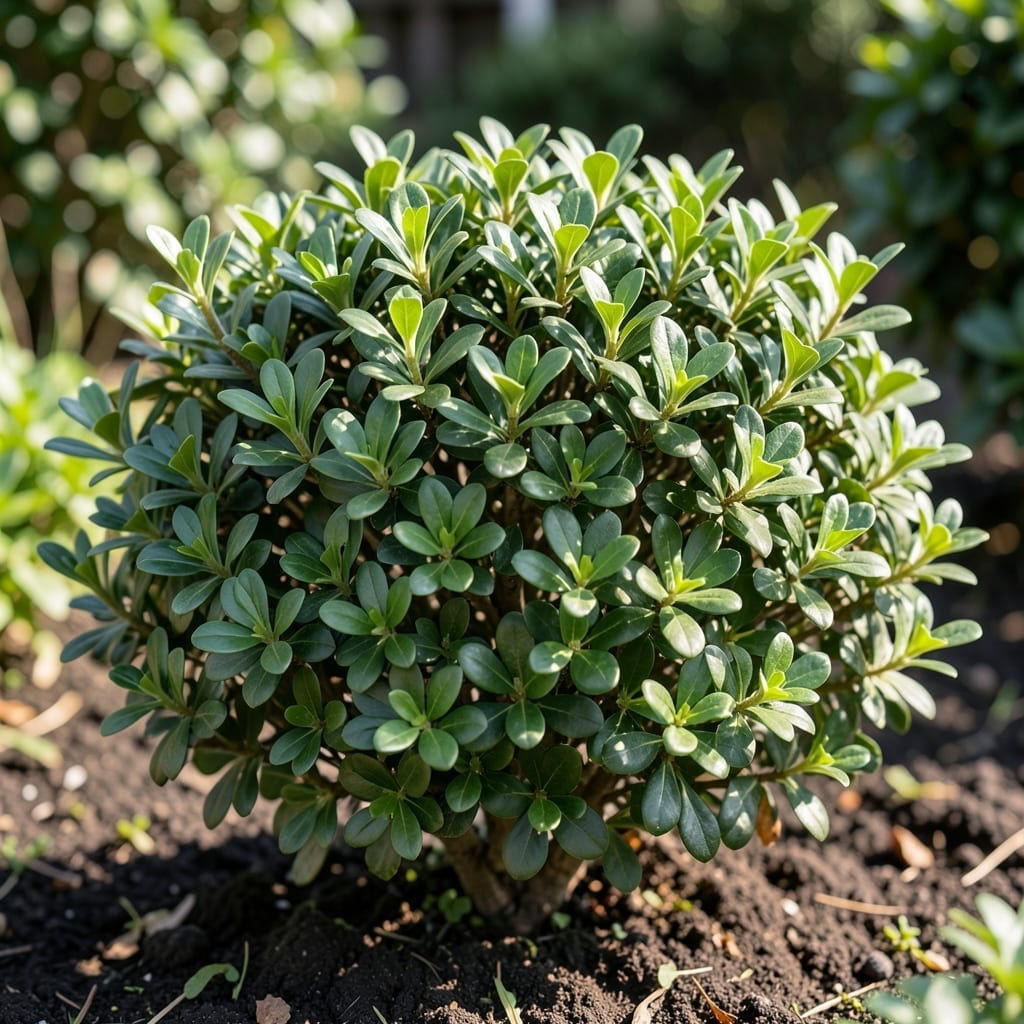
I spent years misidentifying shrubs until I learned to look beyond the leaves. Evergreen shrubs reveal their identities through needle shape, berry clusters, and bark texture—not just their year-round color.
Some have glossy, leathery leaves while others sport tiny, scale-like needles. The height ranges from 2-foot dwarf varieties to towering 15-foot specimens. Growth habits vary just as much, with some spreading wide and others staying compact.
Once you notice these details, distinguishing between boxwood, holly, and juniper becomes second nature. The key is observing the plant’s structure, not just its greenery.
This approach works for any landscape, from formal gardens to wild woodlands. The more you practice, the faster you’ll recognize each variety with confidence.
Evergreen shrub identification can be tricky, and several factors contribute to misidentification. Here’s why it happens:
Many evergreen shrubs share overlapping traits like needle shape, leaf arrangement, or bark texture. For example, Juniperus and Thuja species both have scale-like leaves, making them easy to confuse. Without close examination of reproductive structures (cones, berries) or growth habits, even experts can misclassify them.
Evergreens adapt to their environment, leading to phenotypic plasticity—the same species may look different in shade vs. sun or dry vs. moist soil. A Rhododendron in full sun might develop thicker leaves, while one in shade grows larger, softer foliage. These variations complicate field identification.
While evergreens retain foliage year-round, they still undergo seasonal shifts. New growth in spring may appear lighter or softer than mature leaves. Some, like Pieris floribunda, produce flowers that change color as they age, further obscuring identification if observed at the wrong time.
Horticultural breeding has created countless hybrids and cultivars with unique traits. A cultivated Boxwood (e.g., Buxus ‘Green Velvet”) may not match wild-type descriptions, leading to confusion. Always check for cultivar names or man-made modifications in landscaping contexts.
Misidentifying evergreen shrubs can lead to frustration, but these straightforward solutions will help you confidently tell them apart.
Many evergreens share needle-like or broadleaf forms, making them tricky to distinguish. Fix: Examine the arrangement—alternate (one leaf per node) or opposite (pairs at each node). For example, boxwoods have opposite leaves, while holly’s are alternate. Prevention: Carry a small magnifying glass to spot subtle differences in leaf edges or veins.
Bark texture and color vary widely. Fix: Note if the bark is peeling (like on ninebark) or smooth (such as cherry laurel). Younger stems often reveal more clues—some are green, others reddish or fuzzy. Prevention: Photograph stems and bark for later comparison with field guides.
Shape and height can be overlooked in favor of leaves. Fix: Observe the plant’s natural form: upright (juniper), spreading (creeping cotoneaster), or rounded (dwarf yew). Prevention: Sketch the shrub’s silhouette to match against known profiles.
Use a plant identification app as a backup, but always verify with physical traits. Snap clear photos of leaves, bark, and overall shape for the most accurate results.
Start with leaf type: needle-like, scale-like, or broadleaf. Then check arrangement (opposite or alternate) and texture. Bark and growth habit offer additional clues.
Cultivars or hybrids can resemble parent species closely. Always check for tags or ask the grower. Even experts rely on reproductive structures like berries or cones for confirmation.
Yes! Focus on bark, stem color, and overall shape. Some evergreens produce winter berries or cones. Bring a field guide with seasonal descriptions for accuracy.
Compare multiple traits, not just one. Use a magnifying glass for leaf veins or edges. When in doubt, photograph the plant and consult a local nursery.