
Beautiful Plants For Your Interior
Beautiful Plants For Your Interior
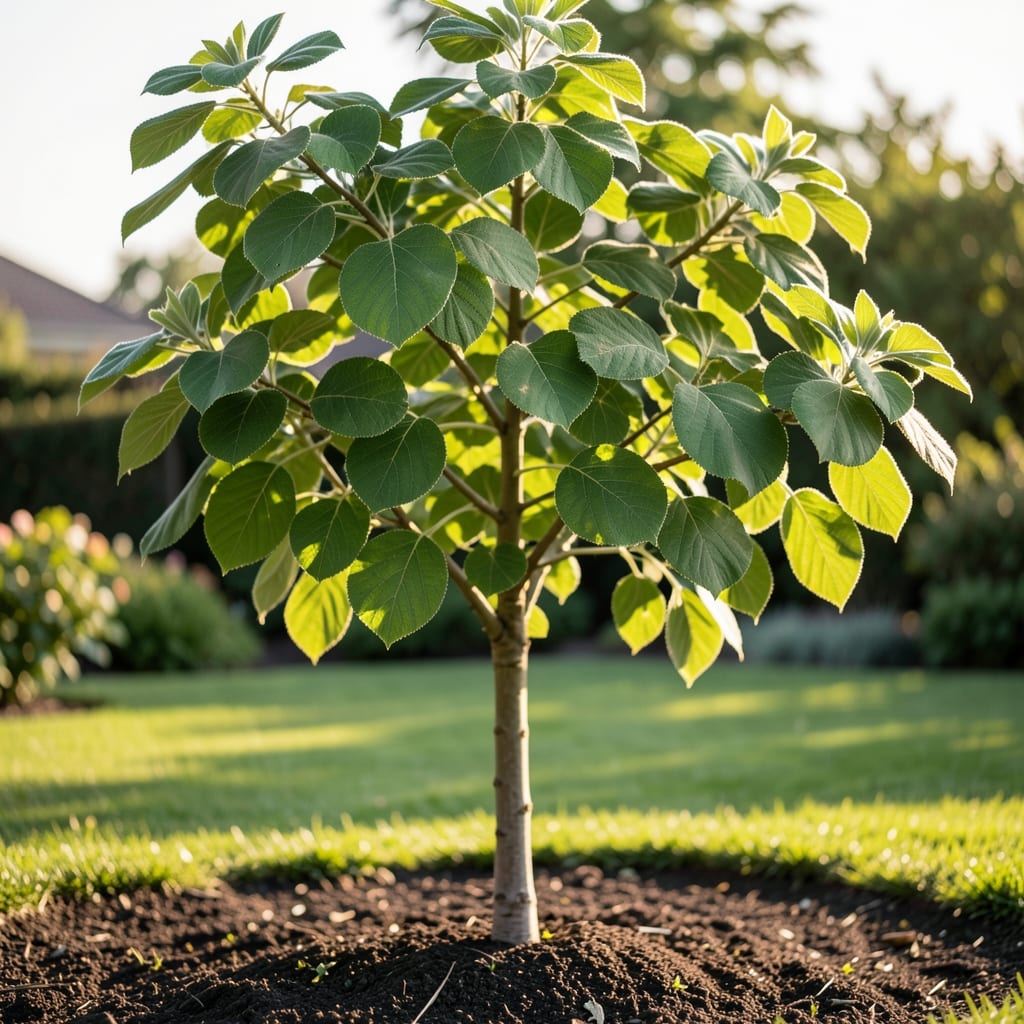
I fell for the Empress Tree the first time I saw its huge, heart-shaped leaves unfurling in early spring. 🌿 This fast grower transforms bare spots into a lush green canopy in just a few seasons.
It’s not fussy—give it full sun, decent soil, and room to stretch, and it’ll reward you with shade and those iconic, velvety leaves. Fair warning: it grows fast, so plan your space wisely.
📚 In This Guide
Here’s the method I use to cultivate vibrant, healthy foliage that creates stunning shade canopies.
Select a spot with full sun to partial shade—these trees thrive with at least 6 hours of direct sunlight daily. I always check the area for overhead obstructions like power lines since empress trees grow 15-20 feet tall with an equal spread. The soil should drain well; avoid low-lying areas where water pools after rain.
Test drainage by digging a 1-foot deep hole and filling it with water. If it drains completely within 2-3 hours, you’re good. If not, consider amending the soil or choosing a raised bed. This prevents root rot, which shows up as yellowing leaves and stunted growth.
Dig a hole that’s twice as wide as the root ball but no deeper. I place the tree so the root flare (where roots meet trunk) sits 1-2 inches above the surrounding soil level—burying it too deep suffocates the roots and weakens the tree. Backfill with native soil, tampling lightly to remove air pockets.
Water deeply after planting until the soil settles. I create a 3-4 inch high watering ring around the base to help direct moisture to the roots. You’ll know it’s working when the soil stays evenly moist but never soggy during the first 4-6 weeks of establishment.
Young trees need 1-1.5 inches of water weekly, either from rainfall or irrigation. I water deeply 2-3 times per week during dry spells, allowing the top 1-2 inches of soil to dry between waterings. This encourages deep root growth, which you’ll see in the tree’s ability to withstand drought.
Mature empress trees are more drought-tolerant but still need supplemental water during extended dry periods. Watch for wilting leaves or soil pulling away from the trunk—these are your tree’s way of saying it’s thirsty. A 2-3 inch layer of mulch helps retain moisture and keeps roots cool.
Apply a balanced, slow-release fertilizer in early spring, just as new growth begins. I use about 1 pound per inch of trunk diameter, spreading it evenly under the canopy. This gives the tree the nutrients it needs to produce those large, lush leaves the empress tree is known for.
Avoid high-nitrogen fertilizers late in the season—they can promote tender new growth that’s vulnerable to frost damage. Instead, switch to a low-nitrogen formula in late summer. You’ll notice the difference in leaf size and color within 2-3 weeks of proper feeding.
Prune in late winter or early spring before new growth starts. I remove any dead, diseased, or crossing branches first, then shape the tree as needed. Empress trees respond well to pruning, and doing it at the right time minimizes stress.
Make clean cuts at a 45-degree angle just outside the branch collar. Never remove more than 25% of the canopy in a single season. Proper pruning improves air circulation, which reduces disease risk and encourages that full, leafy canopy everyone admires.
These simple adjustments will help your tree thrive and produce those stunning leaves everyone admires.
Sunlight Strategizing: Those 6 hours of direct sunlight in Step 1 aren’t just a suggestion—they’re essential for vibrant foliage. I learned this the hard way when my first empress tree struggled in a shadier spot. If your yard doesn’t get full sun, prioritize morning sunlight over harsh afternoon rays.
Drainage Test Hack: In Step 1, when testing drainage with a 1-foot deep hole, fill it with water first thing in the morning. If it hasn’t drained within 2-3 hours, your soil needs amending. I use a mix of native soil and compost to improve drainage without losing moisture retention.
Planting Depth Secret: That 1-2 inches above soil level for the root flare in Step 2 might seem fussy, but it prevents root suffocation. Confession: I buried my first tree too deep and wondered why it never thrived. Trust me, this tiny detail makes a huge difference.
Watering Rhythm: For Step 3, stick to 2-3 times per week during dry spells, but adjust based on rainfall. The top 1-2 inches of soil should dry out between waterings—this encourages those deep roots that make empress trees so drought-tolerant.
While empress tree (Paulownia) leaves are not highly toxic, they may cause mild stomach upset if ingested in large quantities. Keep pets and children away from fallen leaves to avoid potential irritation.
Empress tree leaves typically turn a soft yellow in late fall before dropping. The timing varies by climate, with cooler regions seeing changes earlier (October) and warmer areas later (November).
Brown or crispy leaves often signal underwatering, excessive heat, or poor soil drainage. Check moisture levels and ensure the tree is planted in well-draining soil to prevent stress.
Yes! Empress tree leaves decompose quickly, making them great for compost or mulch. However, avoid using them fresh in large amounts, as they may mat and suffocate plants.
Consider non-invasive shade trees like red maple or serviceberry. These offer similar canopy benefits without the aggressive spread of empress trees.