
Beautiful Plants For Your Interior
Beautiful Plants For Your Interior
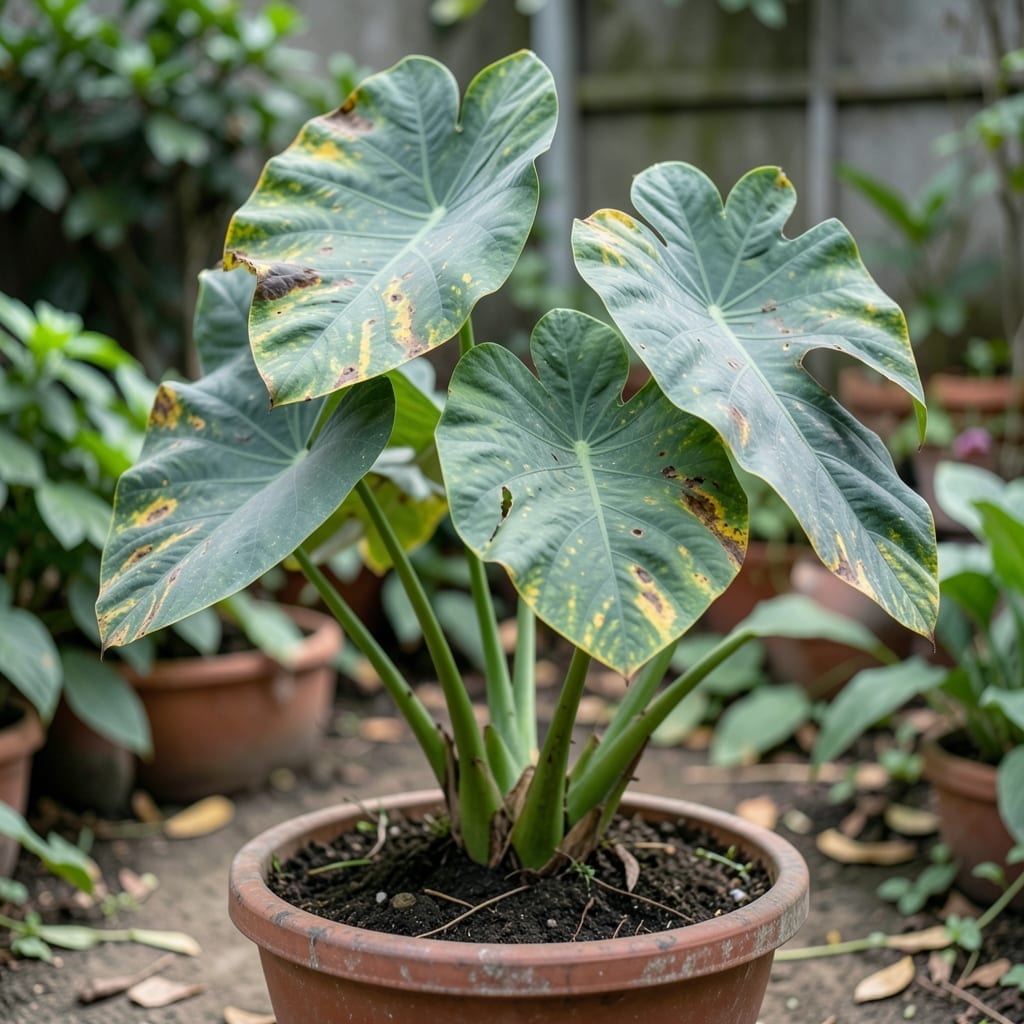
Brown spots and wilting leaves on your elephant ear plant aren’t just unsightly—they’re a call to action. I’ve seen these dramatic plants go from lush to listless in days when disease strikes.
Here’s the thing—most issues are preventable with the right knowledge. We’ll tackle the root causes, from fungal invaders to overwatering, and get your plants back to their tropical best in no time.
Short list of materials to diagnose and treat elephant ear plant diseases effectively.
| Ingredient | Amount | Notes |
|---|---|---|
| Copper Fungicide 🧪 | 1 piece | For fungal spot treatment |
| Neem Oil 🌿 | 1 piece | Organic preventative spray |
| Pruning Shears ✂️ | 1 piece | Sterilize between cuts |
| Well-Draining Potting Mix 🌾 | 2 gallons | Replace waterlogged soil |
| Moisture Meter 🌡️ | 1 piece | Check soil before watering |
| Watering Can 💧 | 1 piece | With narrow spout |
| Garden Gloves 🧤 | 1 piece | Protect hands from fungi |
| Plastic Sheeting 📋 | 1 piece | Isolate affected plants |
[recipe_ingredient_scaler]
Copper fungicide is your best defense against fungal spots—I grab mine from Home Depot or Lowe’s seasonal gardening section. Neem oil works too (the good stuff, not the diluted versions). Most garden centers carry both, but online retailers often have better bulk pricing for frequent use.
No copper fungicide? Baking soda spray (1 tsp per quart of water) works in a pinch for mild cases. Neem oil doubles as insecticide if pests are contributing. Sterilizing shears with rubbing alcohol between cuts prevents spreading disease (worth the extra dollar for peace of mind).
Store fungicides in a cool, dry place—they degrade in heat or moisture. Neem oil lasts 1-2 years unopened. I keep my moisture meter in the potting shed so it’s always handy for quick soil checks before watering.
Here’s the method I trust to rescue elephant ears from fungal invaders and restore their dramatic foliage.
At the first sign of brown spots or wilting, immediately move the affected plants away from healthy ones. Use the plastic sheeting to create a barrier around the infected area, preventing fungal spores from spreading through air currents or water splash.
I always work with the garden gloves on during this step—fungal pathogens can irritate skin and spread to other plants through contact. This containment measure buys you time to treat the problem without risking your entire collection.
Using the pruning shears, remove all leaves showing brown spots or yellowing. Cut at least 2 inches below visible damage to ensure you’re removing the full extent of the infection. Sterilize the shears between each cut with rubbing alcohol to prevent cross-contamination.
Here’s the thing—don’t compost these clippings. Fungal spores can survive composting and reinfect your plants later. Seal them in a plastic bag and dispose of them with household trash instead.
Fungal diseases thrive in waterlogged conditions, so remove the plant from its current pot and discard the old soil. Repot using the 2 gallons Well-Draining Potting Mix, which provides the aeration elephant ears need to prevent future fungal growth.
I’ve found that adding a layer of coarse perlite at the bottom of the pot further improves drainage. Use the moisture meter to monitor soil conditions—you want the top 1-2 inches to dry out between waterings.
Mix the copper fungicide according to package instructions and apply it to all remaining foliage and stems. This provides immediate protection against further fungal spread. I use a spray bottle for even coverage, making sure to treat both the tops and undersides of leaves.
Apply in the early morning or late evening to prevent leaf burn from the sun. You’ll want to repeat this treatment every 7-10 days until the plant shows no new signs of infection.
Once the immediate crisis is past, switch to a preventative regimen with the neem oil. Mix 1 tablespoon of neem oil with 1 gallon of water and a few drops of mild soap as an emulsifier. Spray all plants, including healthy ones, every 2 weeks.
Real talk: Neem oil works best as prevention, not cure. Use the watering can with its narrow spout to water at the base of plants, keeping foliage dry. This simple practice prevents most fungal issues from ever starting.
Pairing beer with the earthy, tropical vibes of an elephant ear plant might seem unusual, but the right brew can complement the gardening experience! 🌿 Try a crisp Saison, with its peppery and citrus notes, to balance the lush greenery. For a richer option, a Belgian Tripel offers a fruity, slightly spicy profile that pairs well with the plant’s bold foliage.
For wine lovers, a zesty Sauvignon Blanc with its bright acidity and herbal undertones can feel refreshing after tending to your elephant ear plants. Alternatively, a light-bodied Pinot Noir brings out subtle earthy notes, making it a great match for the plant’s natural charm.
If you prefer non-alcoholic drinks, a sparkling ginger beer or a citrusy hibiscus iced tea can be just as satisfying. These options bring a refreshing contrast to the warm, tropical energy of your elephant ear garden. 🌺