
Beautiful Plants For Your Interior
Beautiful Plants For Your Interior
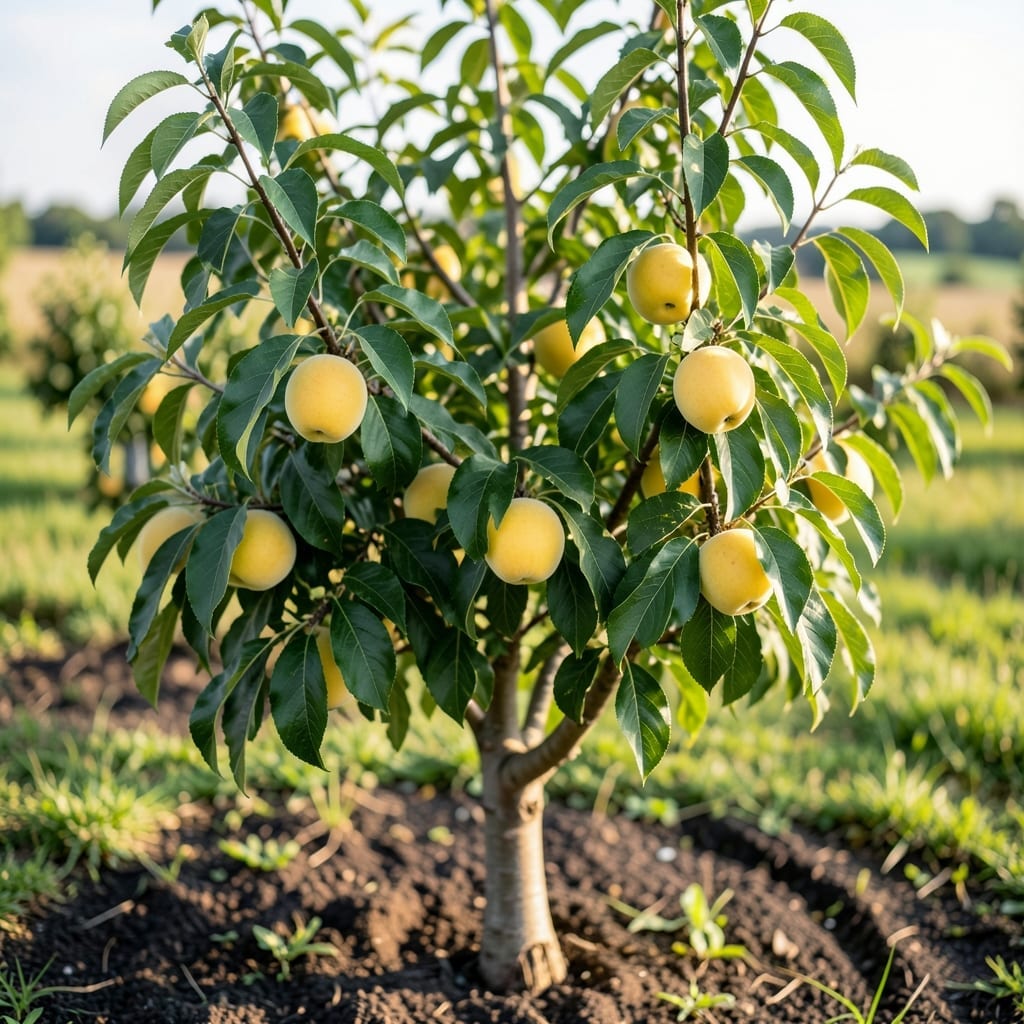
Elberta peaches are a garden favorite for their sweet, juicy flavor—but without the right chill hours, your 🍑 tree may never bear fruit. This hidden requirement is what separates thriving orchards from disappointing ones.
I learned the hard way that even perfect soil and sunlight won’t compensate for insufficient chill time. The Elberta Peach needs 700-850 hours below 45°F to break dormancy and produce those coveted summer treats.
Discover how to track these hours in your area and why they’re the key to your most abundant harvest yet. Your future self will thank you when that first ripe peach comes off the branch.
If you’ve ever wondered why your Elberta peach tree isn’t producing fruit, chill hours might be the missing piece. These are the cumulative hours between 32°F and 45°F a tree experiences during dormancy.
For Elberta peaches, 700-850 chill hours are essential to break dormancy, trigger flowering, and set fruit. Without enough, your tree may bloom erratically or not at all.
| Requirement | Specification |
|---|---|
| Chill Hours Needed | 700-850 hours |
| Temperature Range | 32°F to 45°F |
| USDA Zones | 5-9 |
| Effect of Insufficient Chill | Poor flowering, low yield |
This cold period is nature’s way of ensuring the tree doesn’t break dormancy too early. In regions with mild winters, like Zone 8-9, Elberta peaches may struggle to meet their chill hour needs.
I’ve seen gardeners in Zone 7 get consistent harvests, while those in Zone 10 often face disappointment. The tree needs that cold snap to reset its internal clock.
When chill hours are met, you’ll see uniform bud break and strong flower clusters. Without them, buds may open sporadically, leading to uneven fruit set and smaller yields.
Even late frosts can disrupt chill accumulation. A warm spell in winter followed by a freeze can confuse the tree, causing it to break dormancy prematurely. ☀️
For gardeners in marginal zones, consider microclimates. A north-facing slope or low-lying area can accumulate more chill hours than a sunny, exposed spot.
Remember, chill hours are not the same as frost hours. Temperatures above 60°F can actually reverse some of the chill accumulation your tree has built up.
If you’re unsure about your area’s chill hours, check with your local extension office or use an online chill hour calculator. These tools track historical weather data to give you an accurate estimate.
With the right chill hours, your Elberta peach tree will reward you with abundant, juicy fruit year after year. 🌳
Tracking chill hours for your Elberta peach tree is simpler than you think. I use a dormancy calculator from my local university extension—just input your zip code and it does the work.
For hands-on gardeners, a temperature log works too. Note hours between 32°F-45°F from November to February. Many weather stations now provide this data automatically.
If you’re short on chill hours, try planting near a north-facing fence or in a low-lying area. These spots stay cooler longer, helping accumulate those crucial hours.
For gardeners in Zone 8-9, consider low-chill peach varieties as a backup. While not Elberta, they’ll still give you that homegrown peach satisfaction with fewer chill hours needed.
Avoid urban heat islands—paved areas and south-facing walls can reduce chill accumulation. I learned this when my tree near the driveway consistently underperformed compared to others.
Remember, consistent cold is better than fluctuating temps. A steady 40°F is more effective than swings between 30°F and 50°F. ☀️
With proper tracking and placement, you’ll hit that 700-850 hour sweet spot. Your Elberta peach tree will thank you with a bountiful harvest come summer. 🌳