
Beautiful Plants For Your Interior
Beautiful Plants For Your Interior
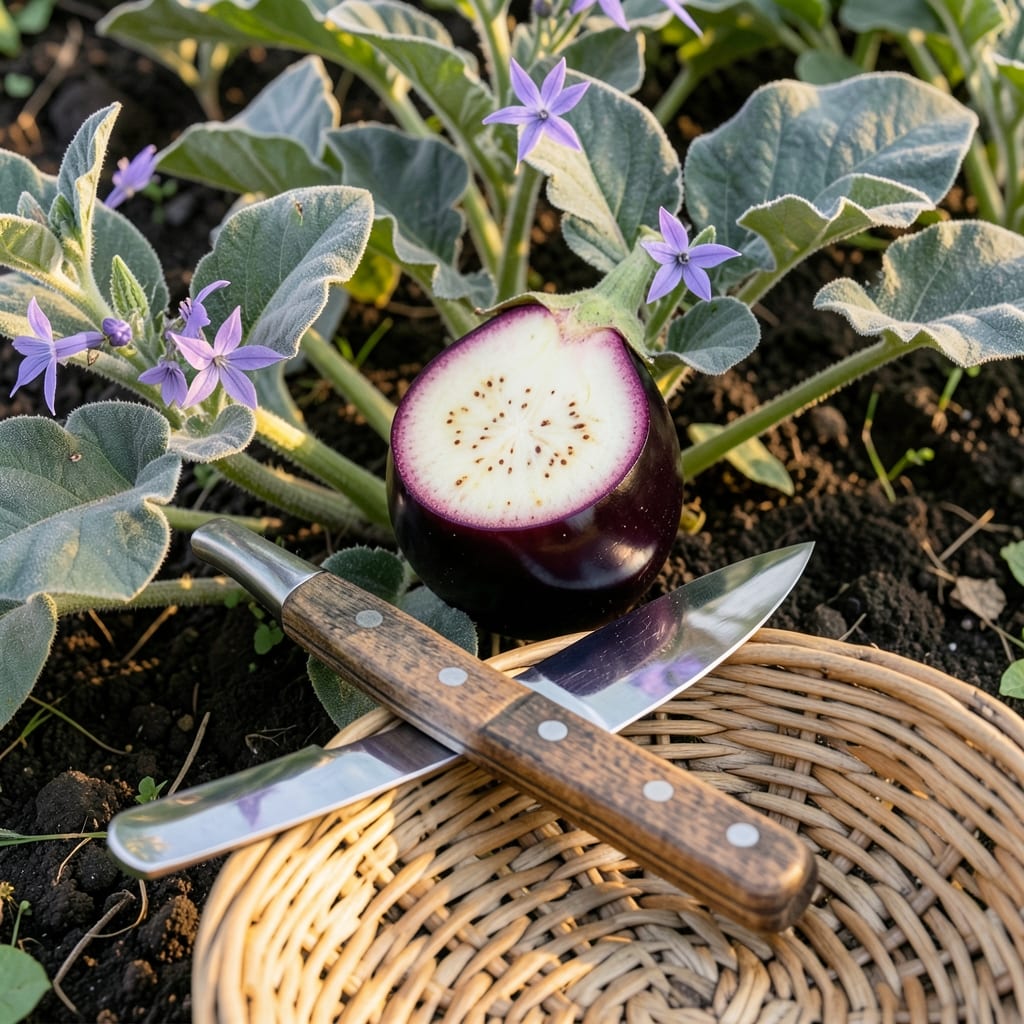
Brown seeds in eggplant indicate overripeness or poor pollination. The fruit becomes bitter and seedy as it ages past its peak. Harvest eggplants when glossy and firm for the best texture and flavor.
I’ve noticed that when eggplants stay on the vine too long, the seeds darken and the flesh develops a tougher, less pleasant consistency. This happens because the fruit continues maturing beyond its ideal eating stage. To avoid this, I check my plants regularly and pick them as soon as they reach full size but while the skin still has that signature glossy sheen. 💫
💡 In This Article
Eggplant seeds begin as tiny white or cream-colored specks that gradually darken as the fruit matures. The browning process occurs when the fruit stays on the vine past its prime, typically 10-14 days beyond optimal ripeness. This extended maturation triggers enzymatic changes that break down cell walls, causing the seeds to oxidize and turn brown.
🔥
Poor pollination plays a significant role in seed discoloration. When flowers aren’t adequately pollinated, the fruit develops unevenly, leading to clusters of brown seeds. Bees and other pollinators are most active between 9 AM-12 PM, so morning pollination is crucial for healthy seed development.
The lack of proper fertilization means the seeds don’t mature uniformly, resulting in that characteristic brown spotting. ✨
The fruit’s internal chemistry shifts dramatically during overripening. Solanine and other glycoalkaloids increase, contributing to that bitter taste you notice in older eggplants. These compounds develop as a natural defense mechanism, making the fruit less appealing to pests but also to human palates.
The seed cavities expand, and the flesh becomes spongy as moisture content decreases by up to 20%. 💫
Environmental stressors accelerate seed browning. Drought conditions or inconsistent watering cause the plant to prioritize seed development over flesh quality. Temperatures above 90°F for extended periods can also trigger premature aging.
In my garden, I’ve found that eggplants grown in partial shade during heatwaves maintain better seed color and texture compared to those in full sun. ⚡
You’ll often find that store-bought eggplants with brown seeds were harvested 3-5 days later than ideal. Commercial growers sometimes delay picking to maximize size, not realizing this compromises quality. The difference between a perfectly ripe eggplant and one with brown seeds can be as little as 48 hours on the vine.
This small window explains why homegrown varieties often taste superior when picked at the right moment. 🌟
Yes, but the flesh may taste bitter. Overripe eggplants develop higher solanine levels, which can cause stomach upset in sensitive individuals. Best to remove the seedy center or compost it.
Look for dull skin, a soft texture when pressed, and visible browning inside. Perfect eggplants are glossy and firm with cream-colored seeds. Harvest within 2-3 days of reaching full size.
Brown seeds often mean the fruit is past peak ripeness, leading to a bitter, spongy texture. Younger eggplants with white seeds are sweeter and more tender.
Store at 50-55°F with good air circulation. Use within 5-7 days for best quality. Refrigeration slows ripening but won’t reverse existing seed discoloration.