
Beautiful Plants For Your Interior
Beautiful Plants For Your Interior
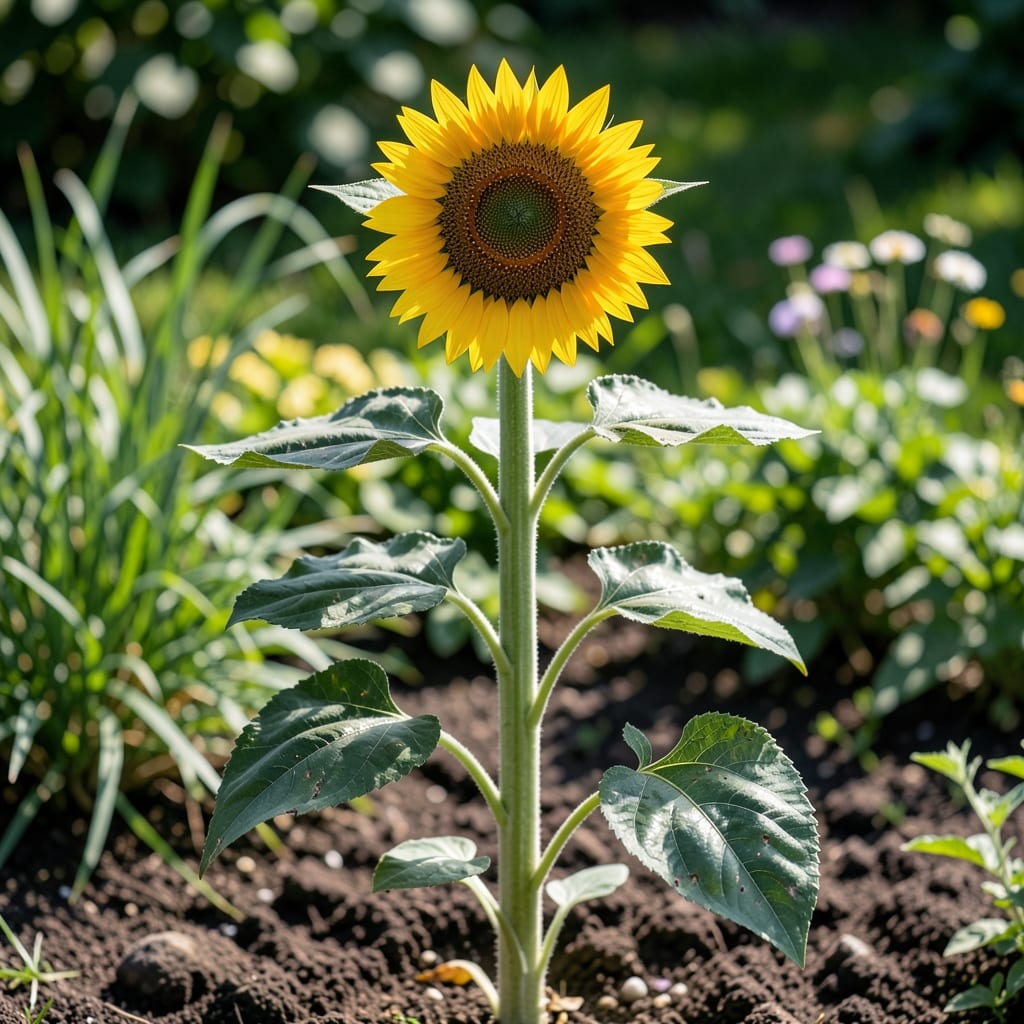
Sunflower leaves are edible and non-toxic, offering a mild, slightly earthy flavor. Young leaves are tender and best for raw use, while mature leaves work well cooked. Always harvest from pesticide-free plants.
I love how versatile these greens can be in the kitchen. The younger ones add a fresh crunch to salads, while older leaves develop a spinach-like texture when sautéed. 🔥 They’re packed with vitamins and minerals, making them a powerhouse addition to meals. Just be sure to wash them thoroughly to remove any dirt or residue before cooking.
💡 In This Article
Sunflower leaves pack a surprising nutritional punch. They’re rich in vitamin A (about 150 IU per 100g), supporting vision and immune function, and contain vitamin C for antioxidant protection. The mineral profile includes calcium (80mg/100g) and iron (2.5mg/100g), which aid bone health and oxygen transport in the blood. 🔥
What makes them stand out is their chlorophyll content. This green pigment not only gives the leaves their color but also acts as a natural detoxifier, helping the body eliminate harmful substances. The leaves also contain flavonoids, which have anti-inflammatory properties and may support heart health by improving blood vessel function.
For digestion, the fiber in sunflower leaves (about 3g per 100g) promotes gut health by feeding beneficial gut bacteria. This fiber also helps regulate blood sugar levels, making the leaves a smart addition for those managing diabetes. The mild earthy flavor comes from organic compounds like terpenes, which also contribute to their antioxidant capacity. ✨
Compared to spinach, sunflower leaves have a similar mineral density but with a slightly higher concentration of magnesium (50mg/100g), which plays a key role in muscle and nerve function. They’re also lower in oxalates, the compounds that can inhibit mineral absorption in some leafy greens. This makes their nutrients more bioavailable to your body.
In traditional medicine, sunflower leaf tea has been used to soothe sore throats and reduce fever due to its mild astringent properties. The leaves’ diuretic effect can help flush out toxins, supporting kidney function. While not a cure-all, their nutrient density makes them a valuable addition to a balanced diet. 💫
Yes, but only from non-treated plants. Avoid leaves exposed to pesticides or herbicides. Young, tender leaves are best for raw dishes, while mature ones work cooked.
Blanch mature leaves in boiling water for 1-2 minutes before cooking. This softens the texture and removes bitterness. Pair with acidic ingredients like lemon to balance flavors.
Young leaves blend well with fruits like banana or berries. Use 1/2 cup per serving and strain if you prefer a smoother texture. Adds nutrients without overpowering flavor.
Store unwashed in damp paper towels inside an airtight container for up to 5 days. Wash just before use to maintain freshness and prevent sliminess.