
Beautiful Plants For Your Interior
Beautiful Plants For Your Interior
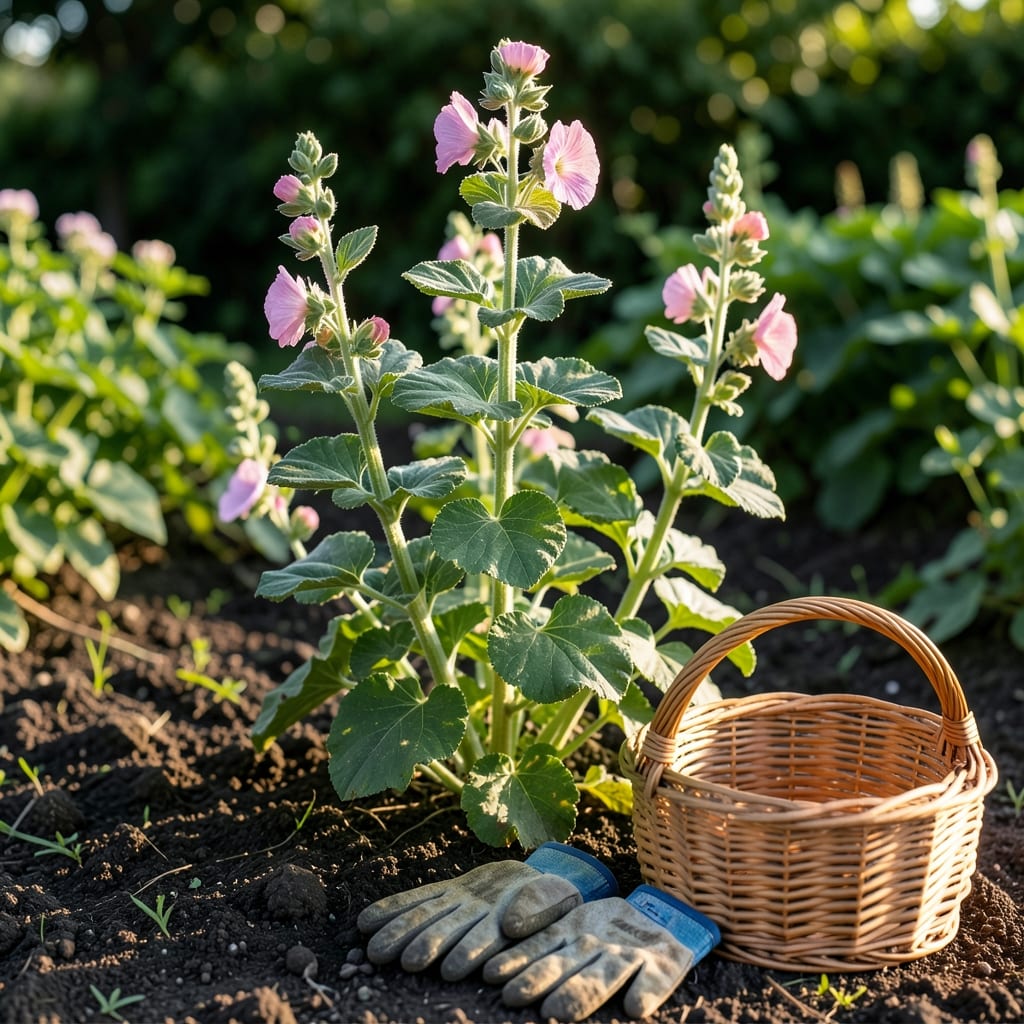
Mallow leaves are mild, slightly tangy, and rich in vitamins A and C, calcium, and magnesium. They can be eaten raw in salads or cooked like spinach for a nutrient boost.
I love how these greens bring a gentle earthiness to dishes, making them a great addition to smoothies or soups. Their high vitamin A content supports vision health, while the magnesium helps with muscle function. Many foragers prize them for their versatility and subtle flavor that pairs well with lemon or garlic. ✨
💡 In This Article
Mallow leaves pack a surprising vitamin A punch—just 1 cup of raw leaves provides about 40% of your daily needs. This fat-soluble vitamin supports vision, immune function, and skin health by promoting cell growth and differentiation.
The leaves also contain vitamin C, a powerful antioxidant that aids collagen production and iron absorption, with roughly 20 mg per serving. 🔥
The mineral profile is equally impressive. A single serving delivers 15% DV of calcium, crucial for bone strength, and 10% DV of magnesium, which regulates muscle and nerve function.
What most people don’t realize is that mallow leaves contain bioavailable forms of these minerals, meaning your body absorbs them more efficiently than from some other greens. ✨
Beyond vitamins and minerals, mallow leaves are rich in polyphenols and flavonoids. These compounds act as antioxidants, neutralizing free radicals that can damage cells and contribute to chronic diseases. Research shows that the antioxidant capacity of mallow leaves is comparable to that of kale, making them a powerhouse for reducing inflammation. 🌟
Mallow leaves also contain mucilage, a gel-like substance that soothes the digestive tract. This natural compound helps relieve irritation in the stomach and intestines, which is why herbalists often recommend mallow tea for digestive discomfort. The mucilage content is highest in fresh, young leaves, so harvesting them early ensures maximum benefit. ⚡
For those watching their calorie intake, mallow leaves are a fantastic choice. With only 20 calories per cup and 2 grams of fiber, they’re a low-calorie, nutrient-dense addition to any meal. The fiber content supports gut health by promoting regularity and feeding beneficial gut bacteria. 💫
They have a mild, slightly earthy flavor with a subtle tang. Young leaves are tender and can be eaten raw, while mature ones develop a gentle sweetness when cooked. Their texture is similar to spinach but with a velvety feel.
Avoid harvesting from roadsides or sprayed areas. Some people may experience mild digestive adjustments when first trying them. Always start with small amounts and harvest sustainably—never take more than 30% of leaves from a single plant.
Young leaves are perfect raw—just wash thoroughly first. Their mild flavor pairs well with lemon, olive oil, or feta. For extra crunch, add nuts or seeds to complement their tender texture.
Store unwashed leaves in a sealed container with a paper towel for 3-4 days. For longer storage, blanch for 30 seconds then freeze. This preserves their color and nutrients better than raw freezing.