
Beautiful Plants For Your Interior
Beautiful Plants For Your Interior
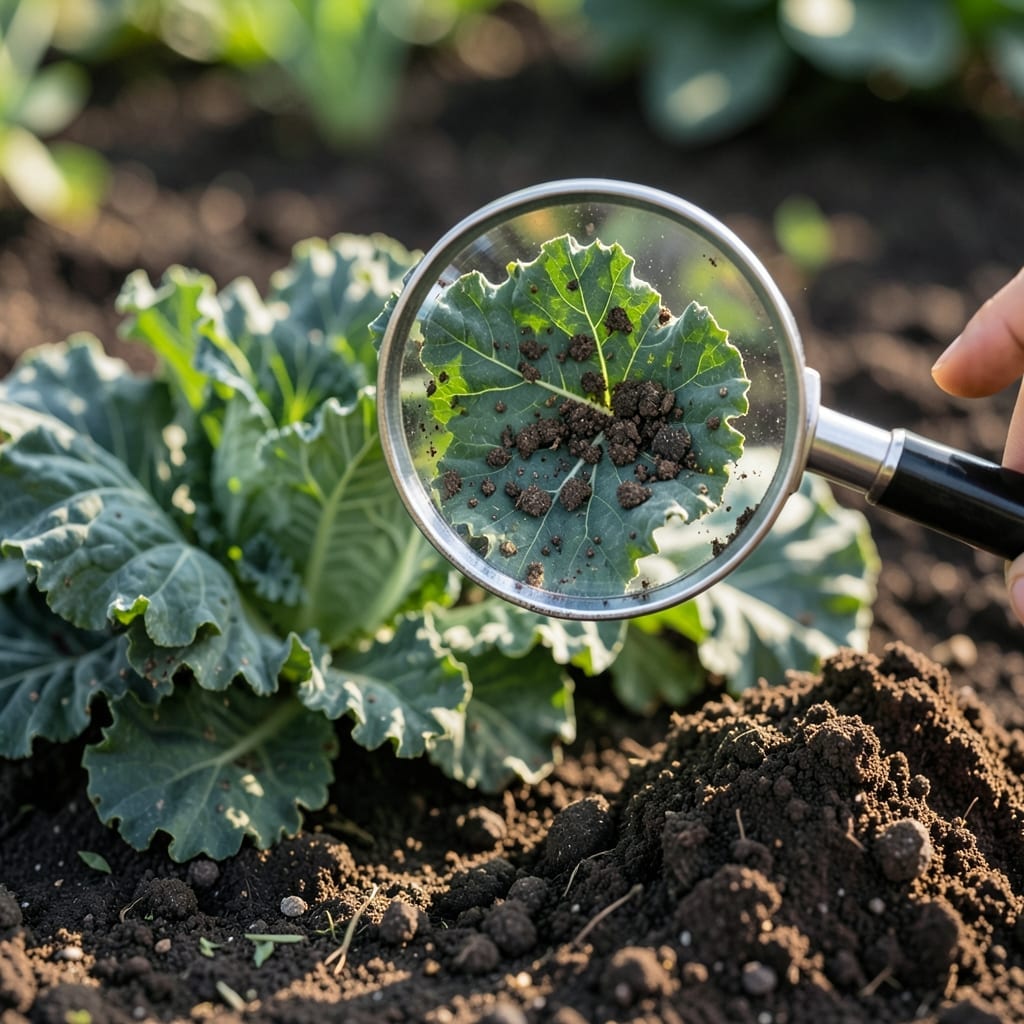
Nothing ruins a harvest like worrying about what you can’t see. I learned the hard way that E. coli in homegrown veggies is real—but completely preventable with the right habits.
Contamination usually starts with soil, water, or poor hygiene. Manure that hasn’t aged 6 months, compost that didn’t heat up, or washing produce with dirty water can all introduce risks.
Simple fixes make a difference: use aged compost, avoid overhead watering, and always wash hands before harvesting. These steps keep your garden safe and your mind at ease.
From planting to plate, small changes protect your food. Here’s how to grow with confidence and enjoy every bite without second-guessing.
Understanding how E. coli ends up in vegetables starts with recognizing the sources of contamination. Here’s a breakdown of the primary causes:
The most common source of E. coli in vegetables is contact with animal feces. This can happen when:
Water is a major vector for E. coli transmission. Contamination occurs when:
Human handling is another critical factor. E. coli can spread when:
E. coli can survive in soil for weeks or even months, especially in cool, moist conditions. Once introduced via manure or water, the bacteria can:
Keeping E. coli out of your vegetables starts with smart habits at every step—from the farm to your plate. Here’s how to tackle common causes and fix them for good.
If the soil is tainted, your veggies start at a disadvantage. Fix it: Buy produce from trusted suppliers who test soil for bacteria. For home gardens, use compost that’s been properly heated to kill pathogens. Avoid fresh manure—opt for well-aged or commercial fertilizers labeled “pathogen-free.”
Dirty water can spread E. coli directly to crops. Fix it: If you’re growing your own, use treated or municipal water for irrigation. Collect rainwater in clean, covered barrels to avoid contamination from animal droppings or runoff. For store-bought veggies, rinse them under running water before use—soaking isn’t enough!
💡 Pro tip: A 30-second scrub with a clean brush removes more dirt (and bacteria) than a quick rinse.
Raw veggies can pick up E. coli from meat, cutting boards, or unwashed hands. Fix it: Use separate cutting boards for produce and raw meat. Wash your hands thoroughly with soap before and after handling food. Sanitize countertops and utensils with hot, soapy water or a disinfectant.
Bacteria thrive at room temperature. Fix it: Refrigerate leafy greens and other high-risk veggies (like sprouts) within 2 hours of purchase. Store them in sealed containers to prevent drips from raw meat or other contaminants. Keep your fridge at 40°F (4°C) or below.
Some veggies, like sprouts, are often eaten raw but carry higher risks. Fix it: If you’re in a high-risk group (pregnant, elderly, or immunocompromised), cook sprouts thoroughly. For salads, peel and discard outer leaves of lettuce or cabbage, where bacteria often hide.
🎯 Prevention Recap: Source wisely, wash thoroughly, separate carefully, store properly, and cook when in doubt. Small steps add up to big protection!
Washing removes surface dirt and some bacteria, but it may not eliminate all. A thorough rinse under running water with gentle scrubbing helps, but internal contamination requires proper sourcing and storage.
Organic doesn’t mean bacteria-free. Both organic and conventional produce can be affected by contaminated soil or water. Always follow safe handling practices regardless of farming methods.
E. coli can survive for weeks in cool, moist conditions like refrigerators. Proper storage at 40°F (4°C) or below slows growth but doesn’t kill existing bacteria.
Discard any suspect produce sealed in a bag. Clean all surfaces and utensils that touched it with hot, soapy water to prevent spread.