
Beautiful Plants For Your Interior
Beautiful Plants For Your Interior
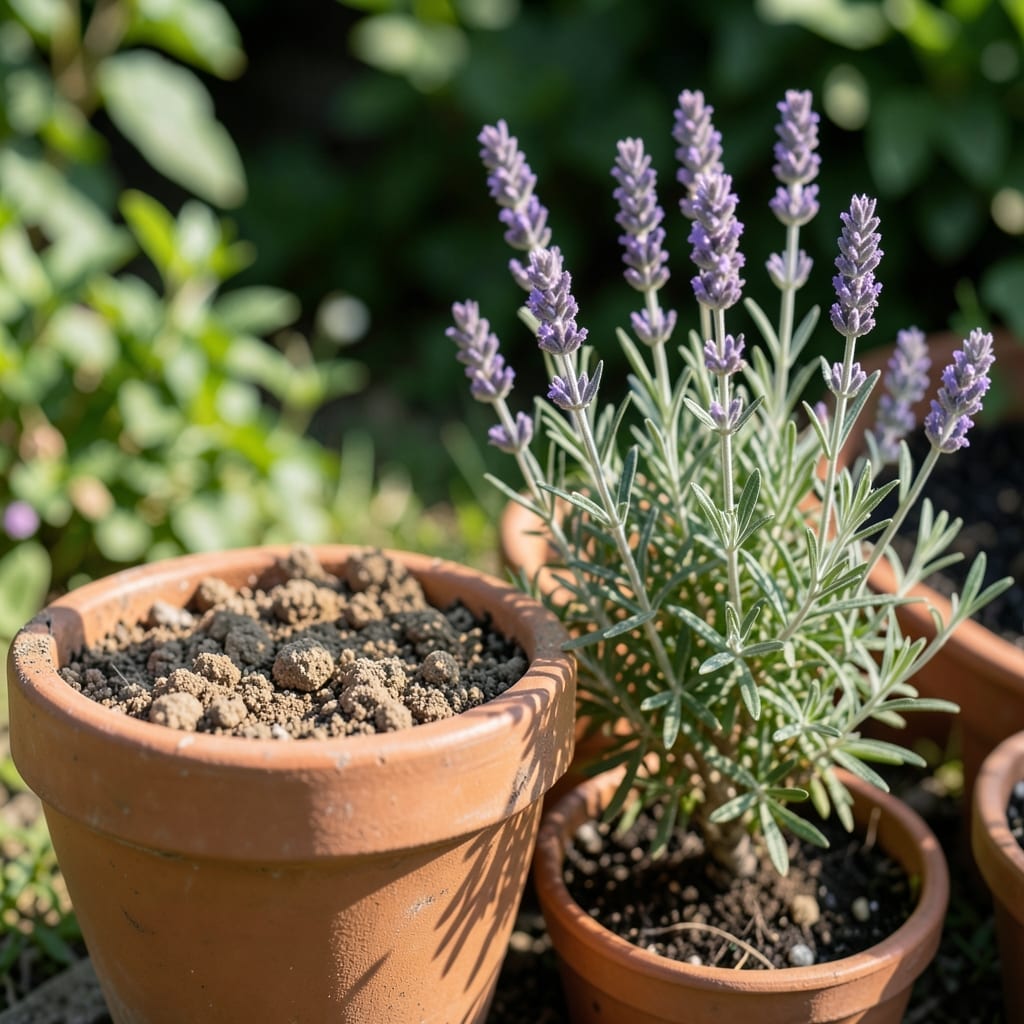
Struggling to keep potted plants alive in hot, dry conditions? You’re not alone in this battle against wilting leaves and parched soil.
I’ve discovered that drought-resistant varieties can transform your container garden with minimal effort. These hardy plants not only survive but thrive with less water.
Discover the best low-maintenance options that will keep your pots lush and vibrant, even when you forget to water them for a week or more.
When I first started container gardening in dry climates, I quickly learned that not all plants can handle the heat and limited water. Drought-resistant varieties are game-changers for pots, offering beauty with minimal care.
I’ve tested numerous options and found that succulents, herbs, and certain flowering plants thrive best in containers with little water. These plants store moisture efficiently and bounce back from dry spells.
| Variety | Water Needs | Sun Requirements | Best For |
|---|---|---|---|
| Lavender | Low | Full Sun | Fragrance |
| Sedum | Very Low | Full Sun | Ground Cover |
| Rosemary | Low | Full Sun | Culinary Use |
| Aloe Vera | Very Low | Partial Sun | Medicinal |
| Portulaca | Low | Full Sun | Colorful Blooms |
I always recommend Lavender for beginners because it’s incredibly forgiving. It needs full sun and well-draining soil, and it rewards you with fragrant blooms all season long.
Sedum is another favorite of mine for its hardy nature and low maintenance. It spreads beautifully in containers and requires almost no water once established.
For those who love herbs, Rosemary is a must. It’s drought-tolerant, smells amazing, and can be used in countless dishes. Just ensure it gets plenty of sunlight.
Aloe Vera is perfect if you want a dual-purpose plant. It thrives in dry conditions and has healing properties for your skin. Keep it in a spot with partial sun for best results.
If you’re looking to add a pop of color, Portulaca is ideal. This vibrant flowering plant loves the heat and blooms profusely with minimal water.
I’ve found that using terracotta pots helps with moisture control, as they allow the soil to dry out more evenly. Pair this with a good-quality potting mix for the best results.
Remember, even drought-resistant plants need occasional water. I check my pots every 7-10 days in hot weather, but always let the soil dry out between waterings.
Caring for drought-tolerant plants in pots is simpler than you might think. I focus on three key factors: soil, watering, and container choice to ensure my plants thrive in dry conditions.
I always start with a well-draining potting mix designed for succulents or cacti. This prevents water from pooling at the roots, which can be deadly for drought-resistant varieties.
When it comes to watering schedules, I’ve found that less is more. I water my pots every 10-14 days in moderate weather, increasing to 7-10 days during heatwaves.
I always check the soil first—if it’s dry 2 inches down, it’s time to water. A moisture meter can be a handy tool if you’re unsure. Remember, these plants prefer to be too dry rather than too wet.
Container choice matters more than you’d think. I prefer unglazed terracotta because it’s porous and allows the soil to dry out evenly. If you love the look of plastic pots, just ensure they have plenty of drainage holes.
Finally, don’t forget about fertilizing. Even drought-tolerant plants need nutrients. I use a balanced, water-soluble fertilizer every 4-6 weeks during the growing season, but go light—these plants don’t need heavy feeding.
With these simple steps, your drought-resistant potted plants will flourish with minimal effort 🌱