
Beautiful Plants For Your Interior
Beautiful Plants For Your Interior
Transform your backyard into a tropical paradise by growing dragon fruit from seed. This guide reveals ten essential steps to cultivate this exotic, nutrient-packed superfood right at home, even in non-tropical climates.
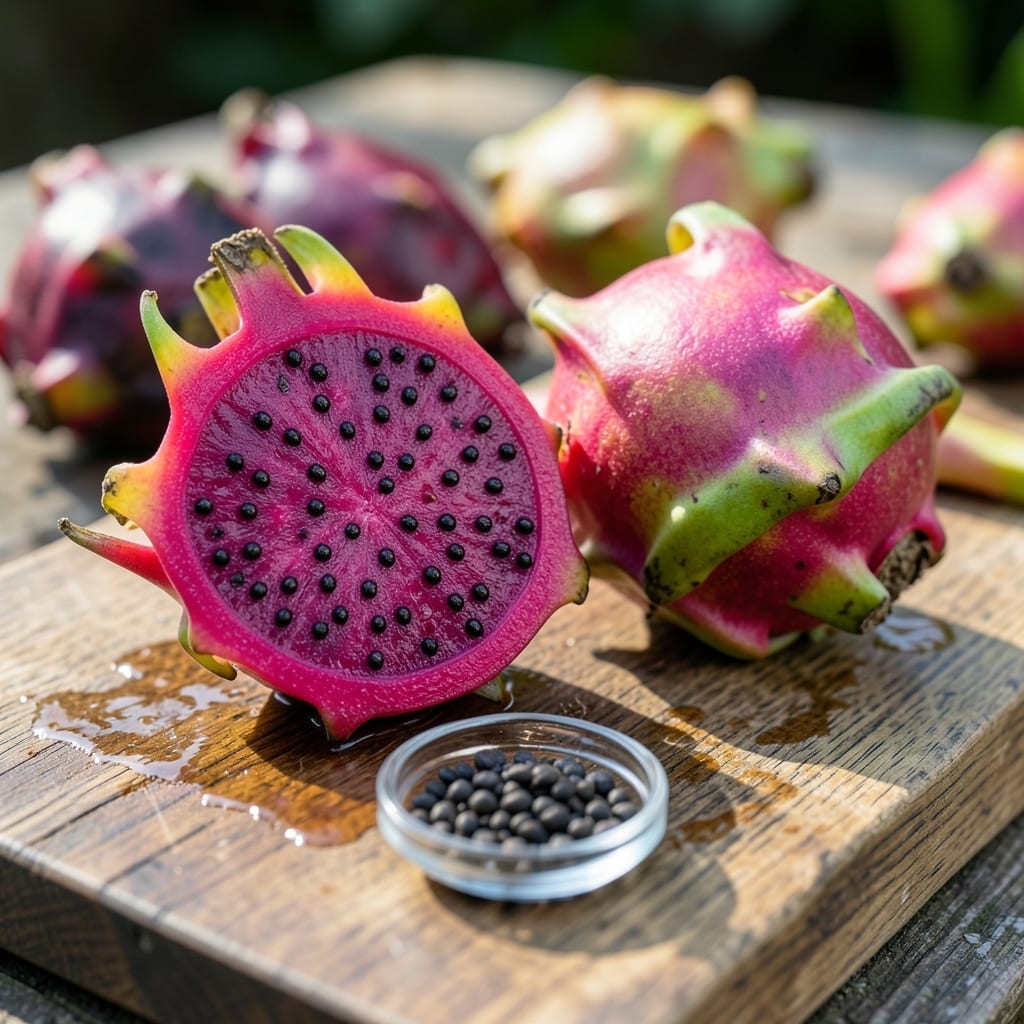
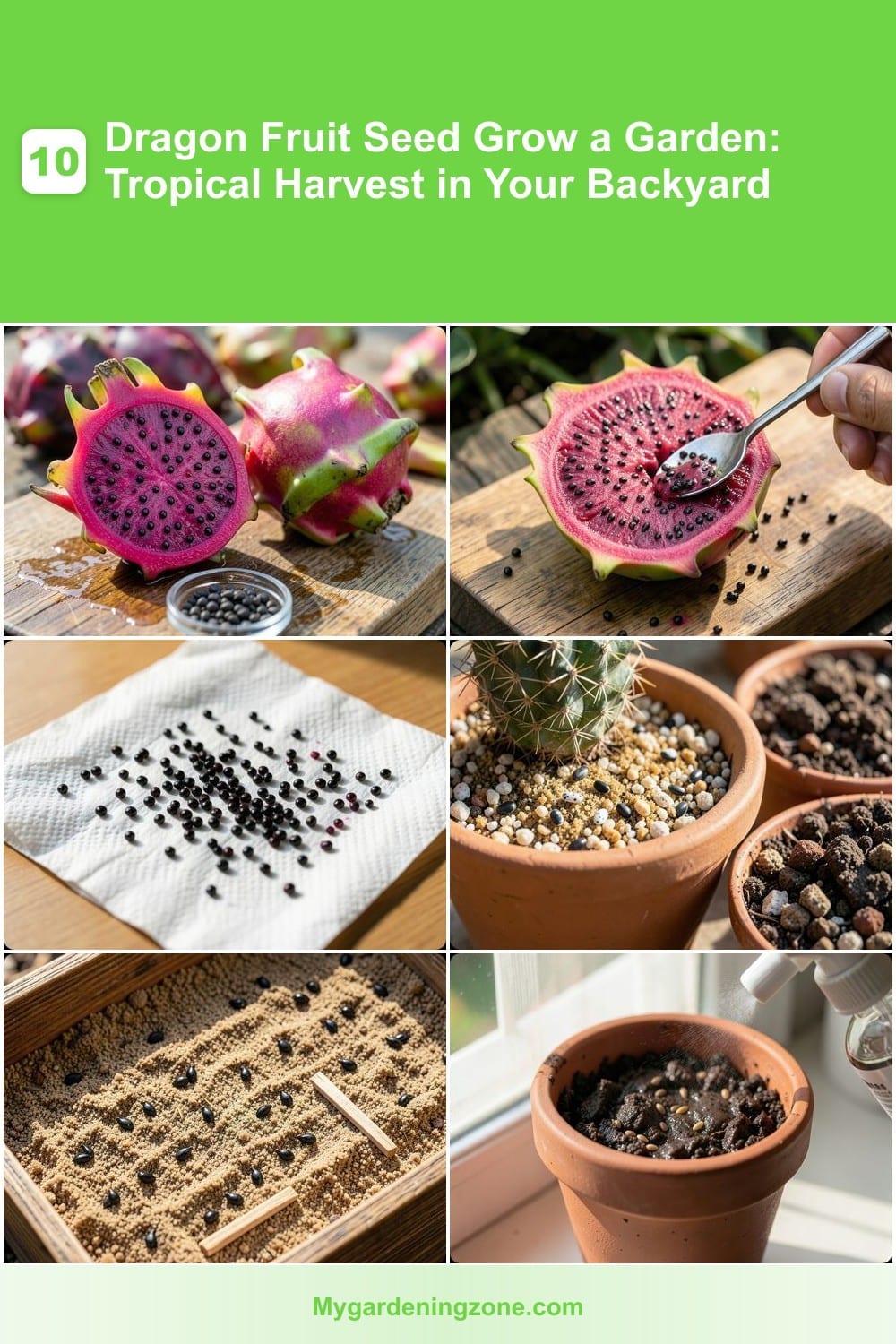
Your dragon fruit garden starts with the right seeds, and freshness is everything. Mature dragon fruit contains the most viable seeds, so choose fruit that’s fully ripe with vibrant color and slightly soft flesh.
Seeds from overripe or underripe fruit often have lower germination rates. Look for firm, unbruised specimens with deep pink or yellow skin, depending on the variety. The tiny black seeds inside should be plump and easy to separate from the pulp.
This step sets the foundation for healthy plants, especially for beginners eager to grow this tropical beauty at home. 🌱
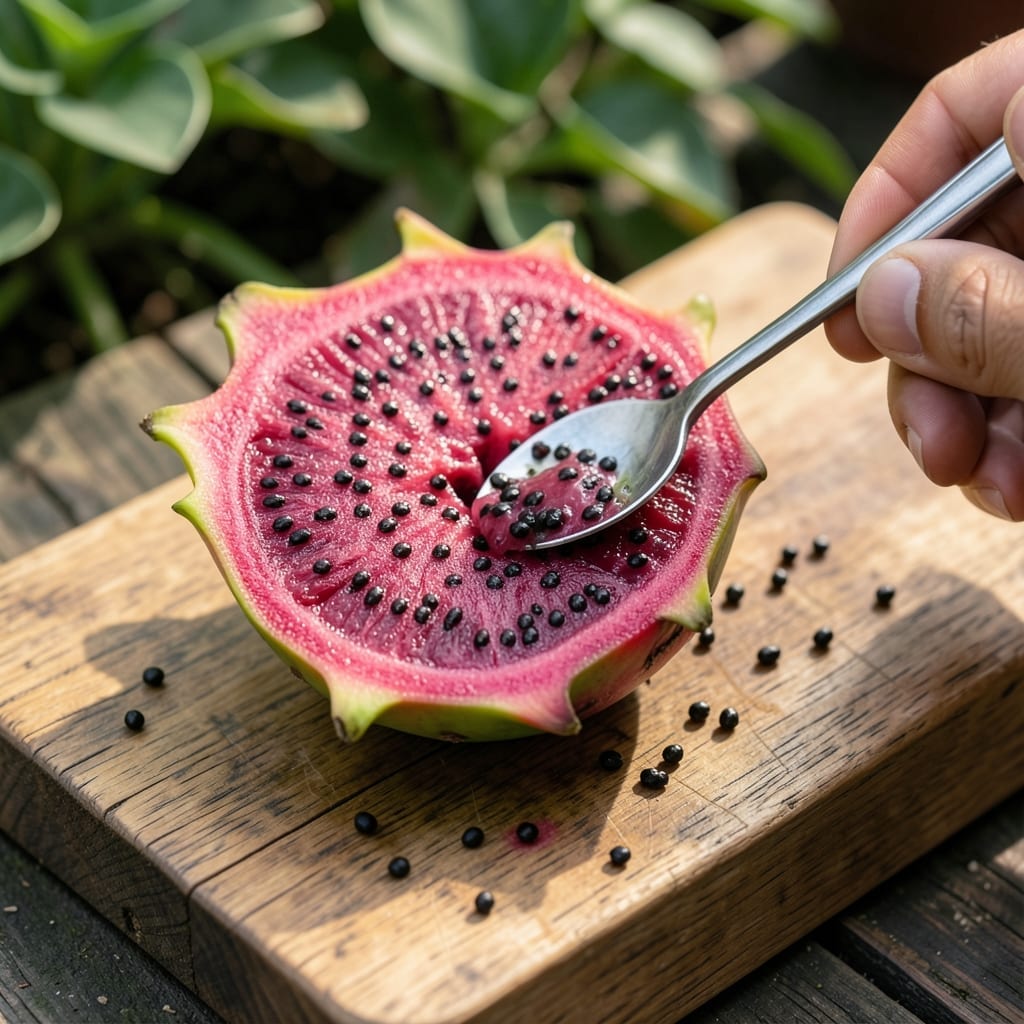
After selecting the perfect fruit, the next step is extracting those tiny dragon fruit seeds without harm. The pulp can cling stubbornly, but a gentle approach ensures you don’t crush or damage the seeds during separation.
Use your fingers or a soft spoon to tease the seeds away from the flesh, then rinse them under cool water to remove any remaining pulp. Avoid harsh scrubbing, as this can compromise the seed coat and lead to mold growth later on.
This careful technique is especially important for beginners, as undamaged seeds have the best chance of sprouting into healthy, vigorous plants. 🌱
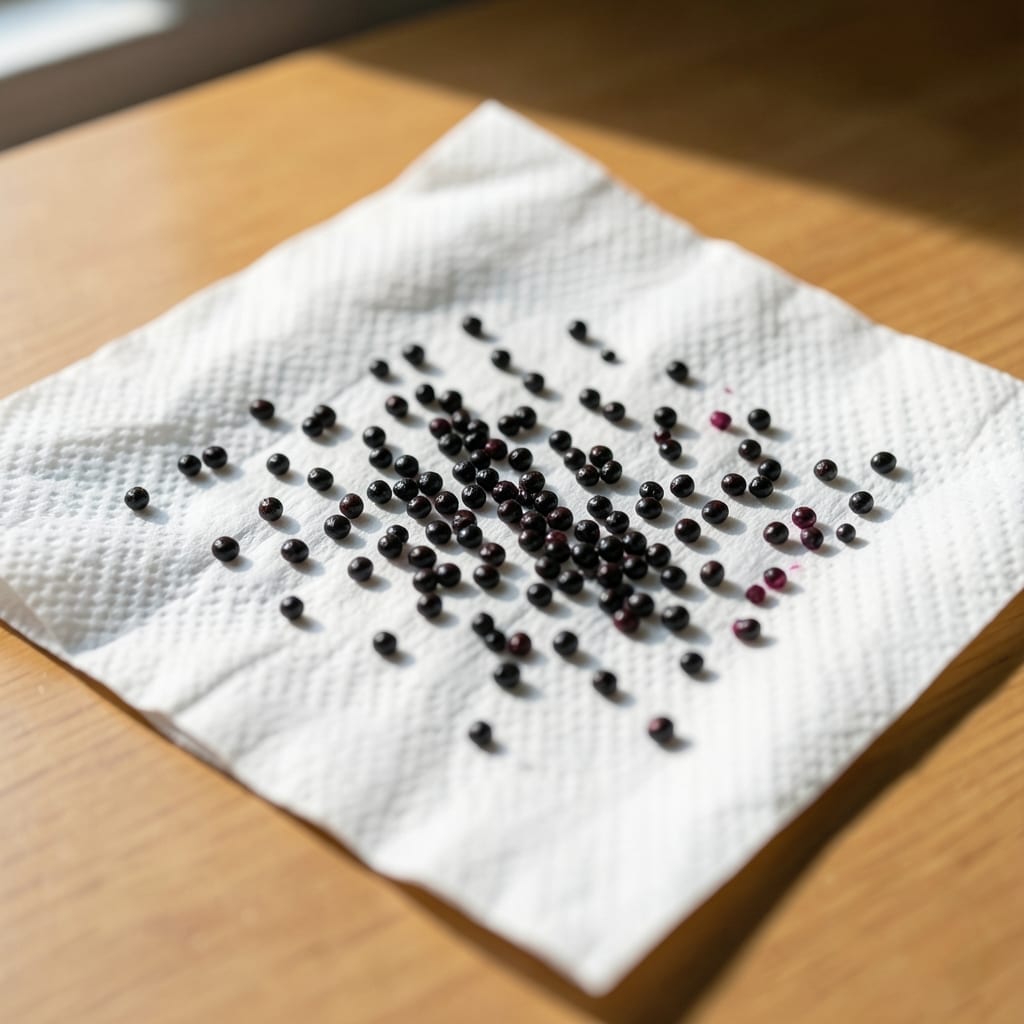
Drying your dragon fruit seeds is a game-changer for germination success. Excess moisture is the enemy of young seeds, often leading to rot before they even get a chance to sprout.
Spread freshly extracted seeds on a paper towel and let them dry for 12-24 hours in a warm, well-ventilated area. This simple step removes surface moisture while preserving the seed’s viability, giving your future plants the strongest possible start.
This method is ideal for gardeners who want to maximize their chances, especially when working with tropical seeds that are prone to fungal issues. 🌱
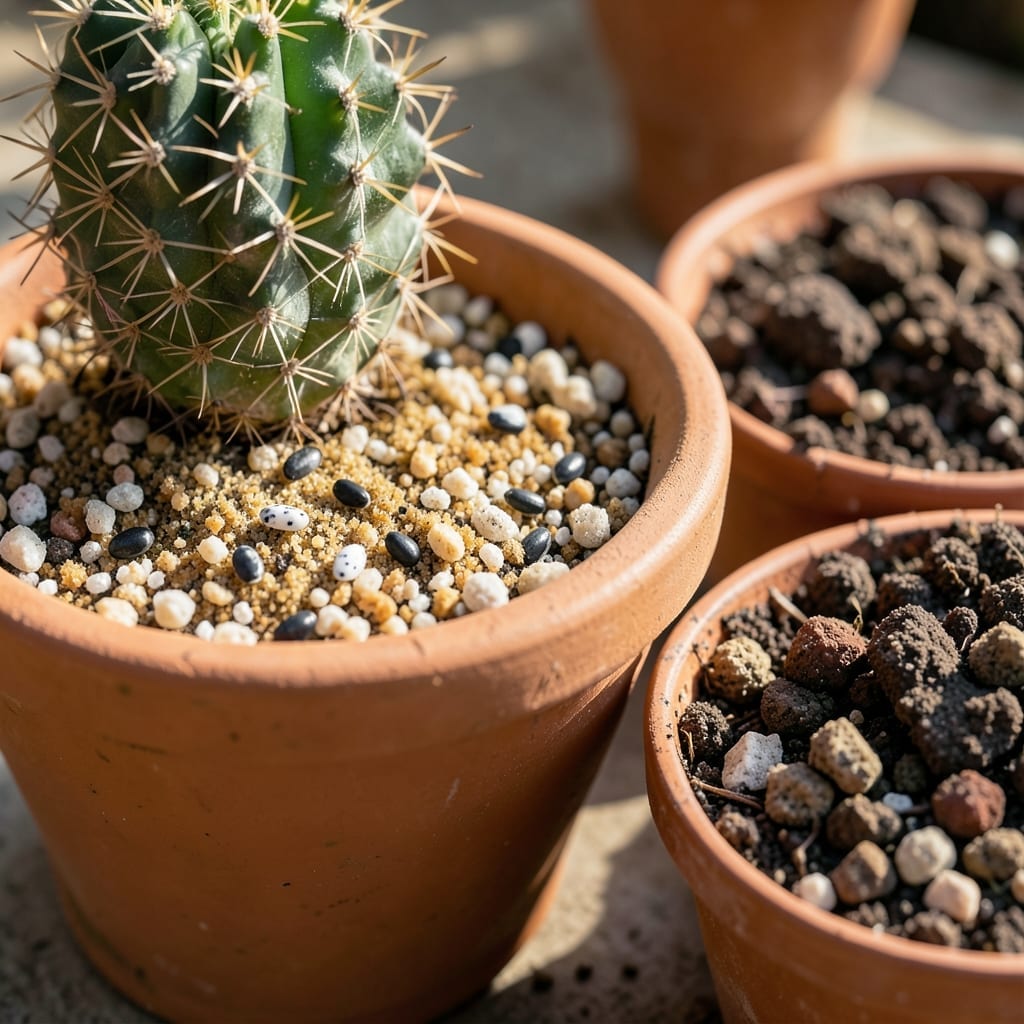
Dragon fruit seeds need a home that feels like their natural habitat—well-draining soil is non-negotiable. A standard potting mix holds too much moisture, which can suffocate seeds or encourage rot before they even sprout.
A cactus or succulent mix is your best bet, as it replicates the arid, fast-draining conditions of the dragon fruit’s native environment. You can also create your own blend by mixing 50% perlite or sand with regular potting soil for added drainage.
This setup ensures strong root development and gives your seeds the best chance to thrive, especially for gardeners aiming for tropical success. 🌱
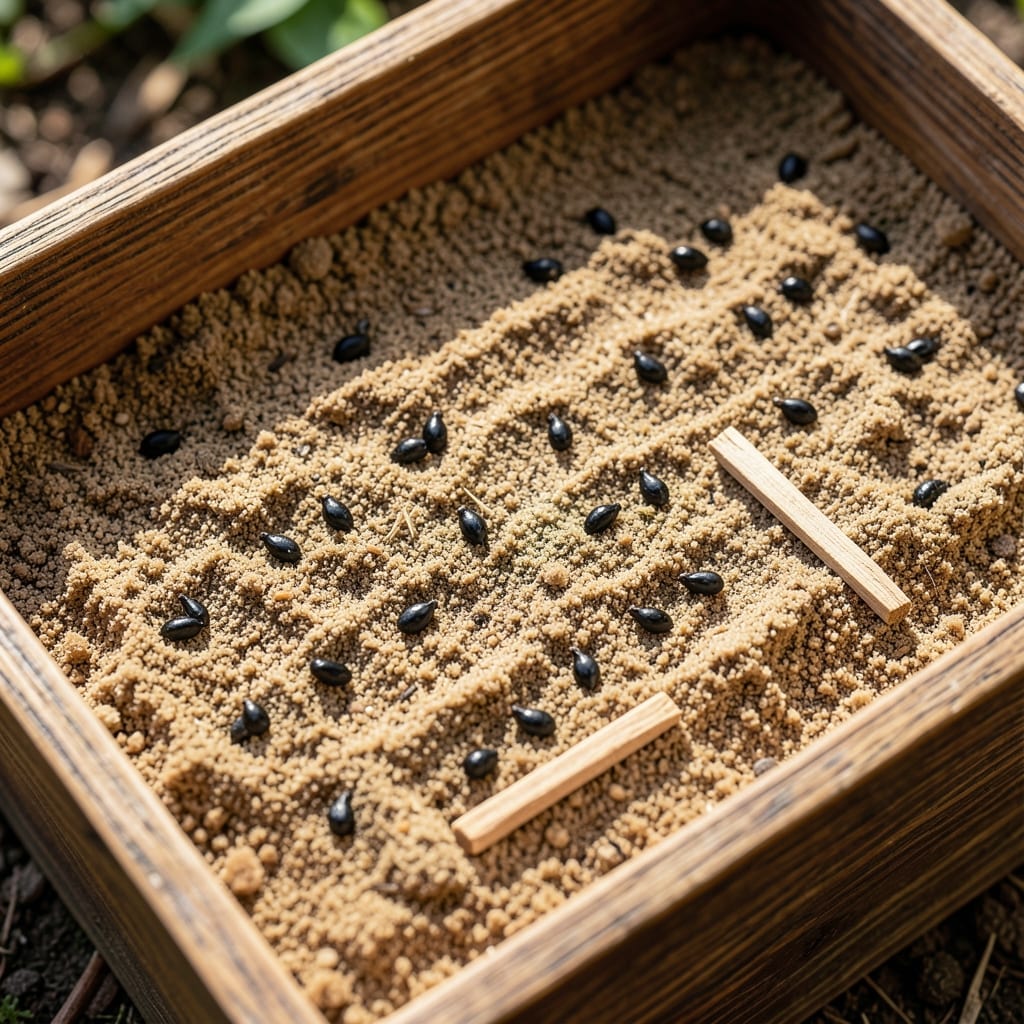
Getting the planting depth right is crucial for dragon fruit seeds, as too deep can block light, while too shallow risks them washing away. The sweet spot is just 1/4 inch deep in your growing medium.
This shallow depth allows essential light penetration to trigger germination while keeping seeds anchored. It also prevents water from pooling around the seeds, which can cause rot before they have a chance to sprout.
Perfect for beginners, this method ensures your seeds get the best start for growing into healthy, productive plants. 🌱
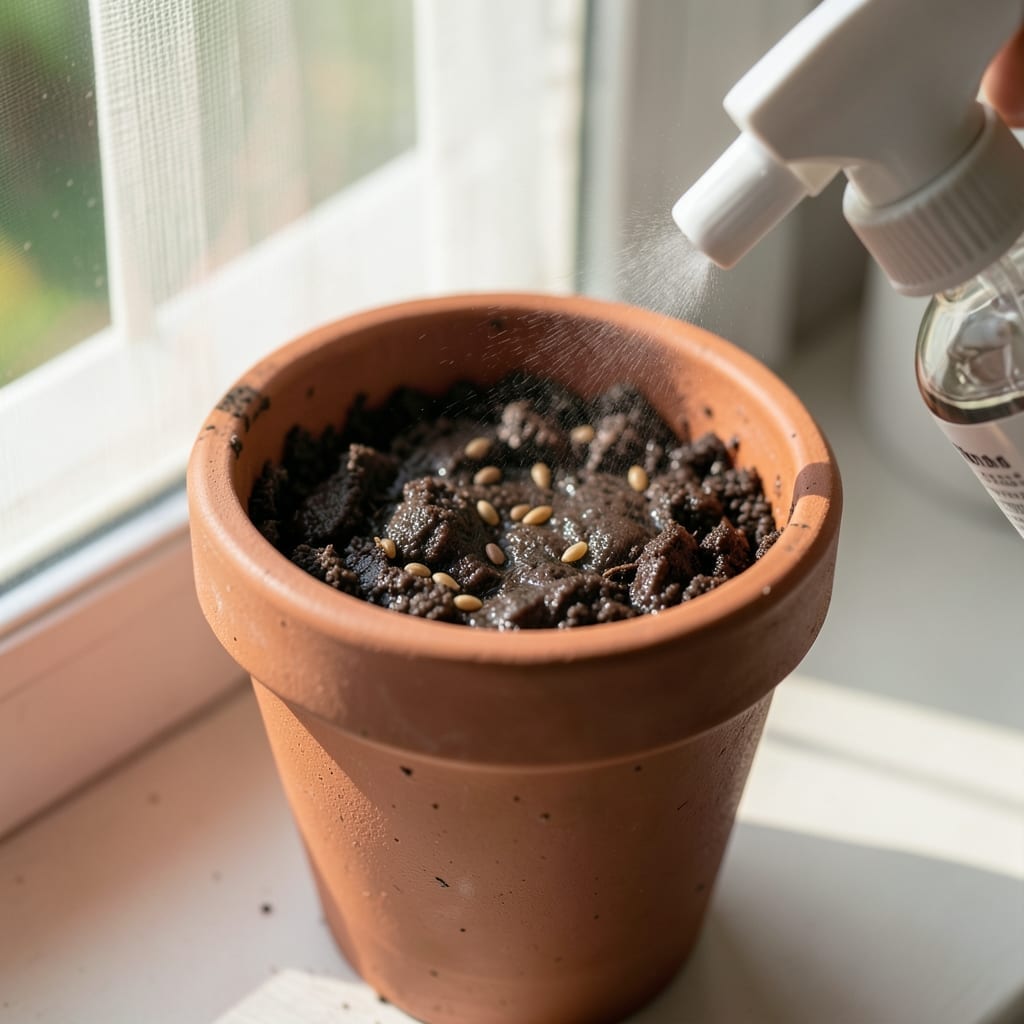
Too much water can drown your dragon fruit seeds before they even sprout, while too little leaves them parched. The key is maintaining a delicate balance—lightly moist soil that feels like a wrung-out sponge.
Use a spray bottle to mist the surface, keeping it consistently damp but never soggy. This prevents fungal growth that thrives in waterlogged conditions, which is especially critical during the first two weeks when seedlings are most vulnerable.
This careful approach gives your tropical seeds the best shot at germination, ideal for gardeners aiming for a healthy start. 🌱
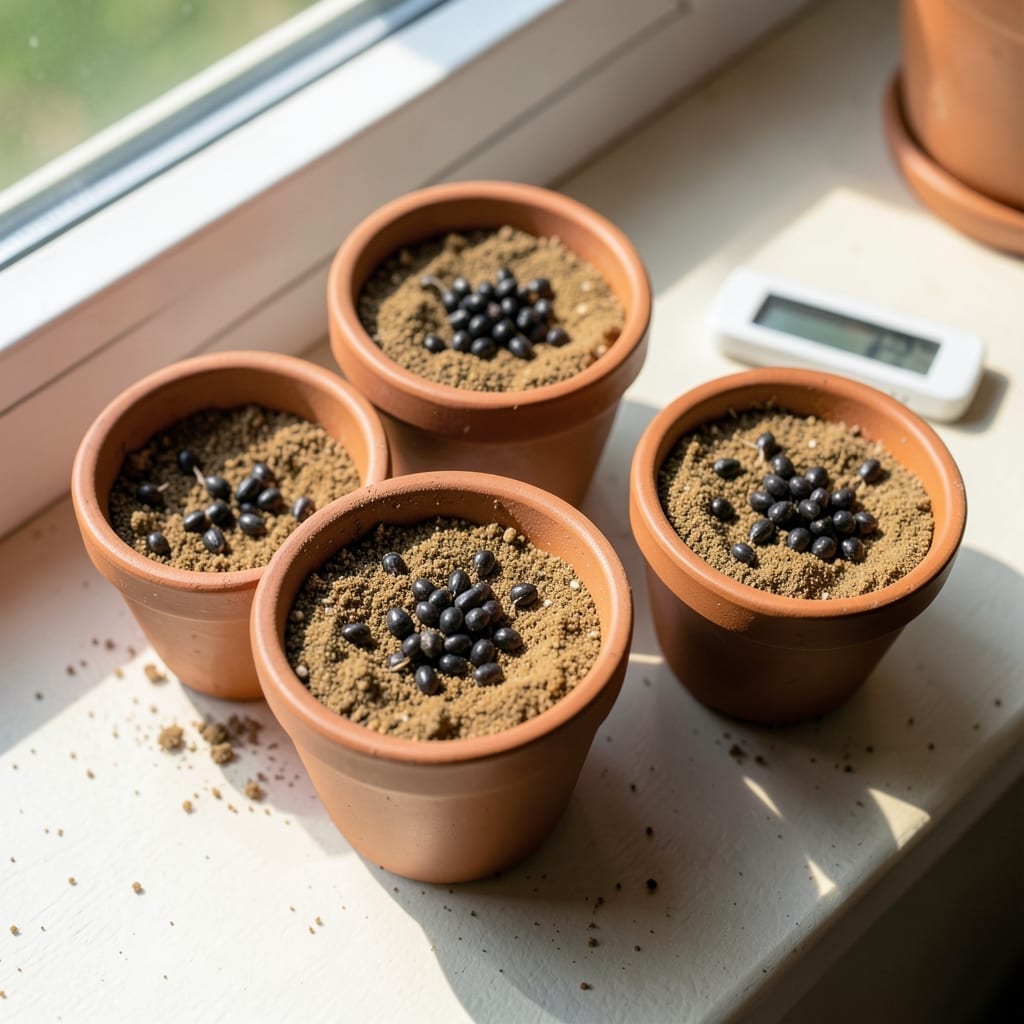
Warmth and light are the secret ingredients to wake up your dragon fruit seeds. These tropical natives won’t sprout in chilly or dim conditions—they need a cozy, bright environment to kickstart their growth.
Keep the soil at temperatures above 70°F and provide bright, indirect light for at least 12 hours daily. A sunny windowsill or a dedicated grow light setup works perfectly for this early stage.
This approach is perfect for gardeners starting seeds indoors, ensuring your tiny sprouts have the energy and warmth they need to thrive. ✨
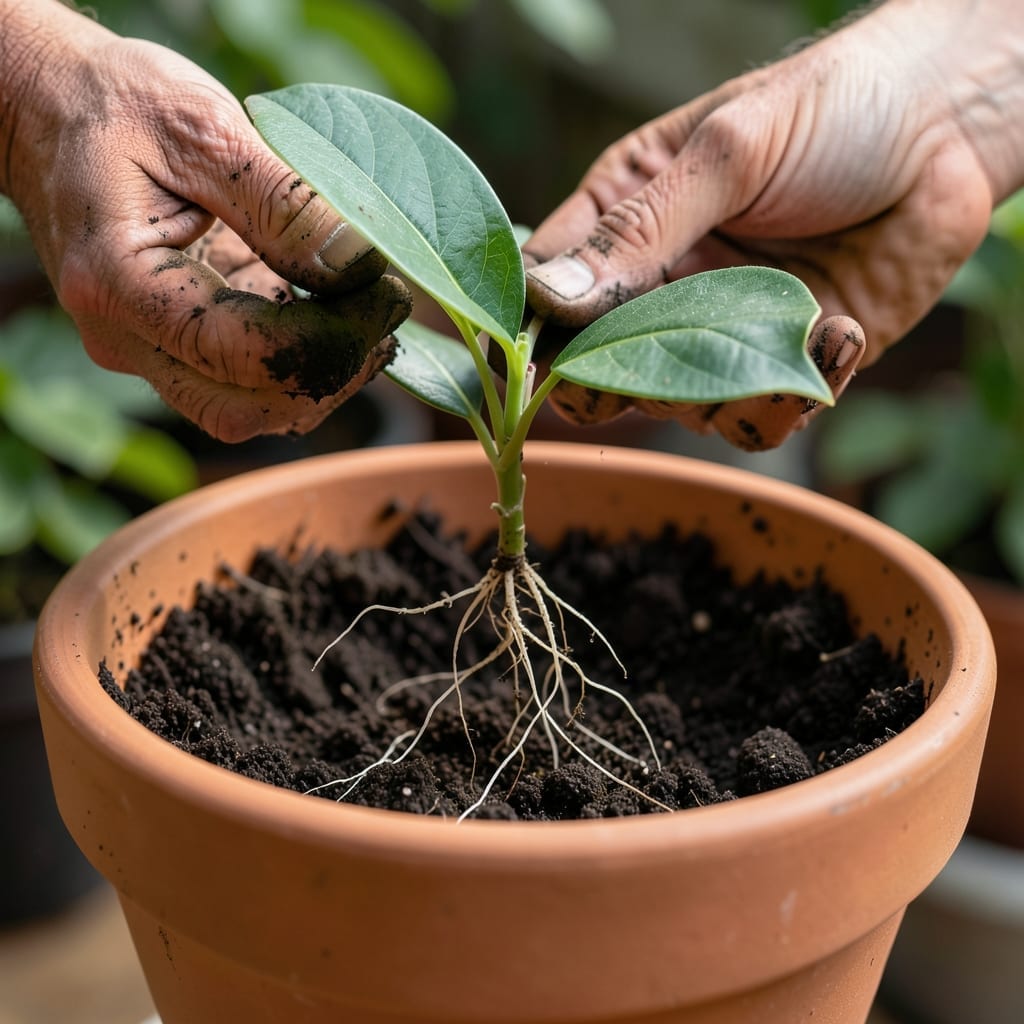
When your dragon fruit seedlings develop true leaves, it’s time to give them more room to grow. Moving them to larger pots prevents root crowding and supports healthier development.
Handle the delicate roots with care to avoid transplant shock. Gently lift the seedling by its leaves, not the stem, and place it in a pot with fresh well-draining soil. Water lightly afterward to help it settle into its new home.
This step is crucial for beginners, ensuring your tropical plants continue to thrive as they grow larger and stronger. 🌱
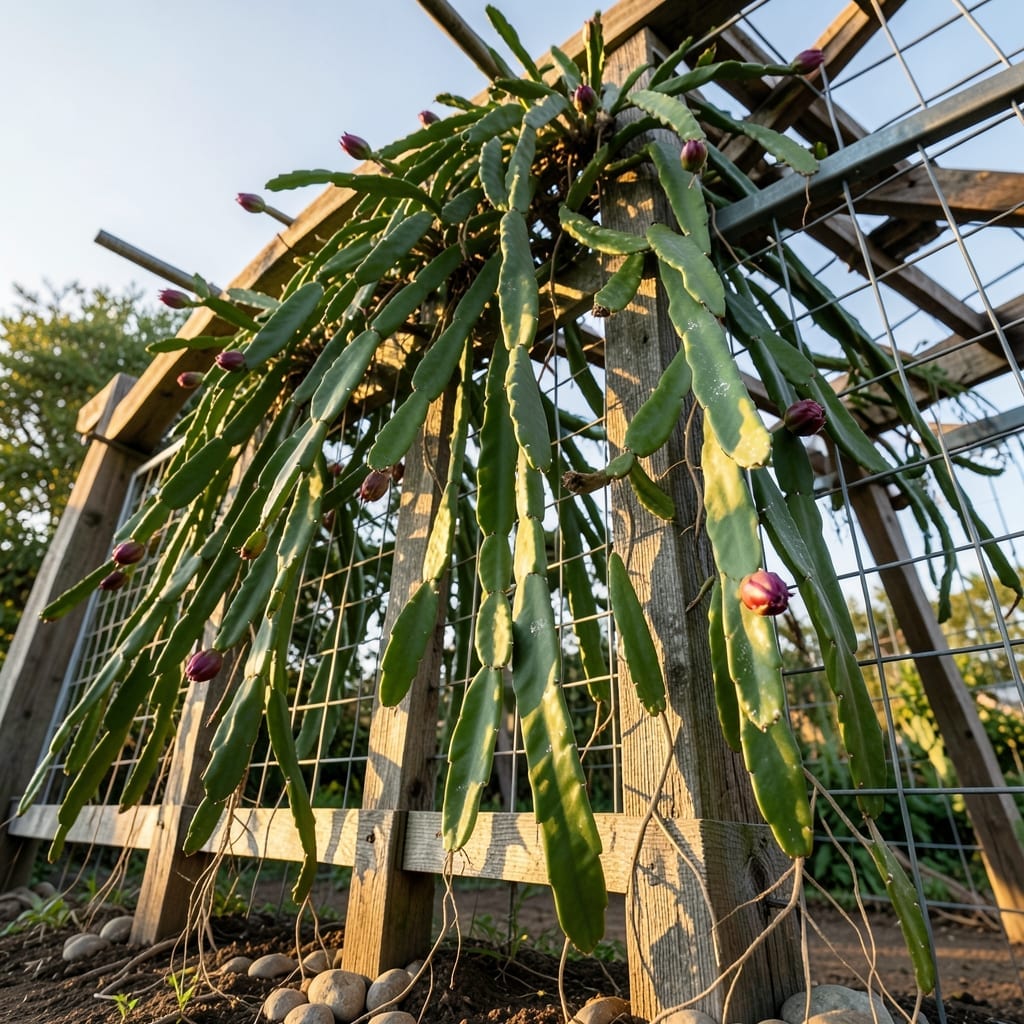
As your dragon fruit vines mature, they’ll need sturdy support to reach their full potential. This climbing cactus isn’t shy—its vines can stretch over 20 feet in the right conditions, but they’ll flop without proper guidance.
Install a tall trellis, sturdy stakes, or even a repurposed cattle panel arch to keep vines upright. This not only saves space but also improves air circulation, reducing disease risk and making future harvests easier to manage.
Perfect for gardeners with limited ground space, vertical growth lets you maximize yields while adding a striking tropical element to your landscape. 🌿
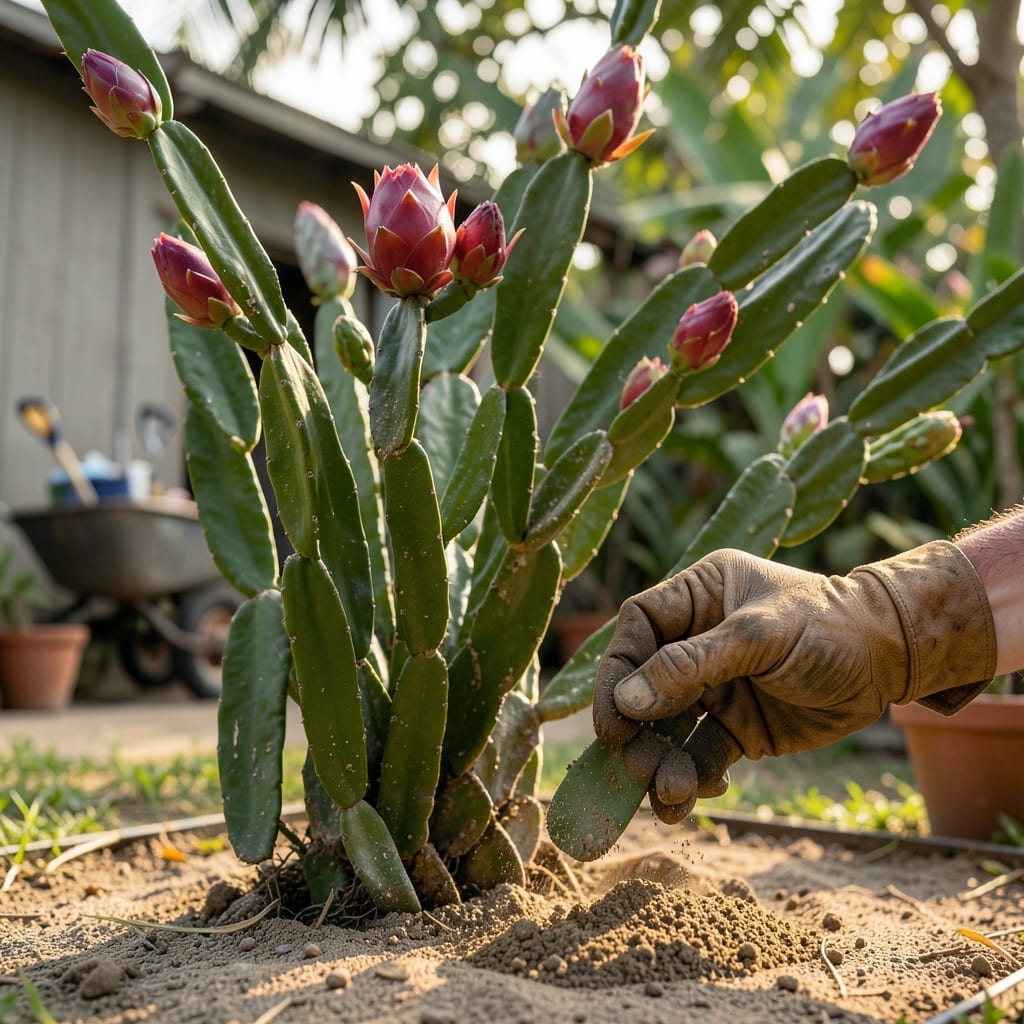
To get the most fruit from your dragon fruit plant, you’ll need to rethink your fertilizer strategy. High-nitrogen formulas will give you lush leaves but few flowers or fruit, which defeats the purpose of growing this tropical treasure.
Switch to a balanced, low-nitrogen fertilizer (like a 5-5-5 or 2-7-7 blend) to encourage flowering and fruiting. Apply it every 4-6 weeks during the growing season, but ease off in winter when the plant rests. This shift tells your plant to focus energy on fruit production rather than foliage.
This approach is perfect for gardeners who want to maximize their harvest and enjoy the sweet rewards of their efforts. 🌱