
Beautiful Plants For Your Interior
Beautiful Plants For Your Interior
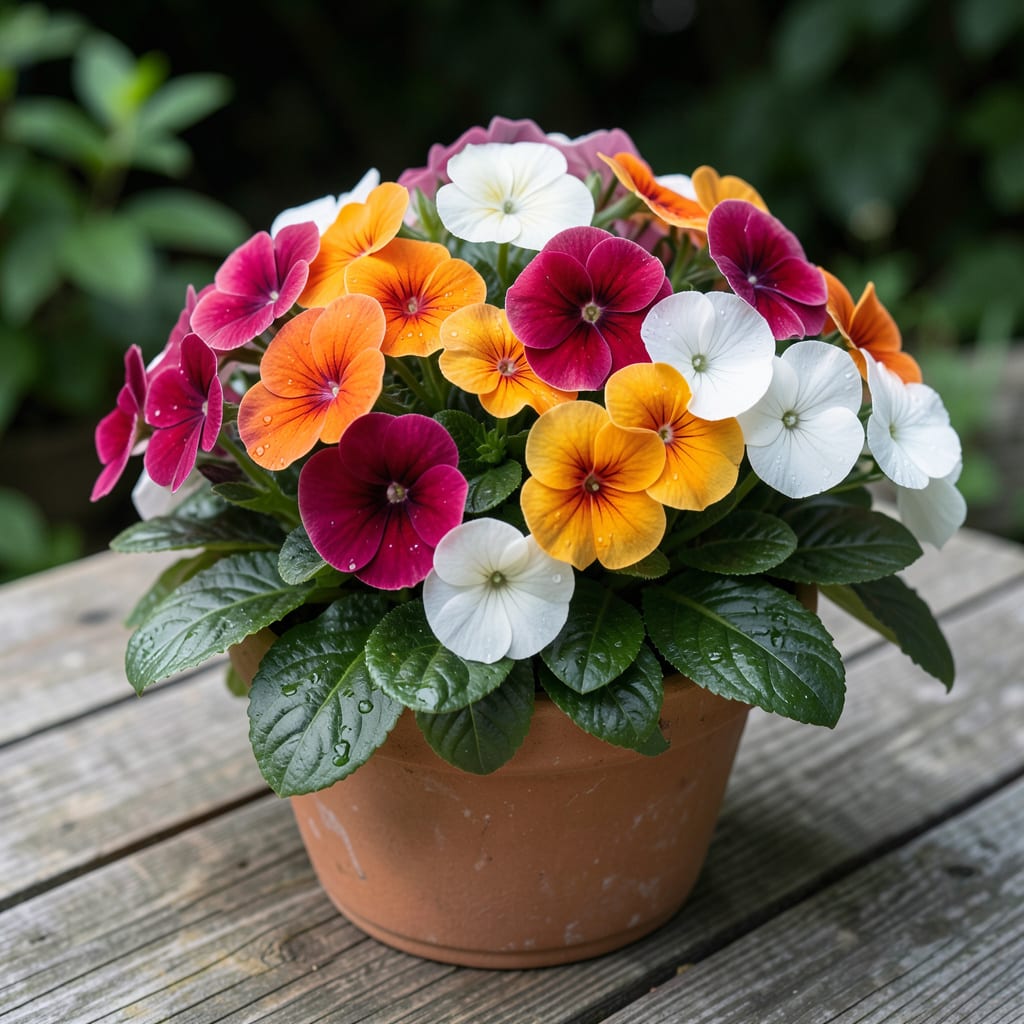
I lost my first impatiens to downy mildew in 2 weeks. White fuzz on leaves, then bare stems—devastating. Resistant varieties changed everything for me.
These tougher plants look identical to classic impatiens but shrug off the fungal spores that wipe out regular beds. No special sprays, no constant vigilance. Just season-long color that actually lasts.
You’ll get the same vibrant blooms in pink, white, and red, but with foliage that stays healthy even in humid weather. They thrive in the same shady spots where standard impatiens fail.
Perfect for gardeners who want reliable color without the heartbreak. Here’s what works.
Downy mildew in impatiens is primarily driven by environmental and biological factors. Understanding these causes helps gardeners prevent outbreaks and protect their plants. Below are the key triggers:
The fungus Plasmopara obducens thrives in damp conditions. Overhead watering, poor drainage, or high humidity (above 85%) create the perfect breeding ground. Water droplets on leaves provide the moisture needed for spores to germinate and infect tissue.
Downy mildew flourishes in temperatures between 60–75°F (15–24°C). Cool nights combined with warm days accelerate spore production and spread. This is why outbreaks often spike in spring and fall.
Poor air circulation traps humidity around foliage, increasing infection risk. Dense plantings also make it easier for spores to jump from leaf to leaf via wind or splashing water.
The pathogen can overwinter in soil or plant debris, surviving harsh conditions as dormant oospores. When conditions improve, these spores reactivate, infecting new growth. Contaminated tools or pots can also spread the fungus.
Traditional impatiens (Impatiens walleriana) lack genetic resistance, making them highly vulnerable. Without resistant traits, even minor exposure can lead to rapid disease progression.
If your impatiens are showing signs of downy mildew, don’t panic—there are effective ways to tackle it and restore your garden’s beauty. Below are practical solutions for common causes, along with prevention tips to keep your plants thriving.
Downy mildew thrives in wet conditions. If your impatiens are in a soggy spot, relocate them to an area with better drainage or amend the soil with compost to enhance water flow. Prevention tip: 💡 Water at the base of the plant in the morning to allow foliage to dry quickly.
Poor air circulation invites fungal growth. Space your impatiens 12–18 inches apart to ensure proper airflow. If they’re already planted too closely, prune back some stems to open up the canopy. Prevention tip: ✨ Avoid over-fertilizing, which can lead to dense, susceptible growth.
At the first sign of yellowing leaves or white fungal growth, remove affected foliage immediately and discard it (do not compost). For mild cases, apply a copper-based fungicide or neem oil. For severe infections, replace with downy mildew-resistant impatiens varieties like ‘Imara XDR’ or ‘Beacon’. Prevention tip: 🎯 Rotate plantings yearly to disrupt fungal cycles.
High humidity is a major trigger. Use a fan to improve air movement in greenhouses or shaded areas. In outdoor beds, choose sunnier spots or plant in hanging baskets for better airflow. Prevention tip: 🌡️ Monitor humidity levels and water only when the top inch of soil is dry.
By addressing these common issues and staying proactive, you can enjoy lush, downy mildew-free impatiens all season long!
They’re bred to fight off the fungus naturally. You’ll see the same vibrant blooms, but the leaves stay healthy even in wet, humid conditions where regular types fail.
No extra steps required. Plant them in the same shady spots, water at the base, and space 12–18 inches apart for airflow. They thrive with standard impatiens care.
Avoid mixing them. Regular impatiens can still spread spores to resistant ones in close proximity. Keep them separated by at least 3 feet for best results.
You’ll find all the classic shades: pink, white, red, orange, and lavender. Some series like ‘Imara XDR’ offer bicolor options too.
