
Beautiful Plants For Your Interior
Beautiful Plants For Your Interior
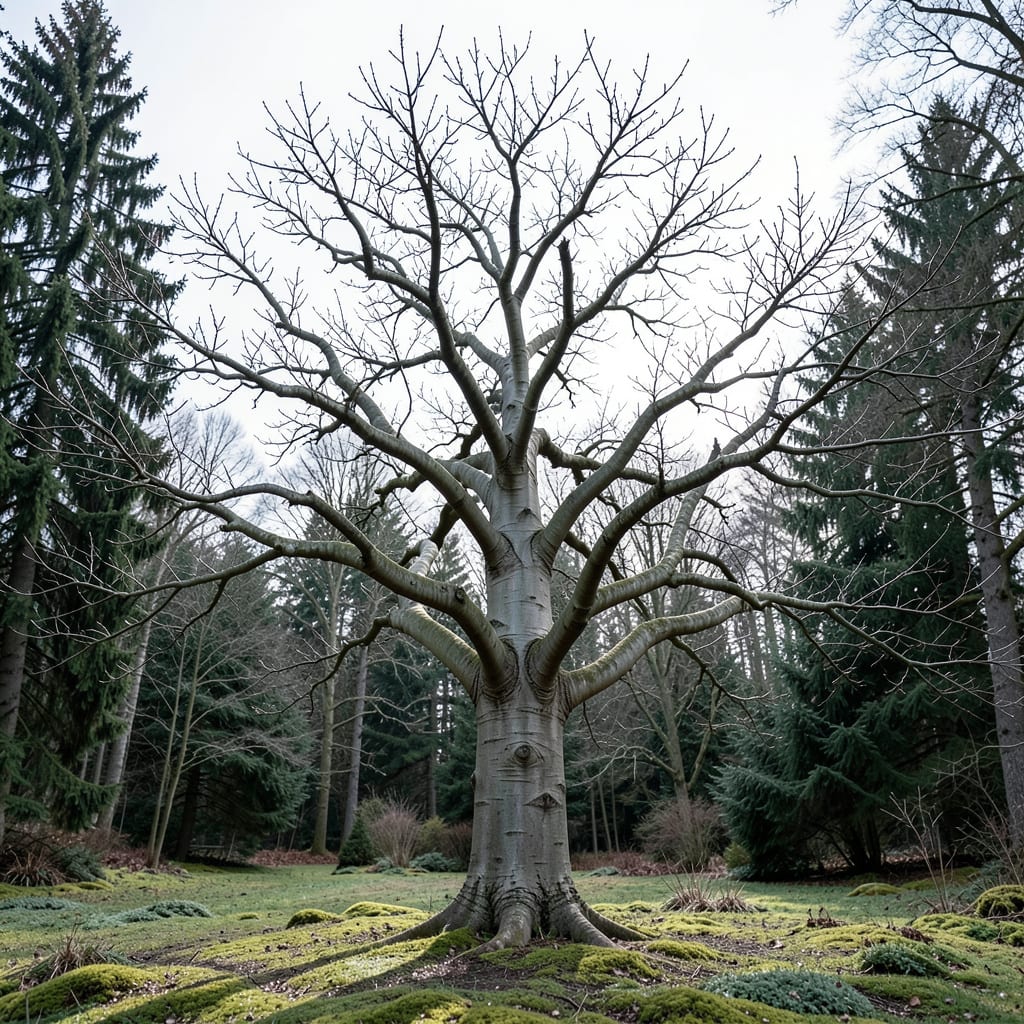
Seeing your dogwood tree without leaves is alarming, but it’s often fixable. I’ve dealt with this myself, and most cases come down to stress, disease, or timing.
The good news is that dogwoods are resilient. With the right diagnosis, you can usually restore its health. We’ll figure out what’s going on and how to bring those leaves back.
📚 In This Guide
Here’s my trusted method for identifying why your tree looks bare and how to bring it back.
Dogwoods naturally lose leaves in fall and winter, so first confirm you’re not looking at normal dormancy. In late October through March, bare branches are completely expected. Even in early spring, some varieties leaf out later than others—my Kousa dogwood often stays bare until mid-April.
If it’s May or later and your tree still has no leaves, that’s your signal something’s wrong. Note the exact timing—this helps narrow down environmental versus health issues. A dogwood without leaves by late spring is always worth investigating further.
Scratch a small section of bark on several branches using your fingernail or a pocket knife. Healthy wood will show green tissue beneath the bark. Brown or gray indicates that branch is dead. I check at least three different spots on the tree—sometimes only one branch has died back.
If you find green tissue but no leaves, the tree may be suffering from stress or disease. Dead branches throughout the canopy often point to winter damage, while isolated dead sections might indicate pest infestation or physical injury. This simple test takes 30 seconds but reveals critical information.
Look closely at the bark and any remaining leaves for signs of trouble. Dogwood anthracnose creates purple-bordered leaf spots before defoliation, while twig borers leave tiny 1/8-inch holes in branches. I’ve found that a hand lens helps spot early infestations you might otherwise miss.
Check the base of the tree for sawdust-like frass, which indicates active borers. Fungal diseases often appear after periods of wet weather. If you see cankers (sunken, dead areas on the bark), that’s a red flag for serious fungal infection that requires immediate attention.
Dogwoods need partial shade and consistently moist, well-draining soil. Full sun exposure, especially in hot climates, can scorch leaves and lead to defoliation. I once lost a flowering dogwood that was getting 8+ hours of direct sun daily—it simply couldn’t handle the heat.
Check soil moisture by digging 4-6 inches deep near the root zone. If it’s bone dry or waterlogged, you’ve found your problem. Also consider recent changes—new construction, grade alterations, or even a new sidewalk can damage roots and cause leaf loss within 1-2 seasons.
For dead branches, prune them back to living wood using clean, sharp tools. Make cuts at a 45-degree angle just above a healthy bud. I always sterilize my pruners with rubbing alcohol between cuts to prevent spreading disease.
If pests are present, treat with appropriate horticultural oil or insecticide following label instructions. For fungal issues, improve air circulation and consider fungicide applications. Water deeply once weekly during dry spells, providing 1-2 inches of water at the base. Most dogwoods recover within 4-6 weeks once the underlying issue is addressed.
These practical insights will help you accurately assess your tree’s condition and take the right action.
Seasonal Awareness: Dogwoods naturally lose leaves in fall and winter, so bare branches from October through March are normal. Even in early spring, some varieties like my Kousa dogwood may stay bare until mid-April. If it’s May or later and your tree still has no leaves, that’s your signal to investigate further.
Quick Vitality Check: The scratch test in Step 2 takes just 30 seconds but reveals everything. Healthy wood shows green tissue beneath the bark, while brown or gray means that branch is dead. I always check at least three different spots on the tree to get a complete picture.
Environmental Clues: In Step 4, remember that dogwoods need partial shade and consistently moist, well-draining soil. If your tree is getting 8+ hours of direct sun daily, that could be scorch the leaves. Also, check soil moisture 4-6 inches deep near the root zone—bone dry or waterlogged soil often explains the problem.
Recovery Timeline: Once you’ve addressed the underlying issue in Step 5, most dogwoods recover within 4-6 weeks. Be patient and consistent with your care, whether that’s pruning dead branches, treating pests, or adjusting watering practices.
Why is my dogwood tree not growing leaves?
Common causes include stress from extreme weather, disease (like anthracnose), or poor soil conditions. Check for pests, fungal issues, or improper watering. A soil test can help identify nutrient deficiencies.
Healthy dogwoods typically leaf out in early spring. If your tree is bare by late May, investigate potential issues like root damage or disease. Dormancy in winter is normal—wait until spring to assess.
Yes! With proper care, many dogwoods rebound. Address the root cause (e.g., watering, pests, or disease), prune dead branches, and ensure good drainage. Young trees often recover faster than mature ones.
Consider disease-resistant varieties like Cornus kousa or Cornus florida ‘Appalachian Spring.’ For different aesthetics, try serviceberry or redbud trees, which thrive in similar conditions.
