
Beautiful Plants For Your Interior
Beautiful Plants For Your Interior
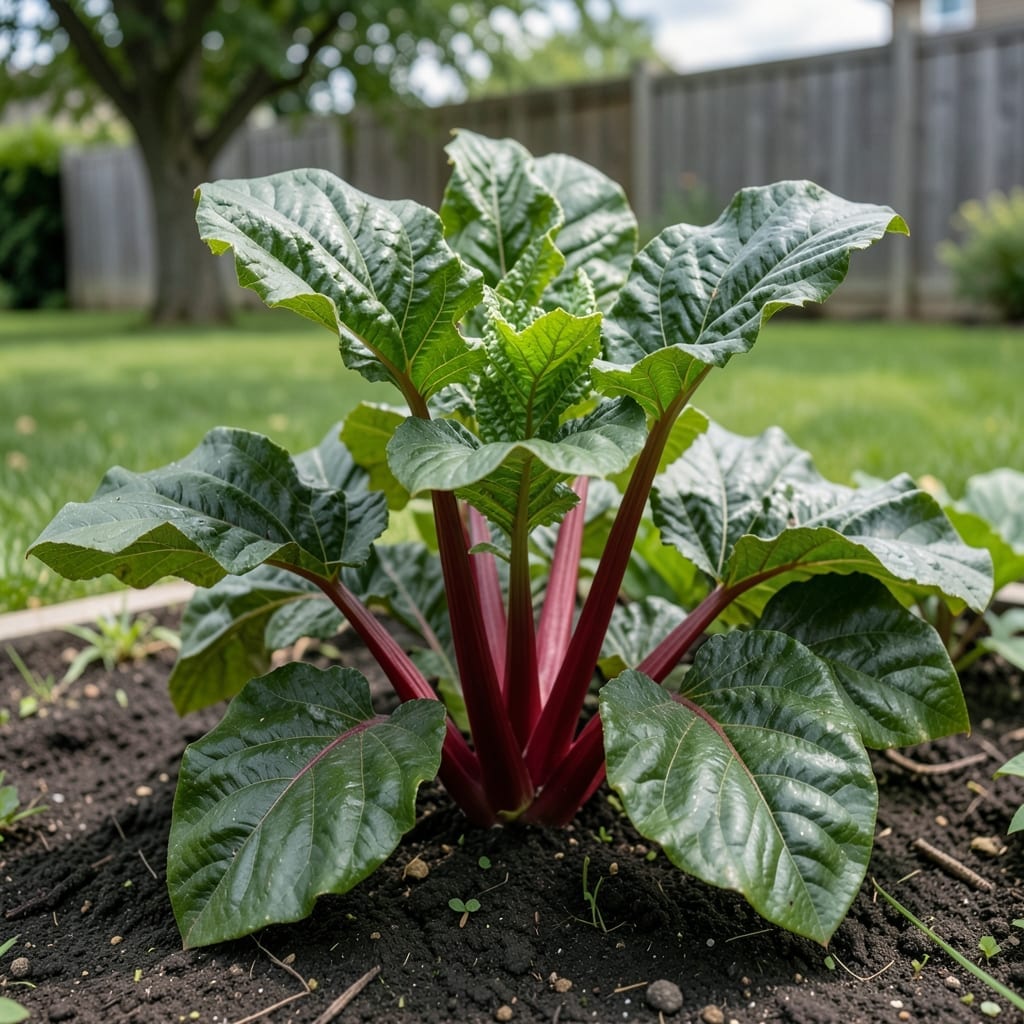
If you’ve ever grown 🌱 Rhubarb and wondered why its stalks aren’t as thick and vibrant as you’d hoped, sunlight might be the culprit. This hardy plant has specific needs when it comes to light exposure, and getting it right can make all the difference.
I’ve seen firsthand how the wrong amount of sun can leave rhubarb looking sad and stunted. But with the right approach, you can create conditions that encourage healthy growth and bountiful harvests year after year.
Whether you’re planting in the ground or containers, understanding rhubarb’s preferences is the key to success. Let me walk you through what works best for this popular garden favorite.
You’ll discover how to spot the signs of too much or too little light, and more importantly, how to fix it. Let’s get your rhubarb thriving in no time.

I’ve found that rhubarb thrives in full sun, but it’s more nuanced than just plopping it in the brightest spot. This hardy perennial needs 6+ hours of direct sunlight daily for the healthiest stalks and most abundant harvests. ☀️
In my experience, morning sun is especially beneficial, as it dries dew quickly, reducing fungal disease risks. However, rhubarb can tolerate partial shade, particularly in hotter climates where afternoon sun can scorch leaves.
| Requirement | Specification |
|---|---|
| Ideal Sunlight | 6+ hours daily |
| Minimum Sunlight | 4-5 hours |
| Best Sun Exposure | Morning to midday |
| Shade Tolerance | Moderate (afternoon shade in hot climates) |
| USDA Zones | 3-8 |
In cooler regions like USDA zones 3-5, I always recommend full sun exposure to maximize growth. The plant’s large leaves act as solar panels, soaking up energy to produce those tart, vibrant stalks we love.
For gardeners in warmer zones 6-8, I’ve seen rhubarb benefit from afternoon shade, especially during heatwaves. The leaves can wilt or develop brown edges if exposed to intense, direct sunlight for too long.
I’ve noticed that young rhubarb plants are particularly sensitive to sun stress. During their first year, I give them dappled shade or protect them with shade cloth during peak afternoon hours.
Soil moisture plays a role too. In full sun locations, I
If you’re growing rhubarb in containers, I recommend placing them where they can get morning sun and afternoon shade. Pots can heat up quickly, stressing the roots if exposed to full sun all day.
One thing I’ve learned: rhubarb is adaptable. While it prefers full sun, it will still produce in partial shade, though the stalks may be thinner and less vigorous. The trade-off is worth it in scorching climates.
For the best results, I plant rhubarb in a south-facing bed where it gets uninterrupted sunlight until at least noon. This setup has given me the thickest, most flavorful stalks year after year. 🌱
I’ve noticed that when rhubarb plants get insufficient light, they send clear distress signals. Thin, spindly stalks and pale leaves are the first red flags. Your plant may also grow leggy and weak, struggling to produce its usual vibrant color.
Another common sign is slow growth or a lack of new shoots. If your rhubarb isn’t producing the thick, firm stalks it’s known for, it’s likely craving more sunlight. Don’t ignore these clues—they’re your plant’s way of asking for help.
If you see these issues, start by checking your garden’s sun exposure. Rhubarb thrives with 6+ hours of direct sunlight daily. Use a sunlight calculator app to track how much light your patch receives.
For partial shade fixes, try pruning nearby plants to reduce competition. In extreme cases, consider relocating your rhubarb to a sunnier spot. I’ve moved mine before, and the difference in stalk thickness was noticeable within weeks.
Remember that morning sun is gentler than harsh afternoon rays. If your garden gets intense midday heat, a bit of dappled shade can actually protect your plants from sunburned leaves. Balance is key.
Finally, pair sunlight adjustments with consistent watering and rich soil. A happy rhubarb plant in the right light will reward you with years of bountiful harvests. Trust me, it’s worth the effort! 🌱