
Beautiful Plants For Your Interior
Beautiful Plants For Your Interior
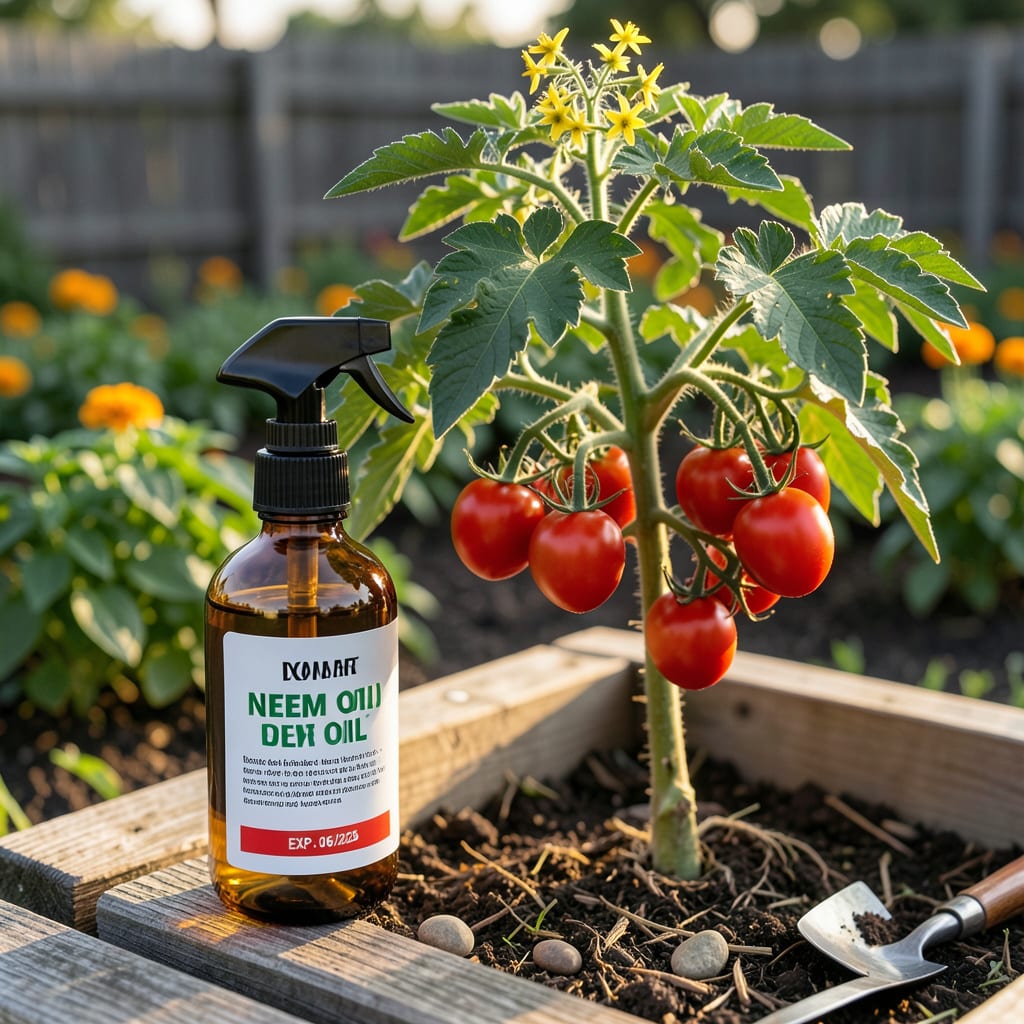
Yes, neem oil expires after 1-2 years when unopened, or 6-12 months once opened. Proper storage in a cool, dark place extends its shelf life, but expired oil loses potency and may develop rancid odors.
This natural pesticide breaks down faster than synthetic alternatives because its active compounds—like azadirachtin—are sensitive to light, heat, and oxygen. 🔥 I’ve noticed that even unopened bottles can degrade prematurely if left in hot garages or sunny windowsills. The real kicker? Once opened, oxidation accelerates dramatically, which is why I always recommend transferring leftover oil to smaller amber glass bottles with tight seals to minimize air exposure.
What many don’t realize is that expired neem oil doesn’t just become ineffective—it can actually harm plants by clogging stomata or attracting pests with its altered scent. ✨ That’s why I test old batches by dabbing a cotton ball with the oil and checking for sour, paint-like odors before use. The color shift from golden yellow to murky brown is another dead giveaway that the oil’s protective properties have faded.
💡 In This Article
The degradation process begins the moment neem oil is extracted. The primary active compound, azadirachtin, is highly sensitive to environmental factors. When exposed to oxygen, this compound undergoes oxidation—a chemical reaction that breaks down its molecular structure. Think of it like how apple slices turn brown when left in the air.
🔥 The oil’s protective properties diminish as azadirachtin converts into less effective byproducts.
Light accelerates this breakdown dramatically. UV rays trigger photodegradation, where light energy disrupts the oil’s chemical bonds. Studies show that neem oil stored in clear containers loses 30-40% of its potency within just 3 months of sunlight exposure. Temperature plays an equally critical role—every 18°F (10°C) increase above room temperature doubles the degradation rate.
This is why garages and sheds (which often reach 100°F+ in summer) are the worst places to store it.
Moisture introduces another layer of complexity. Water molecules catalyze hydrolysis reactions that split the oil’s fatty acid chains. You’ll first notice this as cloudiness in the oil, followed by a rancid smell reminiscent of old paint or varnish.
The texture also changes—fresh neem oil has a smooth, slightly viscous consistency, while degraded oil becomes either watery or gummy. These transformations aren’t just cosmetic; they indicate the oil’s pesticidal and fungicidal properties have weakened significantly.
Here’s what’s happening at the microscopic level: The oil’s triglyceride molecules are breaking apart. Fresh neem oil contains about 80% triglycerides, but as it ages, this percentage drops as free fatty acids form. These acids are what create that sharp, unpleasant odor.
The color shift from golden yellow to dark brown occurs as pigments oxidize—similar to how avocado turns brown when exposed to air. This color change correlates directly with reduced effectiveness against pests and fungi.
The container matters more than most realize. Plastic bottles, especially those not rated for essential oils, can leach chemicals into the neem oil that accelerate degradation. I’ve seen cases where oil stored in PET plastic developed a chemical odor within months.
Glass, particularly amber or cobalt blue, provides the best protection by blocking 95% of UV light. Even the bottle’s headspace (the air gap above the oil) affects longevity—less air means slower oxidation.
What surprises many is that neem oil can actually become harmful when expired. The degraded compounds can clog plant stomata (the pores plants use to breathe), leading to leaf burn or stunted growth.
Some gardeners report that old neem oil attracts more pests than it repels, likely because the altered scent profile mimics distress signals from plants. This is why I always recommend the cotton ball test: if the oil smells sour or acrid, it’s time to replace it—no matter what the label says. ✨
Check for three key signs: a rancid, paint-like odor, a color shift from golden yellow to murky brown, or a texture that’s either gummy or watery. Fresh neem oil has a nutty, earthy scent and smooth consistency.
Storing it in the fridge at 50-70°F (10-21°C) slows degradation significantly. Just let it warm to room temperature before use, as cold oil can separate. This method adds 3-6 months to its usable life.
It’s risky. Expired oil loses effectiveness and may harm plants by clogging their pores or attracting pests. If it smells sour or looks cloudy, it’s safer to dispose of it properly rather than risk damaging your garden.
Amber or cobalt blue glass bottles are ideal—they block 95% of UV light. Avoid plastic, which can leach chemicals. Smaller containers minimize air exposure when you open them repeatedly.
Mix only what you’ll use within 8 hours. The water in the mixture accelerates breakdown. For best results, prepare fresh batches daily and store concentrated oil separately in ideal conditions.
