
Beautiful Plants For Your Interior
Beautiful Plants For Your Interior
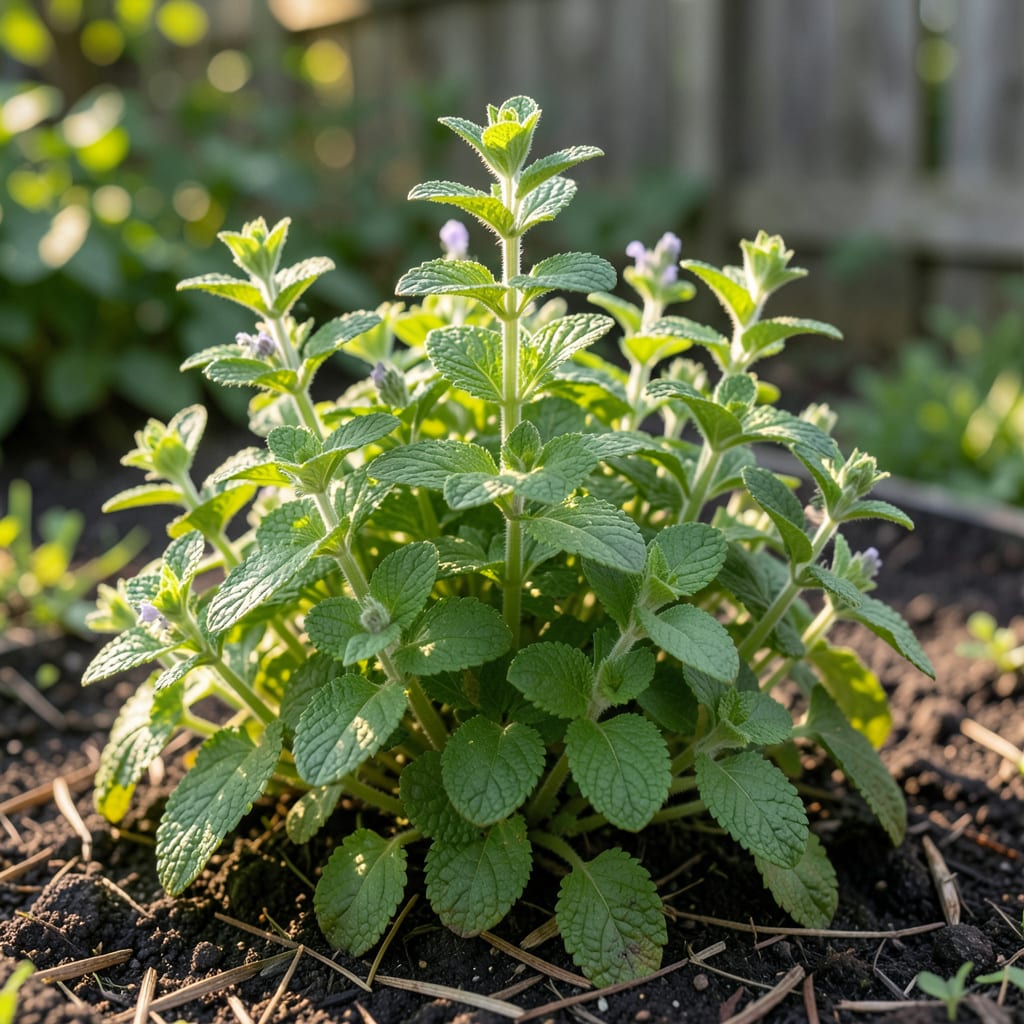
Yes, mint is a hardy perennial that regrows each spring from the same root system in most climates. It dies back in winter but returns vigorously once temperatures warm, often spreading wider than the previous year.
This resilience comes from mint’s underground runners, called rhizomes, which store energy during dormancy. 🌱 I’ve noticed that even after harsh winters, established plants bounce back faster than new seedlings—sometimes appearing weeks before other perennials. The key is proper winter preparation: a light mulch layer protects roots while allowing the soil to breathe, setting the stage for explosive spring growth.
💡 In This Article
Mint’s ability to return year after year comes from its underground network of rhizomes—thick, horizontal stems that store energy reserves. These rhizomes remain alive even when the aboveground foliage dies back in winter, acting like natural batteries that fuel new growth.
When soil temperatures reach about 50°F (10°C) in spring, the rhizomes send up fresh shoots, often appearing before many other garden plants. This survival strategy is why mint thrives in USDA zones 3-11, bouncing back reliably even after freezing winters. 🌱
The regrowth process begins with hormonal signals triggered by warming soil. The rhizomes produce auxins, plant hormones that stimulate cell division at the growing tips. Within weeks, you’ll see purple-tinged stems pushing through the soil, followed by the familiar crinkled leaves.
What’s fascinating is how mint’s rhizomes spread horizontally—each node can produce new shoots, which is why a single plant can expand 12-18 inches per year if left unchecked. This aggressive growth habit explains why gardeners often call mint “invasive.” ✨
During winter dormancy, the plant isn’t just waiting—it’s conserving energy. The rhizomes reduce metabolic activity but maintain enough cellular function to survive freezing temperatures down to -20°F (-29°C) in some varieties. I’ve observed that established mint patches (3+ years old) have thicker, more resilient rhizomes, which explains why they regrow faster than first-year plants.
The key difference between annuals and perennials like mint is this underground energy bank that persists through seasons. ⚡
Environmental cues play a huge role in timing. In my garden, mint typically reappears in early April when daytime temperatures consistently hit 55°F (13°C), but I’ve seen it emerge as early as March in milder climates.
The first shoots are often red or purple due to anthocyanin pigments that protect the tender new growth from UV damage. This color fades as the leaves mature and chlorophyll production ramps up. What’s remarkable is how quickly mint recovers—within 4-6 weeks, it can reach full height and be ready for harvesting. 💫
The plant’s vascular system also contributes to its hardiness. Mint develops extensive root networks that can access water and nutrients from a wide area, which helps it recover quickly from stress. Unlike annual herbs that must grow from seed each year, mint’s existing root structure gives it a massive head start.
This is why even severely cut-back plants will regrow from the base—those rhizomes are packed with growth potential waiting for the right conditions. 🌿
One often overlooked factor is how mint’s essential oils influence its regrowth. The same compounds that give mint its signature aroma (like menthol and menthone) also have antimicrobial properties that protect the dormant rhizomes from soil-borne pathogens during winter.
This natural defense system helps ensure that when spring arrives, the plant has the resources to launch new growth without competition from decay organisms. It’s a brilliant survival adaptation that makes mint one of the most reliable perennials for gardeners. 💛
Mint typically reappears within 2-4 weeks after soil temperatures reach 50°F (10°C). The first purple-tinged shoots emerge quickly, with full leaf growth following in about 4-6 weeks. Established plants often regrow faster than new seedlings.
Yes, but containers need extra protection. Move pots to a sheltered location like an unheated garage, and water sparingly—just enough to prevent soil from drying completely. Add 2-3 inches of mulch on top for insulation.
Common reasons include extreme cold without mulch, overly wet soil causing root rot, or pruning too early in fall. Check if roots are still firm—if they’re mushy, the plant likely didn’t survive.
Remove half the winter mulch when shoots appear to warm the soil faster. Mix in 1 inch of compost for nutrients. Avoid heavy fertilizers until new growth reaches 2-3 inches tall.
The underground rhizomes expand annually, often spreading 12-18 inches per year. Divide roots every 2-3 years in spring to control growth and rejuvenate the plant.
