
Beautiful Plants For Your Interior
Beautiful Plants For Your Interior
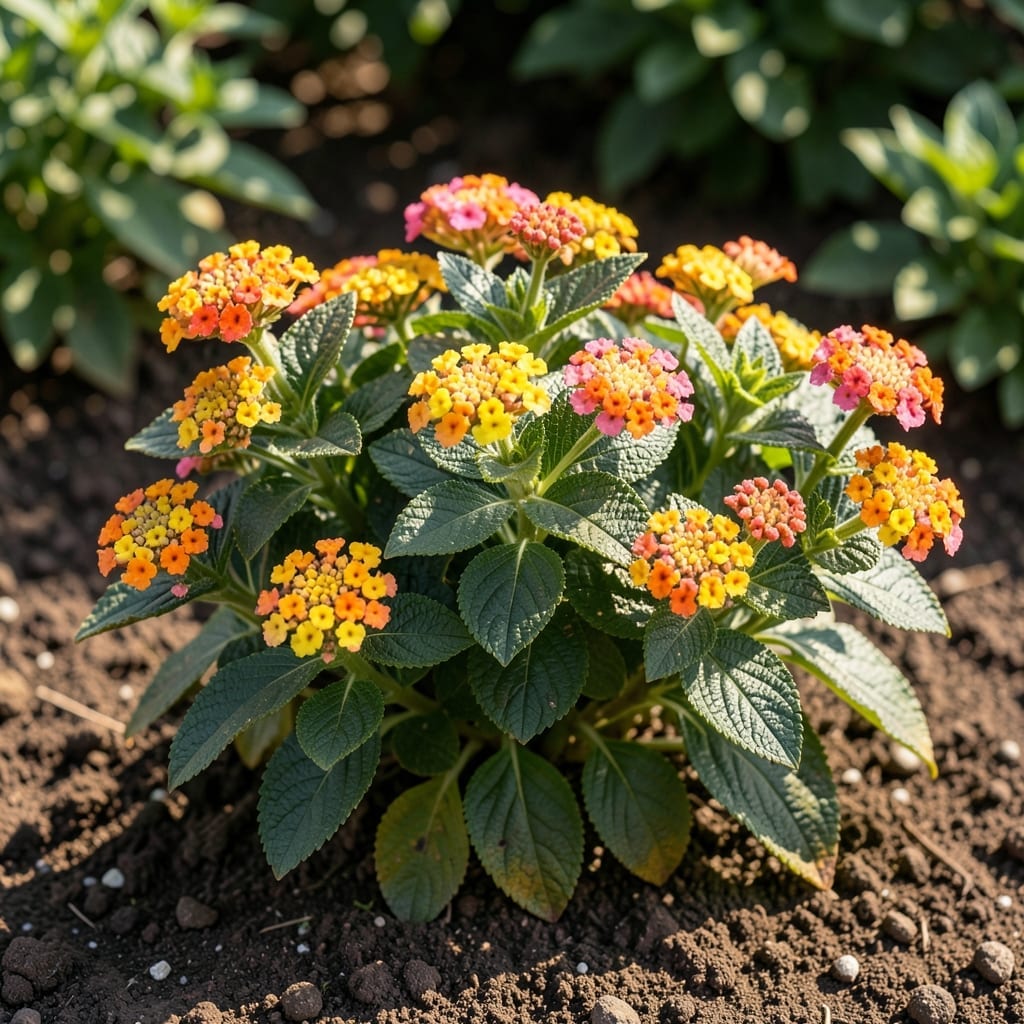
Lantana’s vibrant blooms can transform any garden, but their sun needs often puzzle growers. Getting the light right is the key to those lush, colorful clusters all season.
I’ve seen 🌸 Lantana thrive in full sun and struggle in shade, so let’s clear up the confusion. These hardy plants have specific preferences that make all the difference.
You’ll discover exactly how much sunlight they require daily and how to adjust for your climate. Let’s get your garden glowing.

If you want vibrant lantana blooms, sunlight is non-negotiable. These tropical natives thrive in full sun, meaning they need at least 6-8 hours of direct sunlight daily.
In my experience, lantana planted in full sun exposure produces the most abundant flowers and maintains compact, healthy foliage. Less light often leads to leggy growth and fewer blooms.
| Requirement | Specification |
|---|---|
| Ideal Sunlight | 6-8 hours daily |
| Light Type | Direct sun |
| Minimum Sun | 4-6 hours (reduced blooms) |
| Shade Tolerance | Low (leggy growth) |
Lantana’s natural habitat is in sunny, open areas, which explains its love for bright conditions. In USDA zones 7-11, it can handle intense summer sun without wilting.
For best results, plant lantana in a south-facing spot where it gets unfiltered sunlight from morning to late afternoon. This mimics its native environment.
If your garden has partial shade, expect fewer flowers and taller, spindly stems. The plant will survive but won’t reach its full potential without ample sun.
In hotter climates, like the desert Southwest, lantana can handle full sun all day. However, in extreme heat, a bit of afternoon shade can prevent stress.
For container-grown lantana, place pots where they get maximum sunlight. Rotate them occasionally to ensure even growth on all sides.
Microclimates matter too. A spot near a reflective wall or pavement can increase light intensity, which lantana loves.
Watch for signs of insufficient light, like pale leaves or sparse blooming. If you notice these, consider relocating your lantana to a sunnier spot.
With the right sunlight, your lantana will reward you with continuous blooms from spring until frost. It’s a small effort for a big payoff in color and vibrancy ☀️
While lantana loves full sun, it can tolerate some shade, though with compromises. In my garden tests, 4-6 hours of sunlight yields fewer blooms but keeps the plant alive.
You’ll notice leggy stems and sparse flowers in shadier spots. The plant stretches toward light, sacrificing its compact shape and vibrant color.
I’ve found some shade-tolerant varieties like ‘New Gold’ or ‘White’ perform better in partial shade. Even then, they bloom less than in full sun conditions.
To improve results in shade, ensure well-draining soil and avoid overwatering. Use reflective mulches to maximize available light for your lantana.
Watch for yellowing leaves or stunted growth—these are clear signs your lantana needs more light. Consider pruning back leggy stems to encourage bushier growth.
For containers, move pots to sunnier spots as the day progresses. This mimics natural light movement and helps your lantana thrive even in less-than-ideal conditions 🌿