
Beautiful Plants For Your Interior
Beautiful Plants For Your Interior
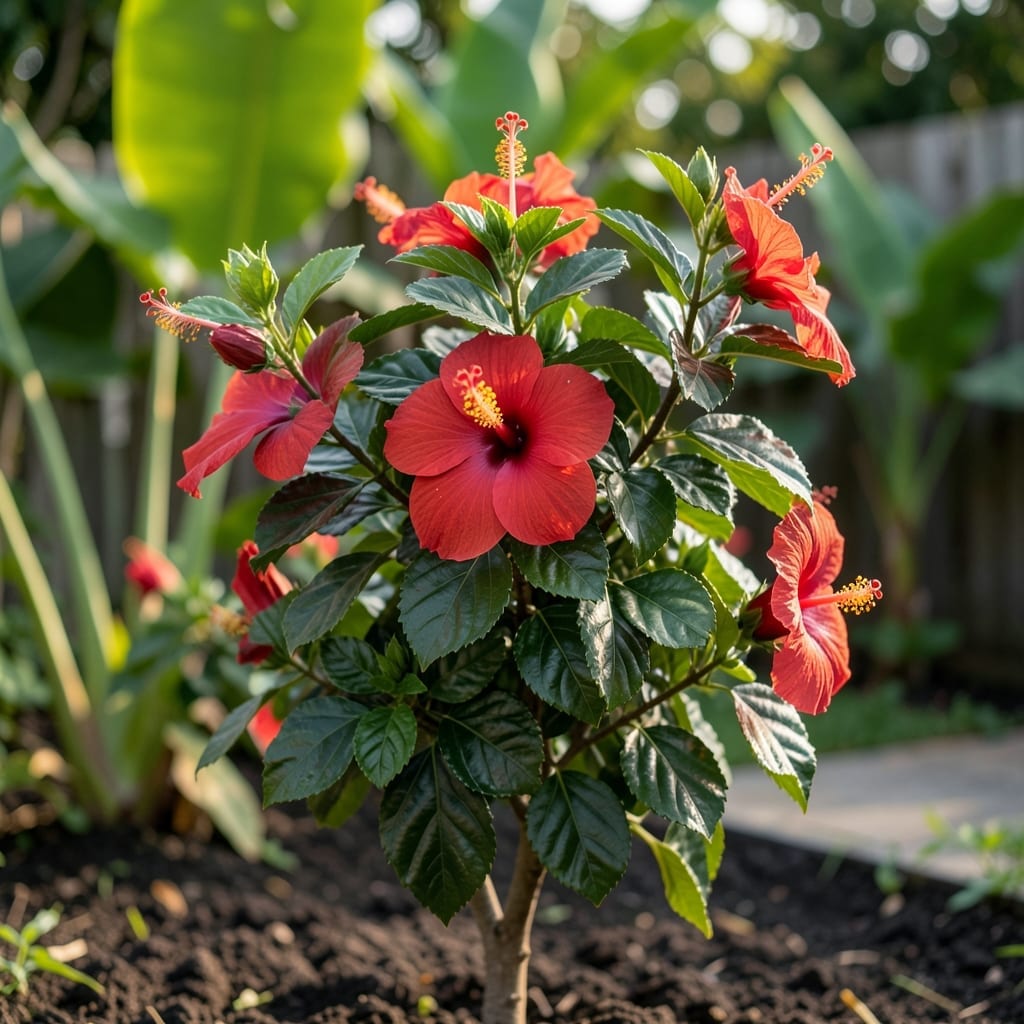
If your 🌺 Hibiscus isn’t blooming like it should, sunlight might be the missing piece. These vibrant plants can transform any garden, but getting their light exposure right is crucial for those stunning flowers.
I’ve seen too many gardeners struggle with wilting or lackluster blooms simply because they misjudged the sun needs. The good news? It’s an easy fix once you know the basics.
Discover how much sun your Hibiscus truly needs and how to provide the perfect conditions for those show-stopping summer displays.

If you’re growing hibiscus, understanding its light needs is key to vibrant blooms. Most tropical hibiscus varieties thrive in full sun, meaning 6+ hours of direct sunlight daily. However, they can tolerate partial shade, especially in hotter climates.
On the other hand, hardy hibiscus (like Hibiscus moscheutos) also loves full sun but can handle a bit more shade than its tropical cousin. Both types need bright light to produce their iconic, colorful flowers.
| Hibiscus Type | Ideal Sun Exposure | Shade Tolerance |
|---|---|---|
| Tropical Hibiscus | 6+ hours direct sun | Moderate |
| Hardy Hibiscus | 6+ hours direct sun | Good |
| Dwarf Varieties | 4-6 hours direct sun | High |
I’ve noticed that hibiscus in full sun often produces more flowers, but the blooms may be smaller. In partial shade, the flowers might be larger but fewer in number. It’s all about balancing light and your plant’s specific needs.
Watch for leaf scorch if your hibiscus gets too much intense afternoon sun, especially in USDA zones 9-11. This is common in areas with extreme heat. Providing some dappled shade during peak hours can prevent this issue.
For container-grown hibiscus, I recommend placing pots where they get morning sun and afternoon shade. This setup reduces stress from harsh sunlight while still meeting their light requirements.
If your hibiscus isn’t blooming, check its light exposure first. Insufficient light is a common reason for poor flowering. Move it to a sunnier spot and monitor the changes over a few weeks.
Soil moisture plays a big role too. Hibiscus in full sun needs consistent watering to prevent the soil from drying out. Mulching around the base helps retain moisture and keeps roots cool.
In my experience, young hibiscus plants benefit from a bit of shade as they establish. Once they’re mature, they can handle more direct sunlight. This gradual introduction helps them acclimate without stress.
Remember, seasonal changes affect light intensity. In summer, even shade-loving hibiscus can often tolerate more sun. In winter, ensure they still get enough light, especially if grown indoors.
With the right balance, your hibiscus will reward you with bold, beautiful blooms all season long ☀️
To get the most from your hibiscus, I recommend adjusting light exposure based on the season. In summer, when the sun is strongest, provide morning sun and afternoon shade to prevent heat stress while still promoting blooms.
For container-grown hibiscus, move pots to follow the sun. A south-facing location works best, but rotate pots weekly to ensure even growth and prevent the plant from leaning toward the light.
If you notice yellowing leaves or wilting, your hibiscus might be getting too much direct sun. Try moving it to a spot with dappled shade or use a sheer curtain to filter the light.
In cooler climates, max out sunlight exposure. Place hibiscus in the sunniest spot available, as they’ll need all the warmth they can get to thrive and produce those iconic vibrant blooms.
Don’t forget that indoor hibiscus needs bright, indirect light. A south-facing window is perfect, but supplement with grow lights if natural light is insufficient, especially in winter.
Finally, remember that consistency is key. Avoid sudden changes in light conditions, as this can stress your hibiscus. Gradual adjustments will keep your plant happy and blooming beautifully 🌺