
Beautiful Plants For Your Interior
Beautiful Plants For Your Interior
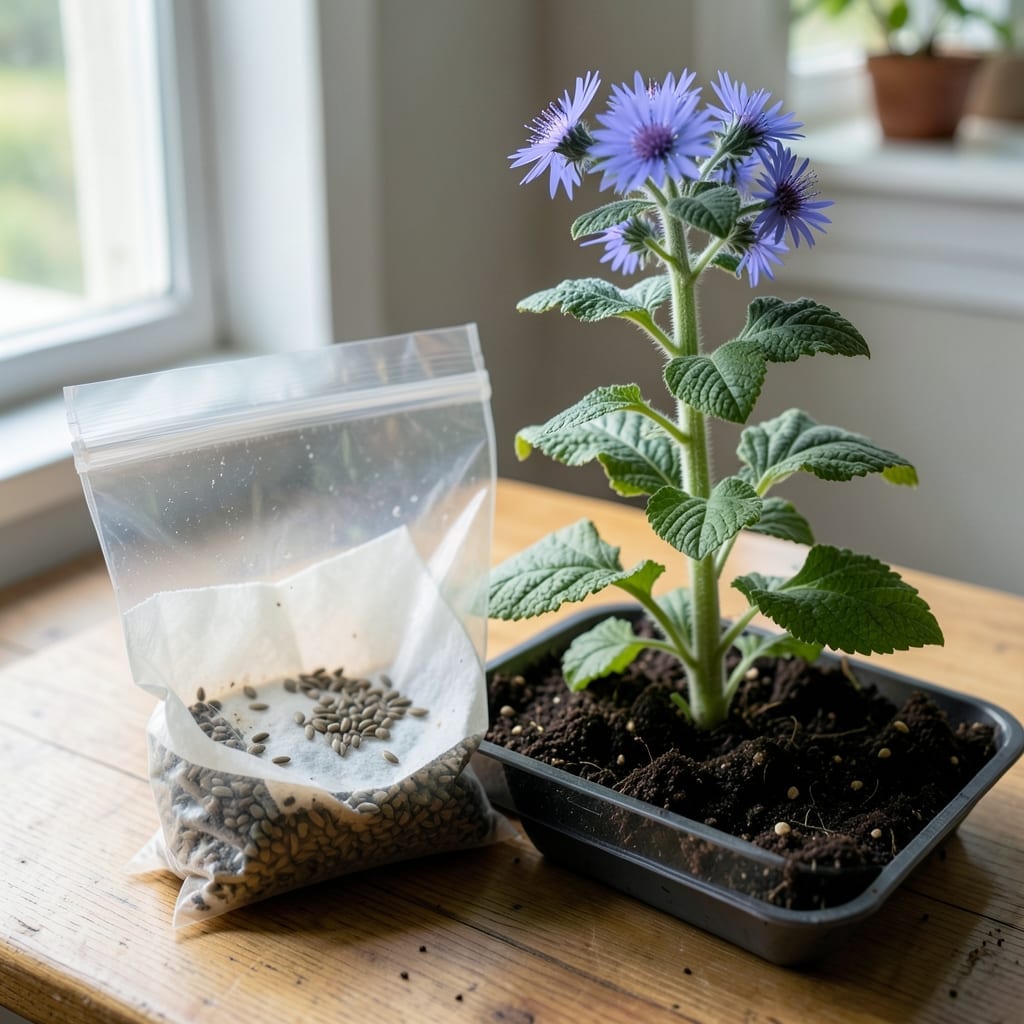
Borage seeds can test your patience with their slow germination. Many gardeners wonder if cold stratification is the missing key to success.
The 🌸 Borage plant thrives in Zone 6, but its seeds often need a little help to break dormancy. This simple pre-treatment might transform your sparse patch into a vibrant, flourishing display.
Let me show you exactly how this process works and why it could be a game-changer for your spring garden. You’ll discover the science behind it and practical tips to try at home.
If you’ve struggled with slow-sprouting borage seeds, you’re not alone. This herbaceous annual has a reputation for being stubborn to germinate, often leaving gardeners frustrated.
Cold stratification mimics winter conditions to break seed dormancy. For Borage officinalis, this process can be a game-changer, especially in cooler climates like Zone 6. 🌱
🌱 Key Takeaway
While not strictly required, cold stratification significantly improves borage seed germination rates. It helps break the hard seed coat and triggers natural growth processes.
The science behind this is fascinating. In nature, borage seeds often experience a winter chill before sprouting in spring. This cold period softens the seed coat and signals the embryo that conditions are right for growth.
Research shows that 4-6 weeks of cold treatment at 35-40°F can boost germination from 50% to 80-90%. That’s a dramatic improvement for such a simple process!
I’ve found that older seeds particularly benefit from stratification. Fresh seeds might sprout without it, but if you’re working with last year’s stash, cold treatment can make all the difference.
In my Zone 6 garden, I’ve had success with both stratified and non-stratified seeds. However, the stratified ones always sprout faster and more uniformly, giving me a stronger start to the growing season.
Remember that borage is self-seeding. Once established, it often reseeds itself naturally. The seeds that fall in autumn will typically experience natural stratification over winter, leading to volunteer plants in spring. 🌿
For gardeners in warmer climates (Zones 7-9), cold stratification becomes less critical. The mild winters may provide enough natural chilling. But if you’re in a colder region, don’t skip this step if you want reliable results.
If you’re short on time, there are alternatives. Light scarification with sandpaper or soaking in warm water can also help. But for the most consistent results, I always recommend the cold treatment method. ✂️
If you’re ready to try cold stratification for your borage seeds, the process is simple. I recommend starting 4-6 weeks before your last frost date for best results.
The most reliable method is the refrigerator technique. Place seeds between damp paper towels in a sealed bag, then store at 35-40°F for 30-45 days. 🌱
🌿 Step-by-Step Stratification
An alternative is direct soil stratification. Sow seeds in pots with moist soil, cover with plastic, and refrigerate. This mimics natural conditions more closely.
Some gardeners prefer the outdoor method. Plant seeds in fall and let winter temperatures do the work. This works well in Zone 6 and similar climates.
I always check my seeds weekly during stratification. If they start sprouting early, I move them to cool light to prevent leggy growth. Temperature consistency is key.
After stratification, plant seeds ¼ inch deep in well-draining soil. Keep the soil evenly moist but not soggy for best germination results. ✂️