
Beautiful Plants For Your Interior
Beautiful Plants For Your Interior
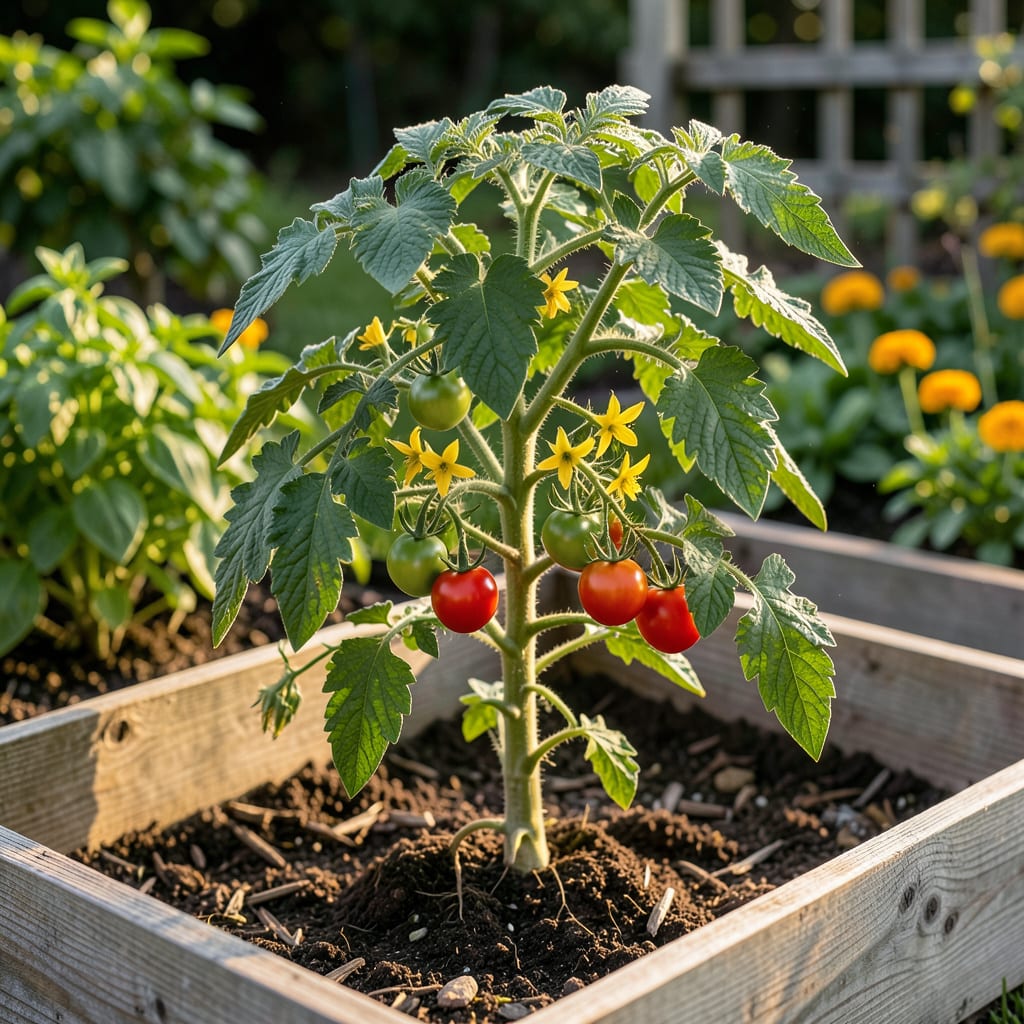
Neem oil should primarily be sprayed on plant leaves—both tops and undersides—for pest control, but light soil application can help prevent fungal growth. Never oversaturate the soil, as roots may absorb too much oil.
I always recommend focusing on foliage first because that’s where most pests like aphids and spider mites feed. 🌿 The oil’s active compounds work best when they coat the surfaces insects come into contact with. For soil applications, think of it as a preventive measure—it can help suppress fungal spores before they reach the plant. Just remember that roots are sensitive, so I use a much weaker solution (about 1 teaspoon per gallon of water) for soil drenches compared to foliar sprays.
💡 In This Article
Neem oil’s effectiveness comes from its active compound azadirachtin, which works differently depending on where you apply it. When sprayed on leaves, it acts as a contact pesticide—disrupting insects’ feeding and reproductive cycles on contact. The oil coats the leaf surfaces, creating a barrier that pests like aphids and whiteflies can’t penetrate.
This is why thorough coverage, especially on leaf undersides where pests hide, is crucial for maximum impact. 🌱
On leaves, neem oil also interferes with insects’ hormonal systems, preventing larvae from maturing. Studies show that foliar applications can reduce pest populations by up to 80% within 3-5 days when applied correctly. The oil’s bitter taste acts as an antifeedant, making treated plants unappetizing to pests.
Unlike synthetic pesticides, neem breaks down quickly in sunlight (48-72 hours), so reapplication every 7-14 days maintains protection without residue buildup.
Soil applications work through a different mechanism—systemic absorption. When diluted neem oil is applied to soil, plant roots take up the azadirachtin, making the entire plant less attractive to pests from within. This method is particularly effective against root-feeding nematodes and fungal pathogens like Pythium and Rhizoctonia.
However, soil absorption is much slower, taking 5-7 days to become effective, compared to immediate action with foliar sprays.
The key difference lies in absorption rates. Leaves absorb neem oil within 24 hours, while soil applications may take a week to show results. Soil drenches use about 1/4 the concentration of foliar sprays (1 tsp per gallon vs 1 tbsp per gallon) to prevent root damage.
Overapplication to soil can lead to phytotoxicity, as roots absorb oil differently than foliage. 💧
For fungal prevention, soil applications create a protective zone around roots. The oil’s antifungal properties inhibit spore germination in the soil before pathogens can infect the plant.
This is why I recommend soil drenches as a preventive measure rather than a treatment—it’s much harder to eliminate established fungal colonies than to prevent them from taking hold in the first place.
Environmental factors play a big role in effectiveness. Foliar sprays work best in 60-80°F temperatures with 40-60% humidity, while soil applications perform consistently across a wider range of conditions. The oil’s systemic effects in soil last longer (2-3 weeks) than foliar applications, making it ideal for long-term pest management strategies.
Remember that neem oil’s effectiveness depends on proper application timing. Foliar sprays should go on in early morning or late evening to avoid leaf burn from sun-oil combinations. Soil applications work best when the soil is moist but not waterlogged, allowing even distribution through the root zone without suffocating plant roots. ✨
For active pest control, focus on foliar sprays every 7-10 days until the issue resolves. Add a soil drench every 4-6 weeks for systemic protection. This combination prevents resistance buildup while covering all pest entry points.
Overconcentration is the #1 error! Using full-strength oil burns leaves and suffocates roots. Always dilute—1 tbsp/gallon for leaves, 1 tsp/gallon for soil. Also, spraying in direct sunlight causes leaf burn. Early morning applications work best.
Stop applications 1-2 weeks before harvest for leafy greens, 3 days for fruits. Neem breaks down quickly but has a bitter taste. Wash produce thoroughly with 1 part vinegar to 3 parts water to remove any residue.
This usually indicates either concentration was too strong or you sprayed stressed plants. Yellowing leaves suggest root absorption issues from soil overapplication. Flush soil with water and reduce concentration by half next time.
Yes! Combine with 1 tsp baking soda per gallon for enhanced fungal protection, or a few drops of peppermint oil to repel flying insects. Always test mixtures on a small area first to check for plant sensitivity.
