
Beautiful Plants For Your Interior
Beautiful Plants For Your Interior
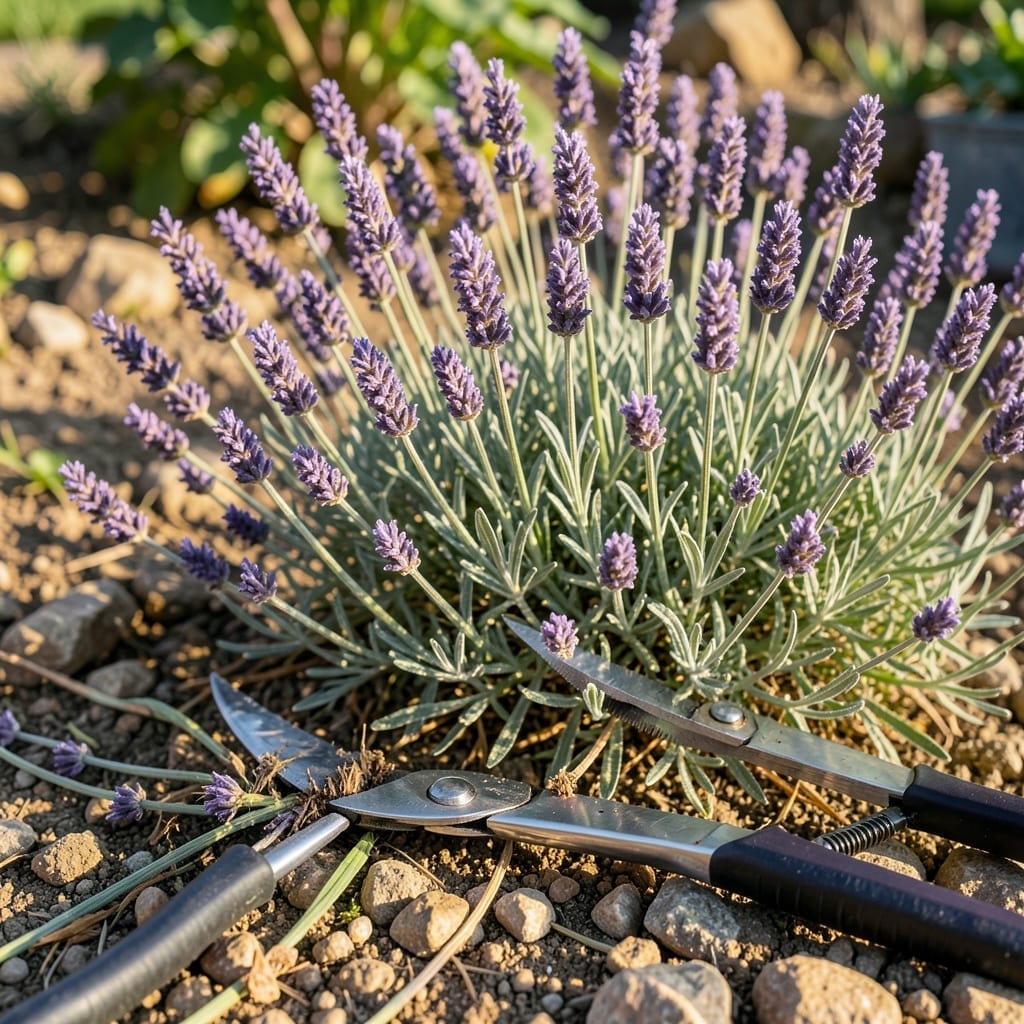
There’s nothing quite like the sight of 🟣 Lavender in full bloom, but did you know a simple trick can keep those purple flowers coming all season? Deadheading might sound intimidating, but it’s actually the easiest way to give your plants a second wind.
I used to wonder if I was doing more harm than good when I started snipping away. Turns out, with the right approach, you’ll encourage more blooms and keep your Lavender looking its best.
Discover how this quick task can transform your garden. Let me walk you through everything you need to know to do it properly.
If you love the sight of purple lavender blooms in your garden, deadheading is your best friend. This simple process removes faded flowers to encourage the plant to produce more.
By cutting back spent blooms, you prevent seed formation, which signals the plant to redirect its energy toward new growth and additional flowers. It’s like giving your lavender a second wind! ✂️
🌿 Key Takeaway:
Deadheading lavender plants keeps them blooming longer by preventing seed production and promoting new flower growth. This simple task also maintains the plant’s neat appearance and overall health.
Deadheading isn’t just about looks—it also keeps your lavender plants healthy. Removing old blooms prevents the plant from wasting energy on seeds, which can weaken the stems over time.
I’ve noticed that my lavender bushes stay fuller and more vibrant when I deadhead regularly. It’s a small effort with big rewards, especially if you want continuous color in your garden.
Another benefit? Deadheading helps maintain the plant’s shape and prevents it from becoming leggy. This is especially important for English lavender, which can get unruly without proper care.
You’ll also find that deadheading reduces the risk of disease and pests. Faded flowers can attract unwanted visitors or harbor fungal growth, so removing them keeps your plants thriving.
Timing matters too. I recommend deadheading right after the first flush of blooms starts to fade, usually in early to mid-summer. This gives the plant enough time to produce a second round of flowers.
For best results, use sharp pruning shears or scissors to make clean cuts. Avoid tearing the stems, as this can cause damage and stress to the plant.
If you’re new to deadheading, don’t worry—it’s easier than it sounds. Just focus on removing the spent flower heads while leaving the green foliage intact. Your lavender will thank you with more blooms and a healthier appearance. 🌻
Deadheading lavender plants is simple once you know the right approach. The key is timing—wait until 70% of flowers on a stem have bloomed before making your cut. This ensures you don’t remove potential blooms too early.
I always use sharp bypass pruners for clean cuts that won’t crush the stems. Dull tools can damage the plant and invite disease, so keep them well-maintained. ✂️
🌿 Steps to Deadhead Lavender:
Never remove more than 1/3 of the plant at once, as this can stress the lavender. Focus on the outermost stems first, working your way inward for even shaping.
For English lavender, deadhead in late summer after the main bloom. Spanish lavender may need a second deadheading in fall if it reblooms.
After deadheading, I like to give my plants a light watering to help them recover. Avoid heavy fertilization, as lavender prefers lean soil conditions.
You’ll see new growth within 2-3 weeks if done correctly. This technique keeps plants compact and prevents them from becoming woody and leggy. 🌻