
Beautiful Plants For Your Interior
Beautiful Plants For Your Interior
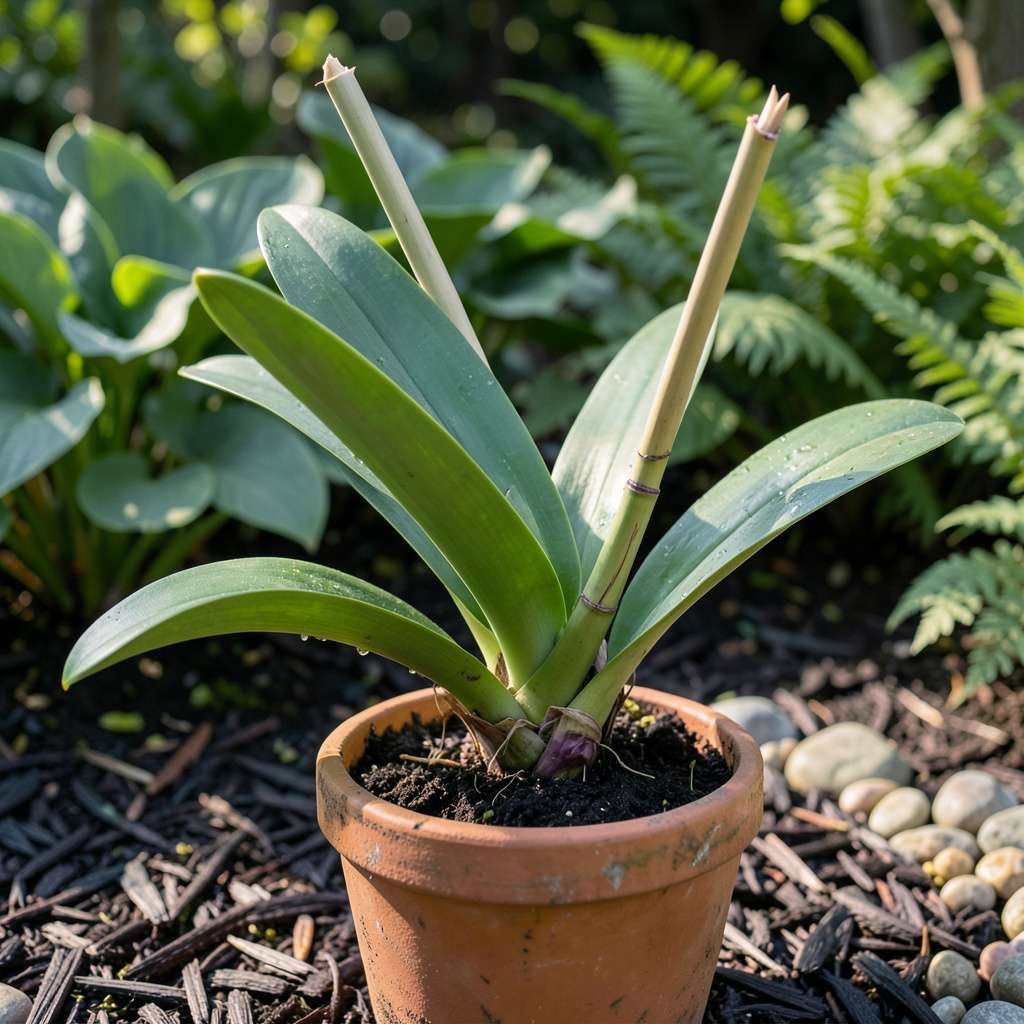
Yes, remove dead orchid stems to prevent disease and promote new growth. Cut at a 45-degree angle just above a node using sterile tools for healthy regrowth.
Removing dead stems is crucial for the overall health of orchids. 🌱 This process not only helps in preventing diseases that can spread from decaying parts but also encourages the plant to focus its energy on new growth. By cutting just above a node, you stimulate the potential for new blooms, ensuring your orchid remains vibrant and thriving. Regular pruning can transform your plant care routine into a rewarding experience.
Additionally, using sterilized tools minimizes the risk of infection, promoting a healthier environment for your orchid to flourish. ✨
💡 In This Article
The process of cutting away dead stems from your orchid is vital for several reasons. First, it aids in disease prevention. Dead plant material can harbor fungi and bacteria, which may lead to infections that spread to healthy parts of the plant.
By removing these decaying sections, you mitigate the risk of such diseases taking hold. 🌱
Moreover, pruning stimulates the plant to redistribute its energy. When you cut the stem just above a node, it activates that node, encouraging new growth to emerge. This means your orchid can focus its resources on developing fresh blooms rather than wasting energy on dying parts. The result is a more vigorous and vibrant plant.
🔥
For practical application, it’s essential to use sterilized tools when pruning. This minimizes the risk of introducing pathogens into the plant. You can achieve sterilization using rubbing alcohol or a bleach solution. This step is crucial because even minor cuts can become entry points for disease-causing organisms. ✨
When deciding where to cut, look for a healthy node—usually a bump or a growth point on the stem. Cutting above this point maximizes the potential for new shoots to develop. If you cut too low or at an unhealthy section, you risk stunting the plant’s growth or causing further damage.
Always aim for a clean cut at a 45-degree angle to facilitate healing. 🌟
Additionally, consider the overall health of your orchid’s pseudobulbs. These swollen stems store energy and nutrients. Avoid cutting into these areas unless absolutely necessary, as they are critical for your plant’s well-being. Instead, focus on removing only those stems that are clearly dead or shriveled. This careful approach ensures your orchid thrives long-term. 💫
Finally, after pruning, provide your orchid with appropriate care to support recovery. This includes maintaining optimal humidity levels and ensuring proper light exposure. With good practices in place, your orchid will not only survive but flourish beautifully in your home! 🌼
